1. Check the label first
The manufacturer states on the label what the material can withstand. This takes precedence over any general advice, including this. The symbols are read as follows:
- Tub with a number: the highest washing temperature. A line under the tub means a gentle cycle, two lines mean a very gentle cycle.
- Tub with a hand: hand wash only.
- Crossed-out triangle: do not bleach.
- Square with a circle: tumble dryer. One dot means low heat, a crossed-out symbol prohibits tumble drying.
- Iron: dots indicate temperature, a crossed-out iron means do not iron.
2. Lower temperature
Functional synthetics (polyester, polyamide, elastane) are usually washed at 30 to 40 °C. Higher temperatures damage elastic fibres. The clothing then stretches and loses its shape. Even 30 °C will wash out standard dirt and sweat. Many washing machines have a cycle for sports or synthetic clothing, which is a good choice.
3. The right detergent, no fabric softener
- Detergent for functional clothing: washes out sweat and grease and leaves no residue on the fibres. Residues from standard powders clog the fabric structure that wicks away sweat. You will find suitable detergents in the detergents range.
- Less is more: dose according to the instructions, or rather less. What isn't rinsed out stays on the clothing.
- Never use fabric softener: it coats the fibres in a thin layer. A functional t-shirt will then stop wicking sweat and a membrane will stop breathing.
- No bleach or chlorine stain removers. They damage both fibres and colours.
4. Before you put it in the washing machine
- Turn clothing inside out. The outer side suffers less abrasion and prints last longer. Sweat and sebum are mainly on the inside, so they wash out better.
- Fasten zips and hook-and-loop fasteners. An open zip or hook-and-loop fastener will abrade and tear other items in the drum.
- Empty pockets and loosen cords and drawstrings.
- Wash functional items separately. Cotton and towels shed fibres that catch on synthetics and form bobbles. Jeans and workwear with metal parts, in turn, abrade the functional fabric.
- Do not overfill the drum. The clothing must move freely in the water, otherwise it won't rinse properly.
- Put delicate items into a laundry net.
5. How often to wash
- Sweaty synthetics (t-shirts, leggings, sports bras) are washed after every sports activity. Polyester holds odour, and the longer sweat stays in the fibres, the harder it is to wash out.
- Do not leave wet items in a bag. If you cannot wash them straight away, at least hang the clothing up and let it dry.
- Merino often just needs airing. It holds odour much less, and unnecessary washing wears the wool out.
- Sweatshirts, fleeces and trousers that do not sit directly on the body do not need washing after every wear.
- Membrane jackets, on the other hand, fear dirt more than washing. Sweat and grease clog the membrane, so wash them regularly.
When an odour has already settled into synthetics and standard washing doesn't help, soak the clothing for a few hours before washing in water with a sportswear detergent, or use a special odour remover for functional materials.
6. Drying
- Air drying: hang the clothing on a drying rack in a ventilated room or outside in the shade. Direct sunlight fades colours, and radiant heat from a radiator damages elastane.
- Dry wool flat. A wet woollen jumper or t-shirt will stretch on a hanger.
- Tumble dryer only according to the label. Elastane and wool usually cannot tolerate it.
- The exception is membranes and waterproofed jackets. For these, manufacturers often recommend tumble drying on a low heat, as the heat restores the waterproofing. This only applies if the label allows it.
- Do not iron functional synthetics or prints. The exception is again a membrane, which the manufacturer allows to be ironed on a low heat to restore the waterproofing.
7. By material
- Base layers (polyester, polypropylene) can handle washing at 30 to 40 °C and prohibit fabric softener. You can find the details in the article How to care for base layers.
- Merino wool is washed on a wool cycle, usually at 30 °C, in a wool detergent. Standard detergents contain enzymes that break down wool. Do not wring it by hand and dry it flat.
- Fleece is washed inside out on a gentle cycle, without fabric softener and separately from cotton. Slight bobbling over time is normal and does not reduce functionality.
- Membranes and softshells are washed in a liquid membrane detergent, usually up to 40 °C on a gentle cycle. A detailed guide is in the article How to properly care for membrane clothing?
- Down is washed in a down detergent and dried long and thoroughly, ideally in a tumble dryer on a low heat with tennis balls. We describe the process in the article How to wash a down sleeping bag. For a down jacket, it is exactly the same.
8. Waterproofing
Water should bead up and run off the fabric. If the fabric darkens on the surface and wets out in the rain, the waterproofing (DWR) has stopped working. First, try washing the jacket and heating it in the tumble dryer or with an iron according to the label, this is often enough. If the water still doesn't run off, restore the waterproofing with a wash-in product or a spray from the waterproofing range.
9. Shoes, backpacks and accessories
- Socks should be washed in the same way as base layers, without fabric softener. You will find more in the article Trekking socks.
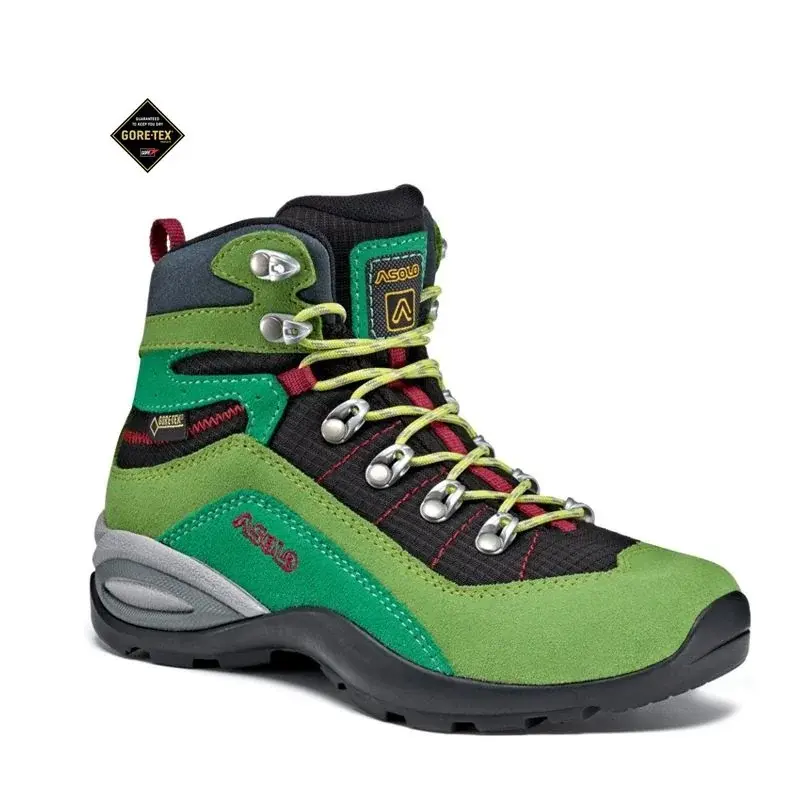
- Shoes do not usually belong in the washing machine. Clean them with a brush and water, let them air dry away from a radiator, and treat them with a product from the shoe care range. Leather shoes are described in the article How to care for ASOLO leather boots.
- Do not put a backpack in the washing machine either, as the reinforcement and coating would be damaged. You will find the procedure in the article How to care for your backpack.
- Beanies, headbands and gloves are washed according to the label, most often in the same way as base layers.
Range: detergents · waterproofing · shoe care · patches
Back to blog