
Ergon
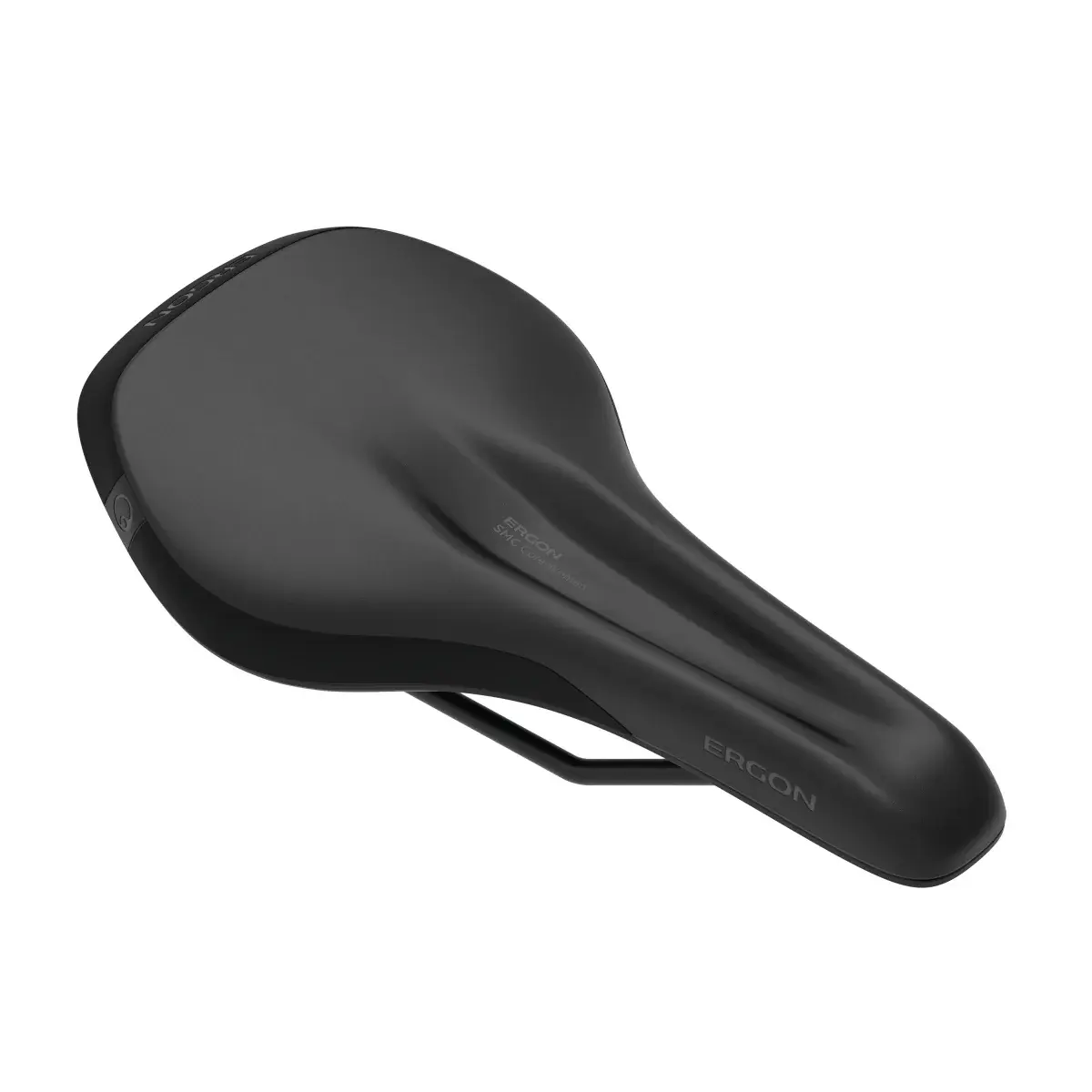
Men's bike saddle SM E-Mountain Core Prime
from €139.61
In stock Estimated delivery Thu, 26/11
A saddle is not chosen by softness, but by your sit bone width — they sit on the saddle and must have support.
A wide pelvis needs a wider saddle, otherwise the bones hang over the edge and the pressure goes into the soft tissues. A saddle that is too soft is paradoxically worse, because you sink into it and the pressure transfers elsewhere. A cut-out in the centre provides relief where numbness occurs. Your riding position also plays a role: the greater the forward lean, the narrower and flatter the saddle that usually fits.
You might be interested in: Inner tubes and tubeless, Bike tyres, Grips and bar tape, Bike pedals, , Wheels, Handlebars, Stems, Bike brakes
Ergon
Men's bike saddle SM E-Mountain Core Prime
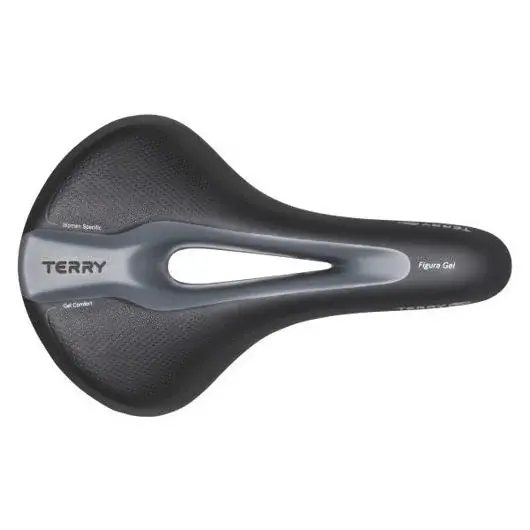
Terry
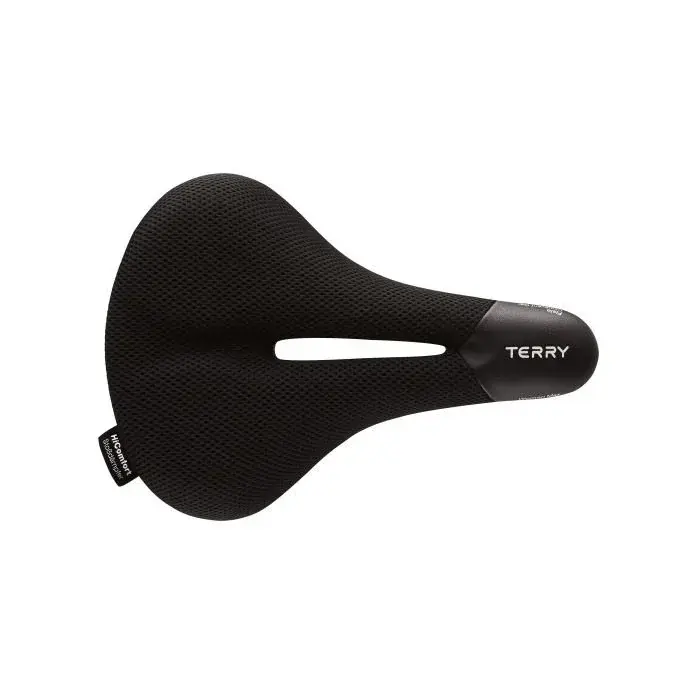
Terry
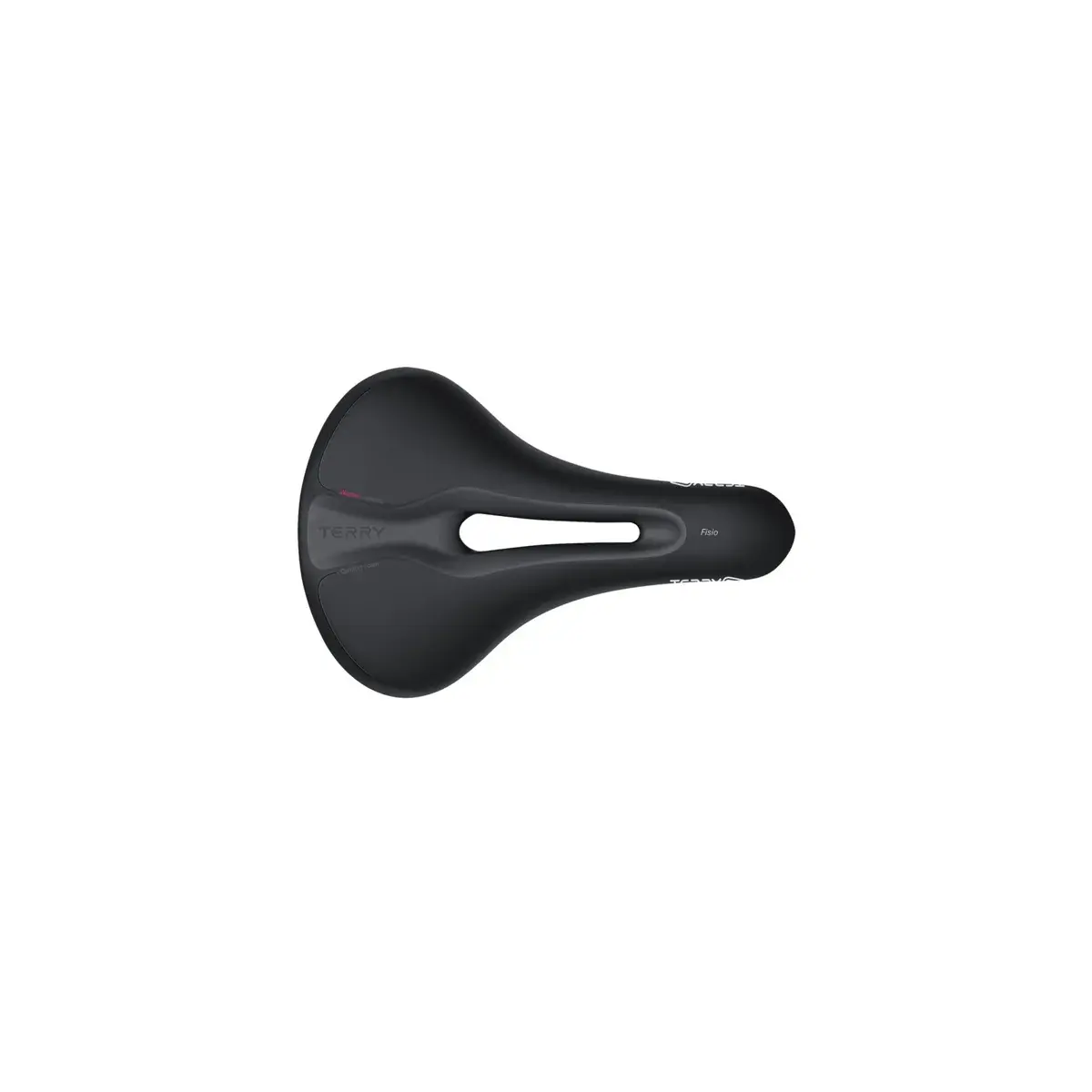
Saddle Fisio Climavent Women Max
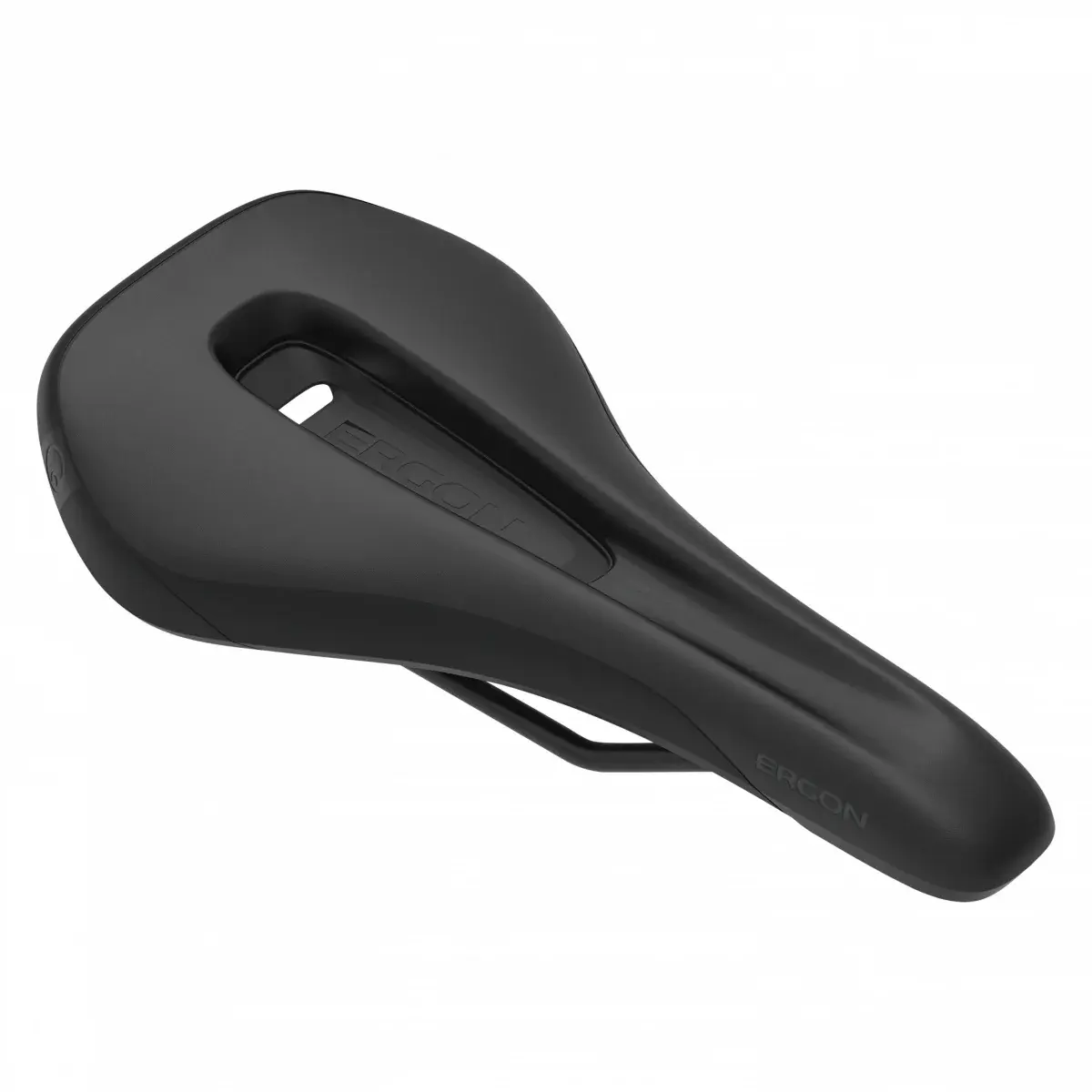
Ergon

Ergon
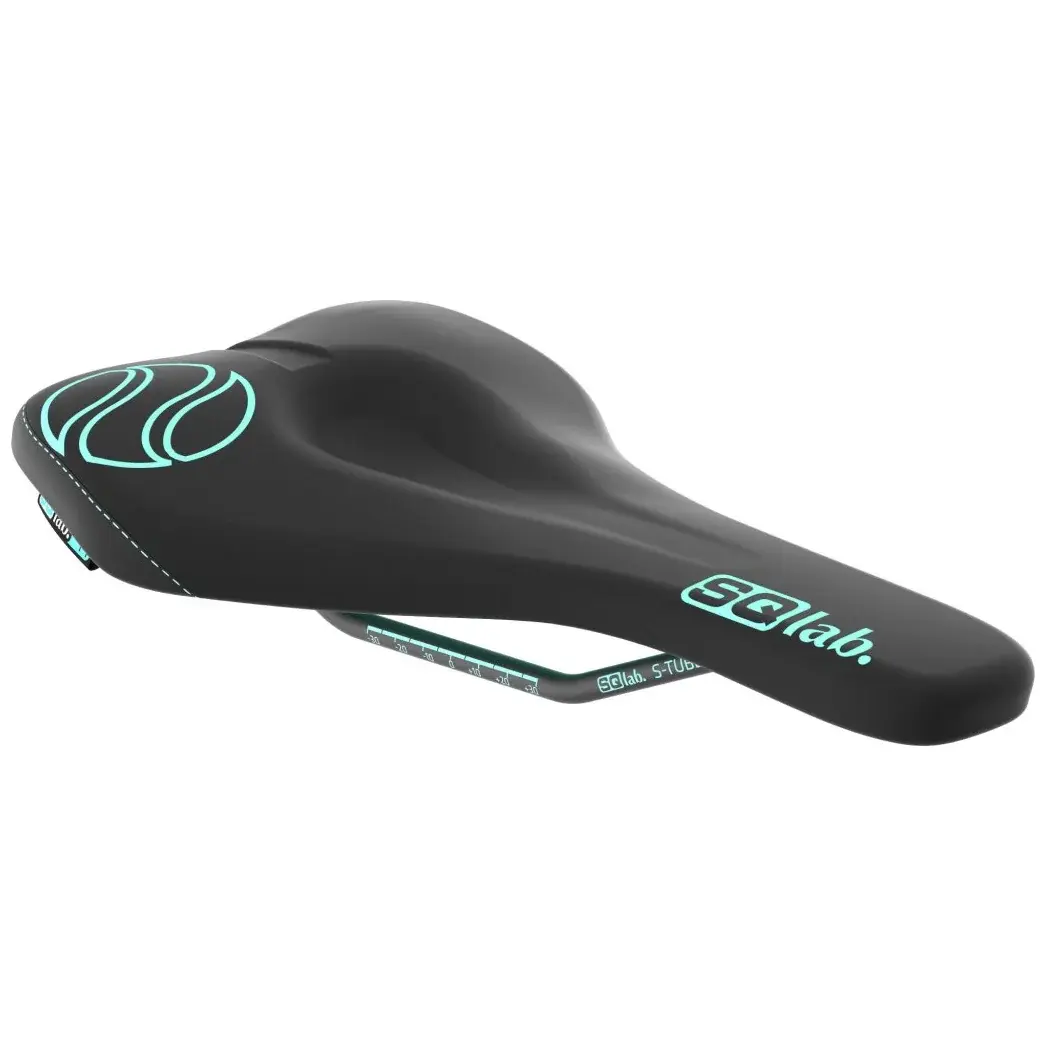
SQ Lab
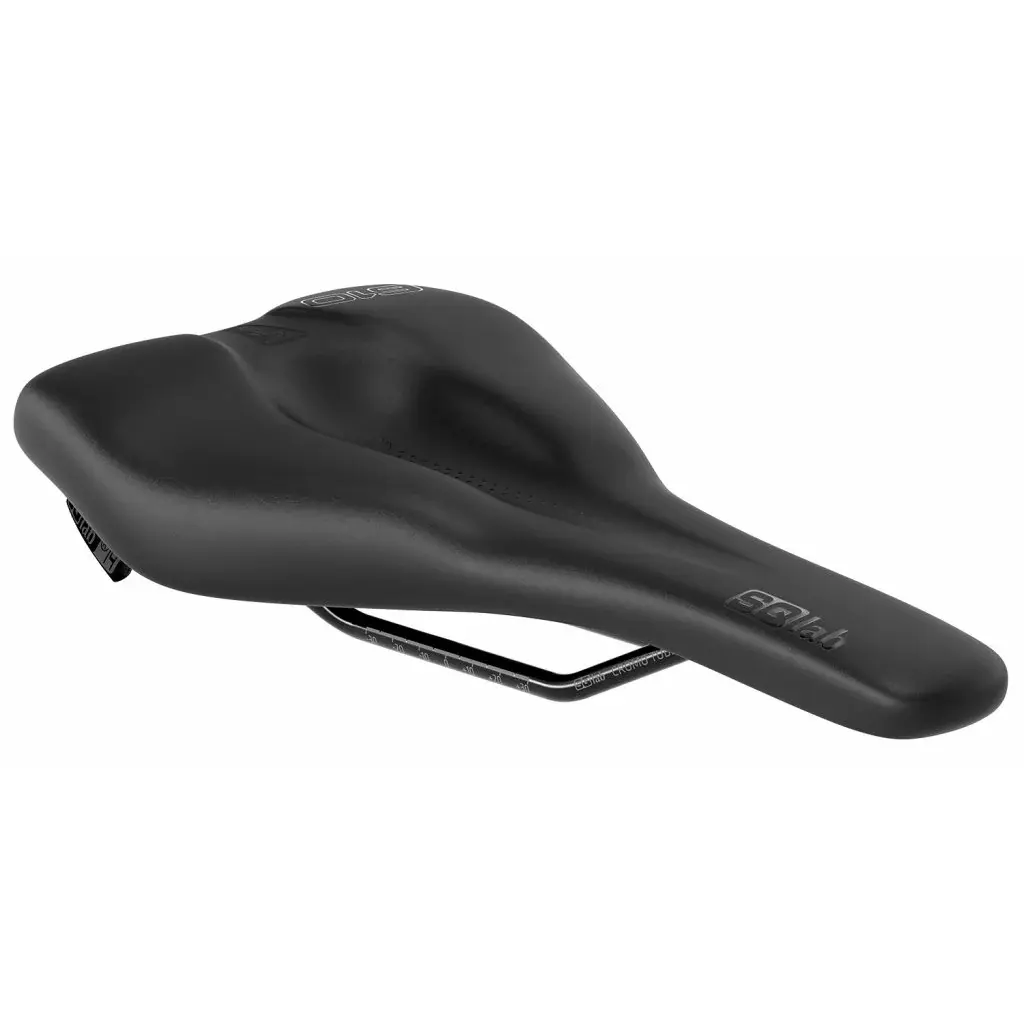
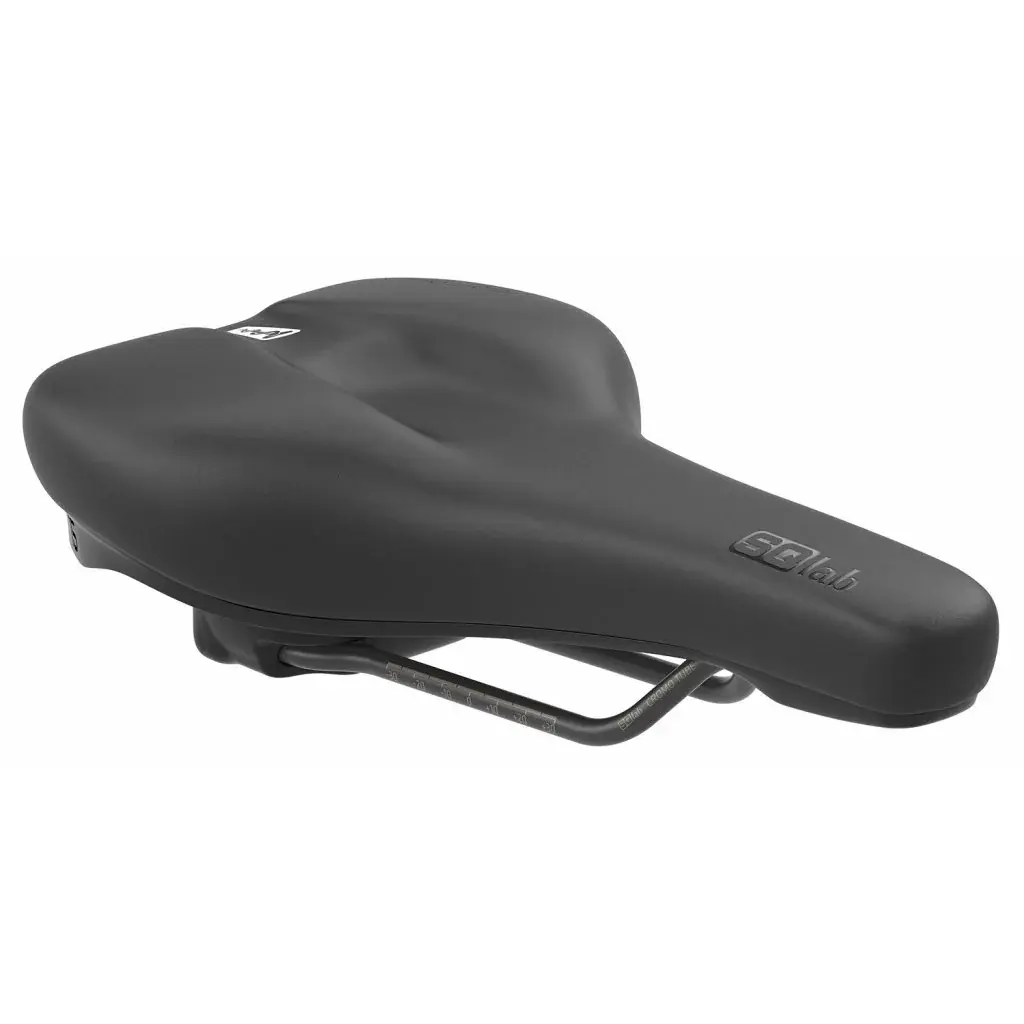
Saddle 611 Ergowave active S-Tube endless summer
Ergon
Men's bike saddle SM E-Mountain Core Prime
Terry
Terry
Saddle Fisio Climavent Women Max
Ergon
Ergon
Ergon
SQ Lab
Saddle 611 Ergowave active S-Tube endless summer
SQ Lab
SQ Lab
Terry
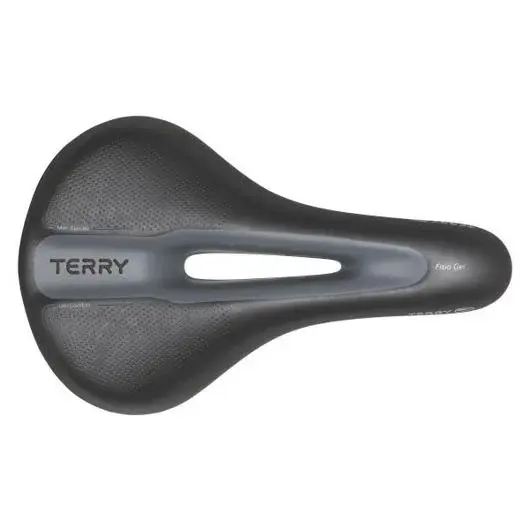
Terry
Men's bike saddle Fisio Gel Men
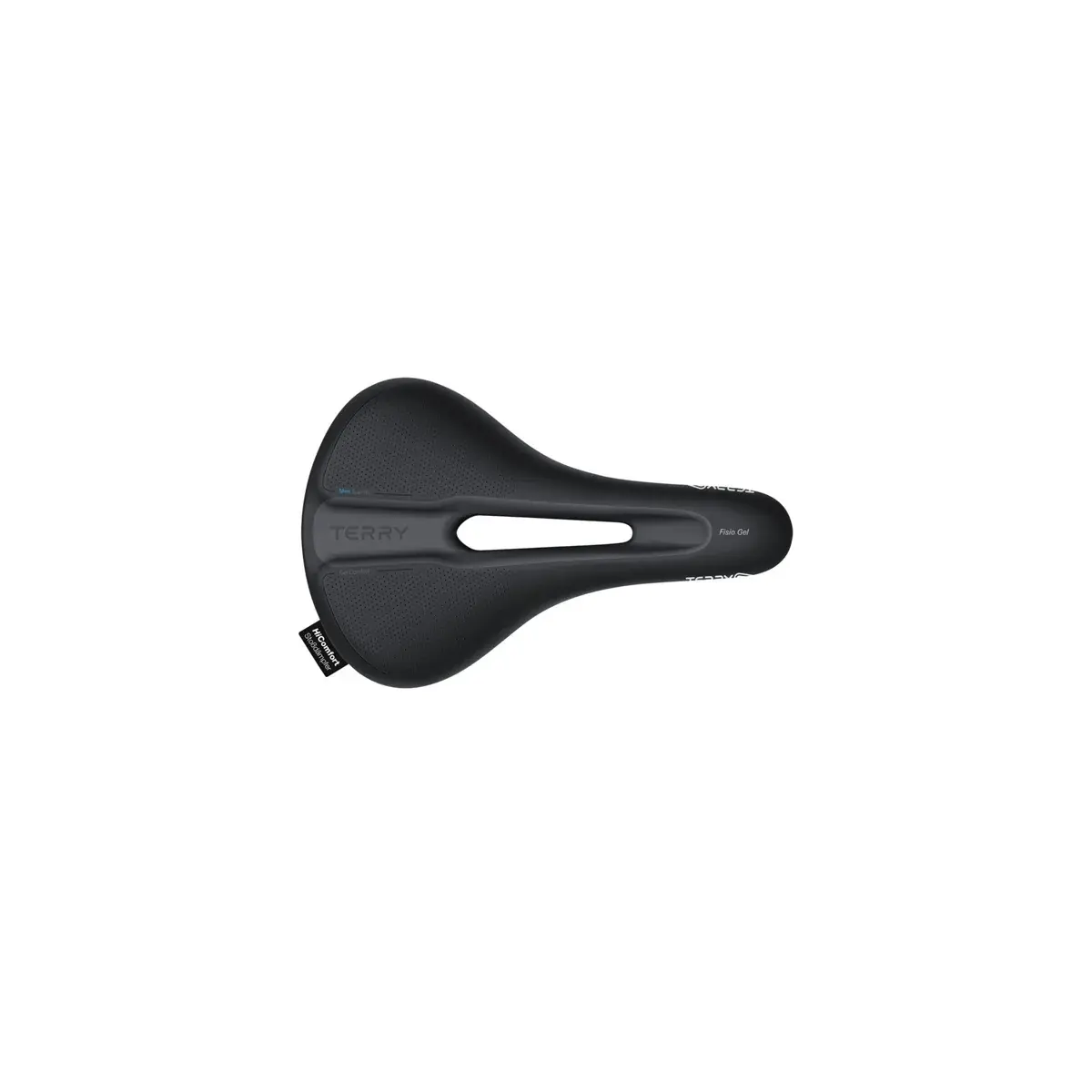
Terry
Men's bike saddle Fisio Flex Gel Men

Terry
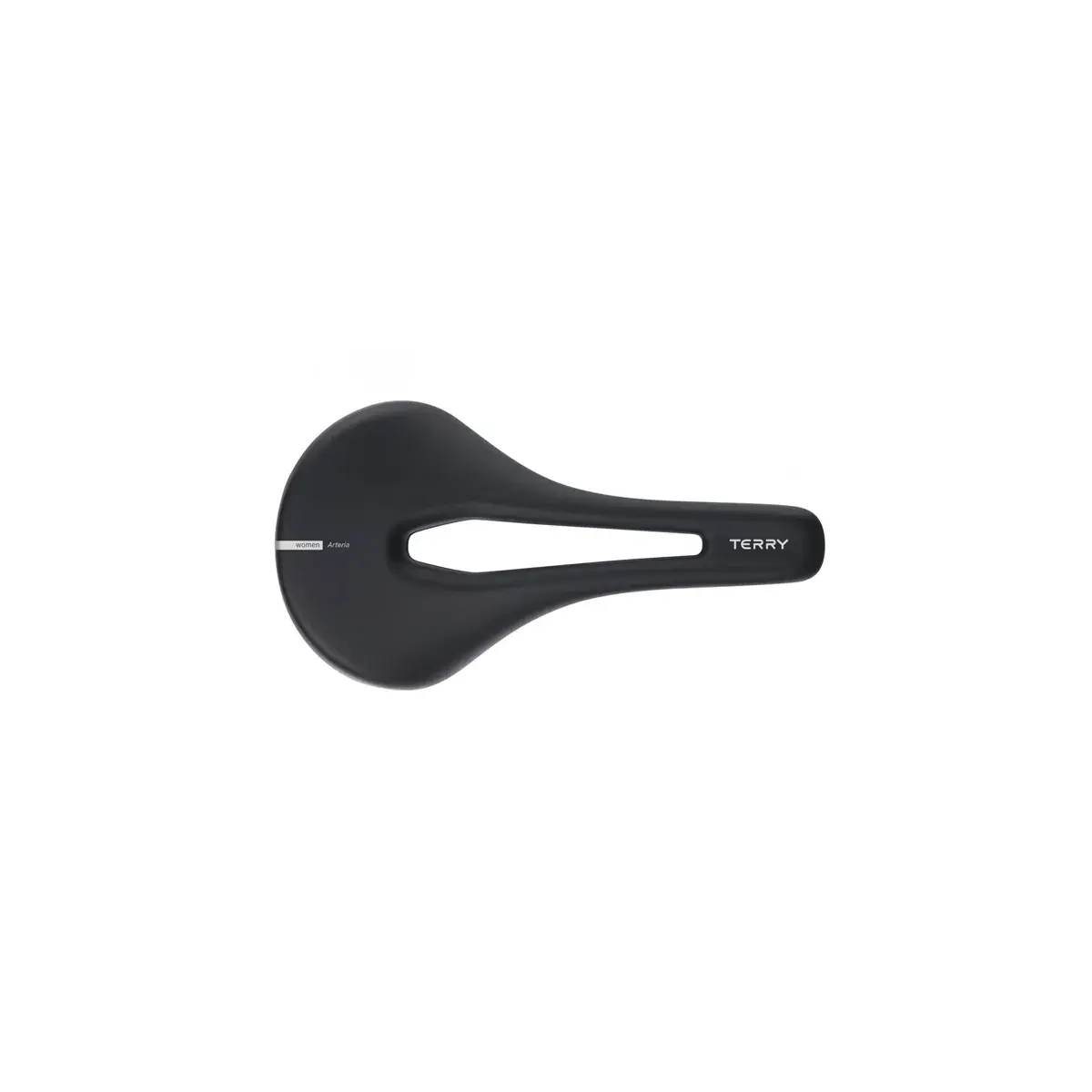
Terry
Saddle Butterfly Arteria Women
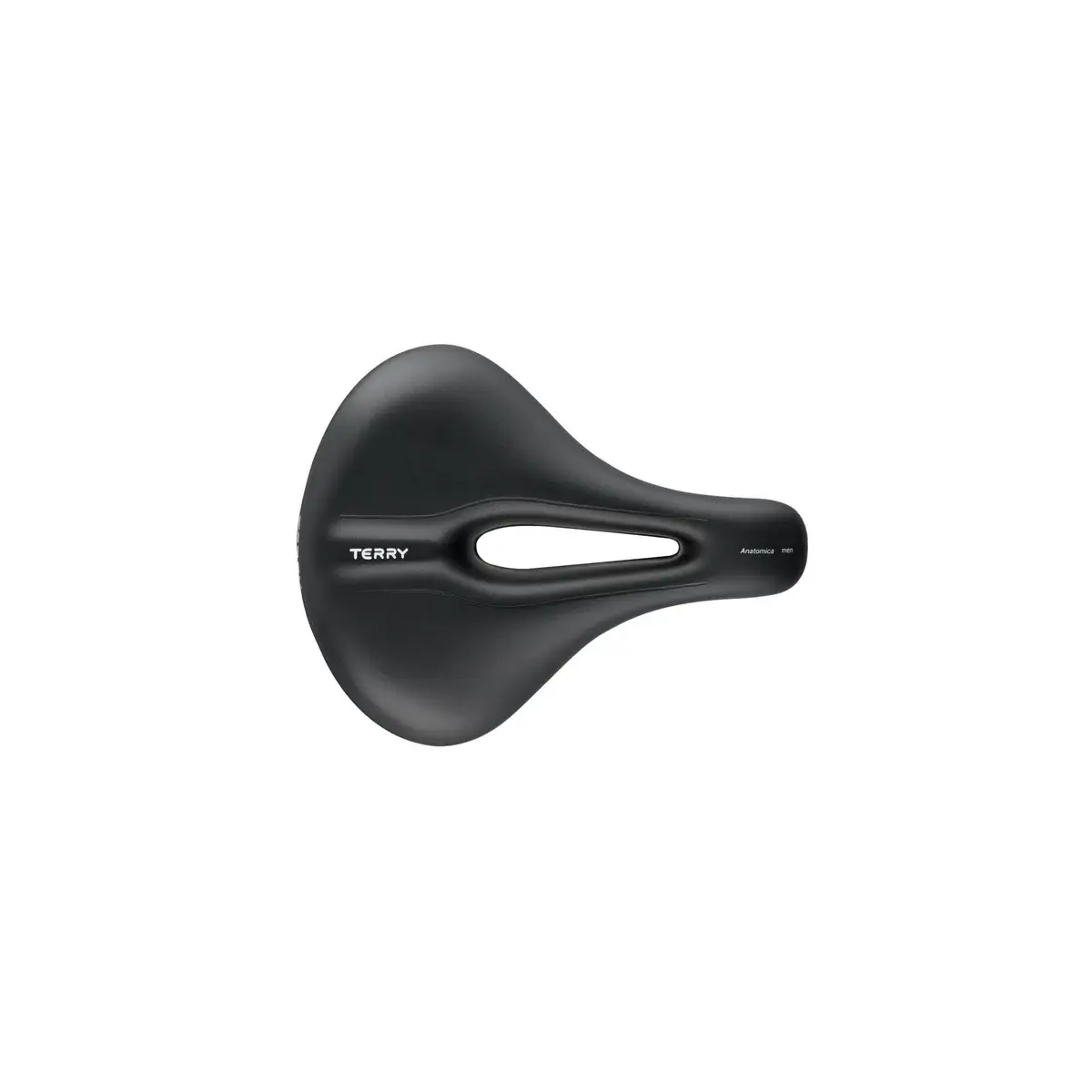
Terry
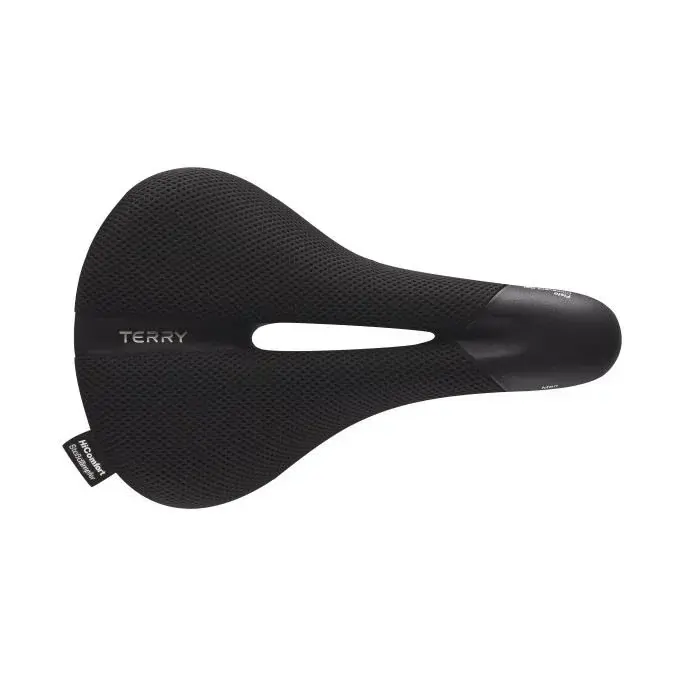
Terry

Terry
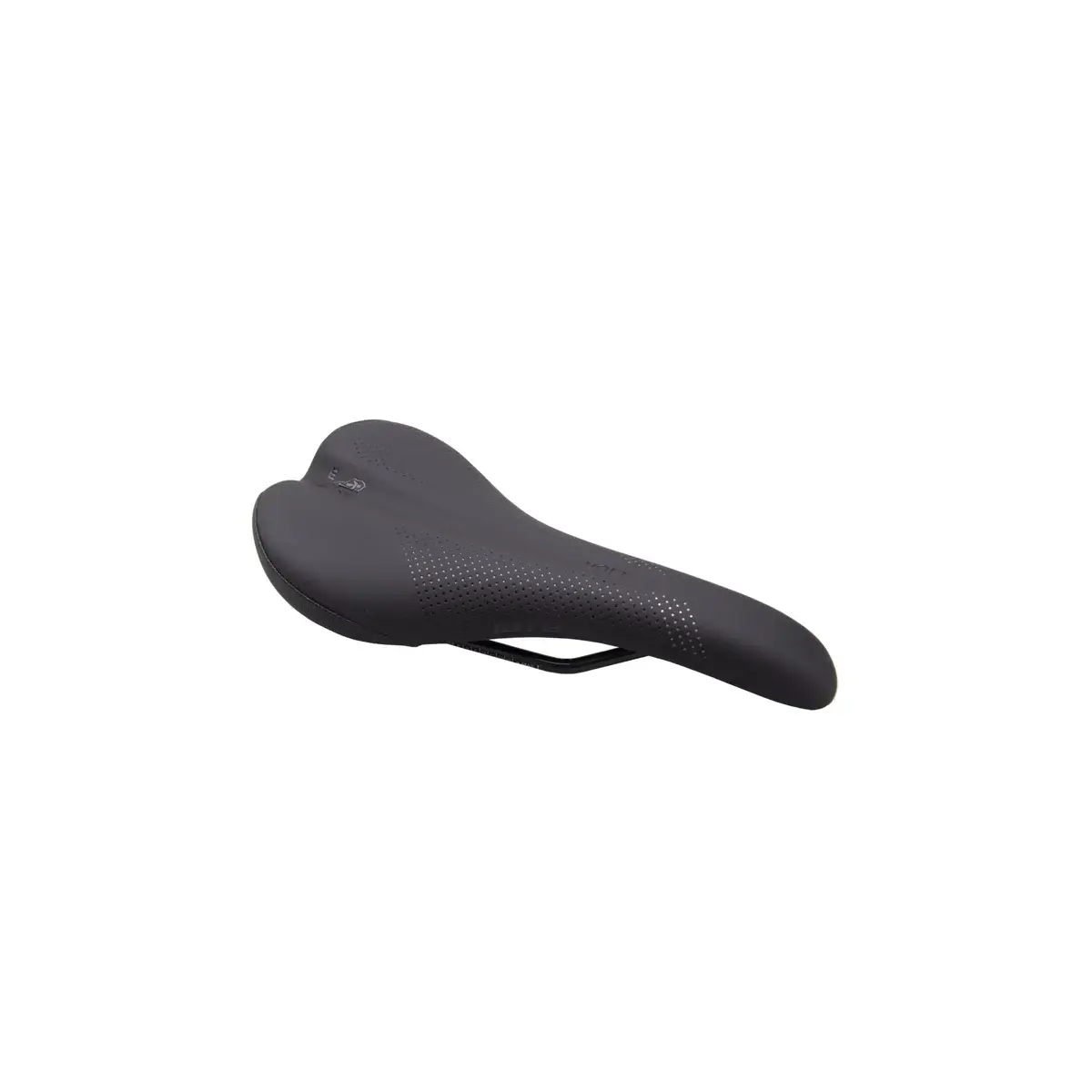
WTB
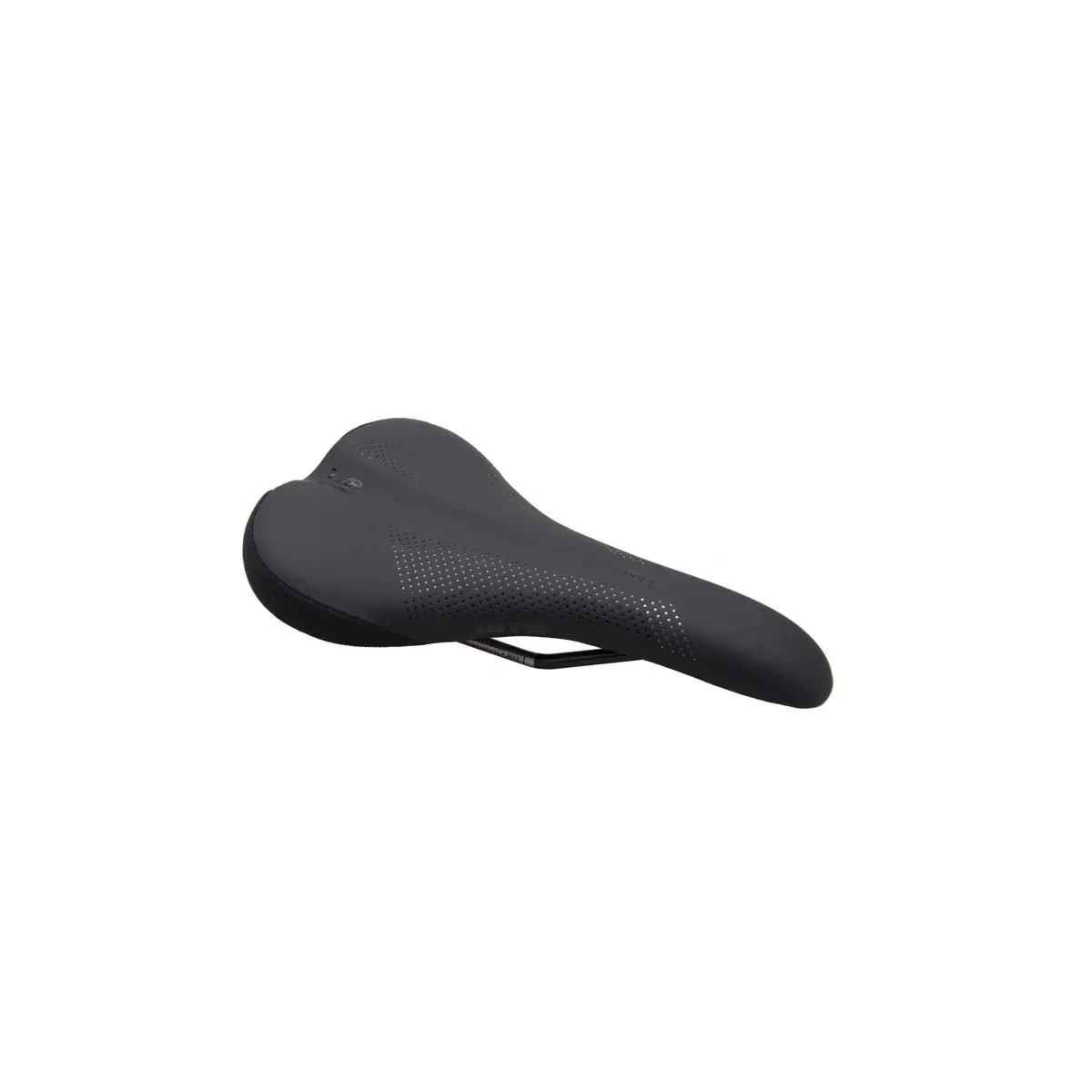
WTB
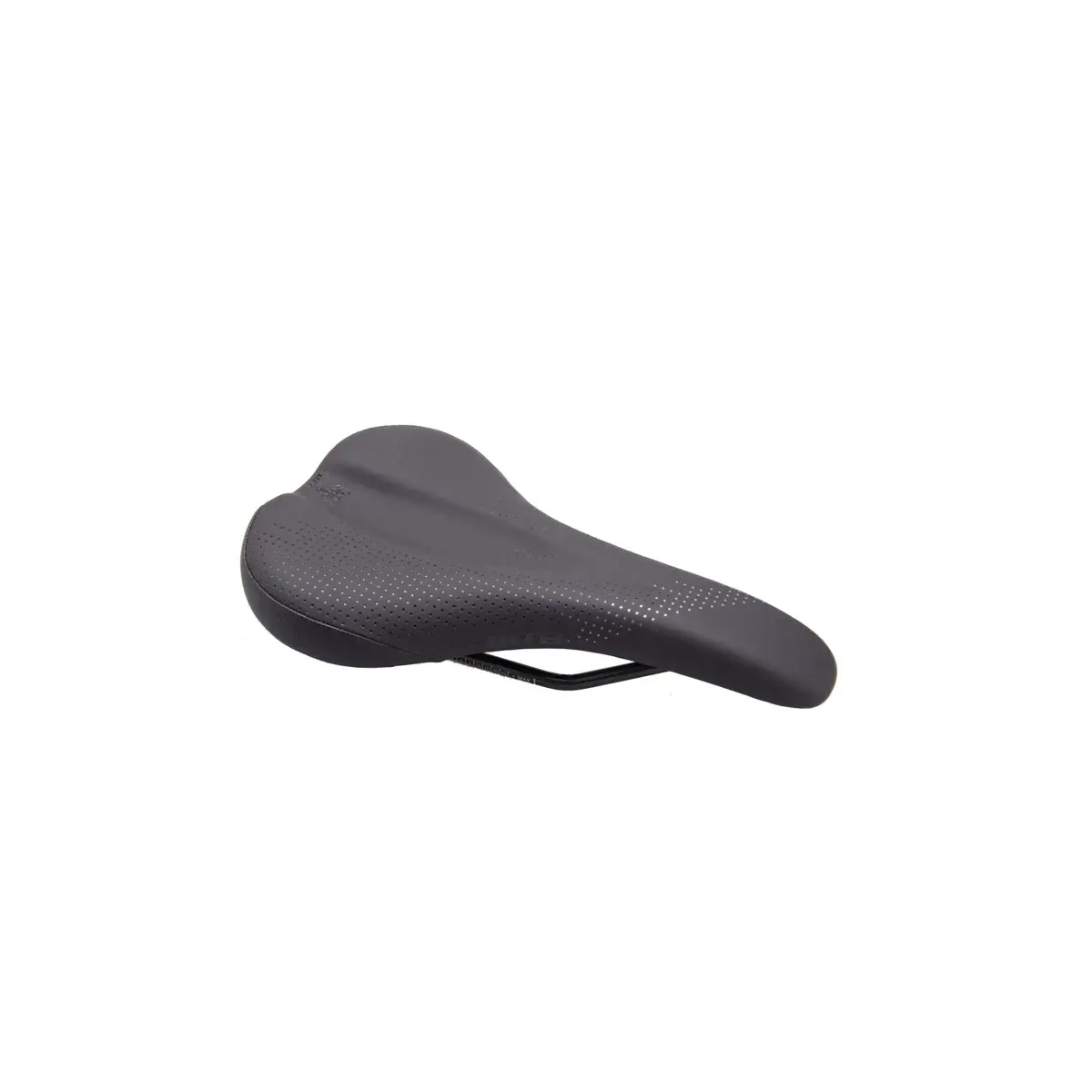
WTB
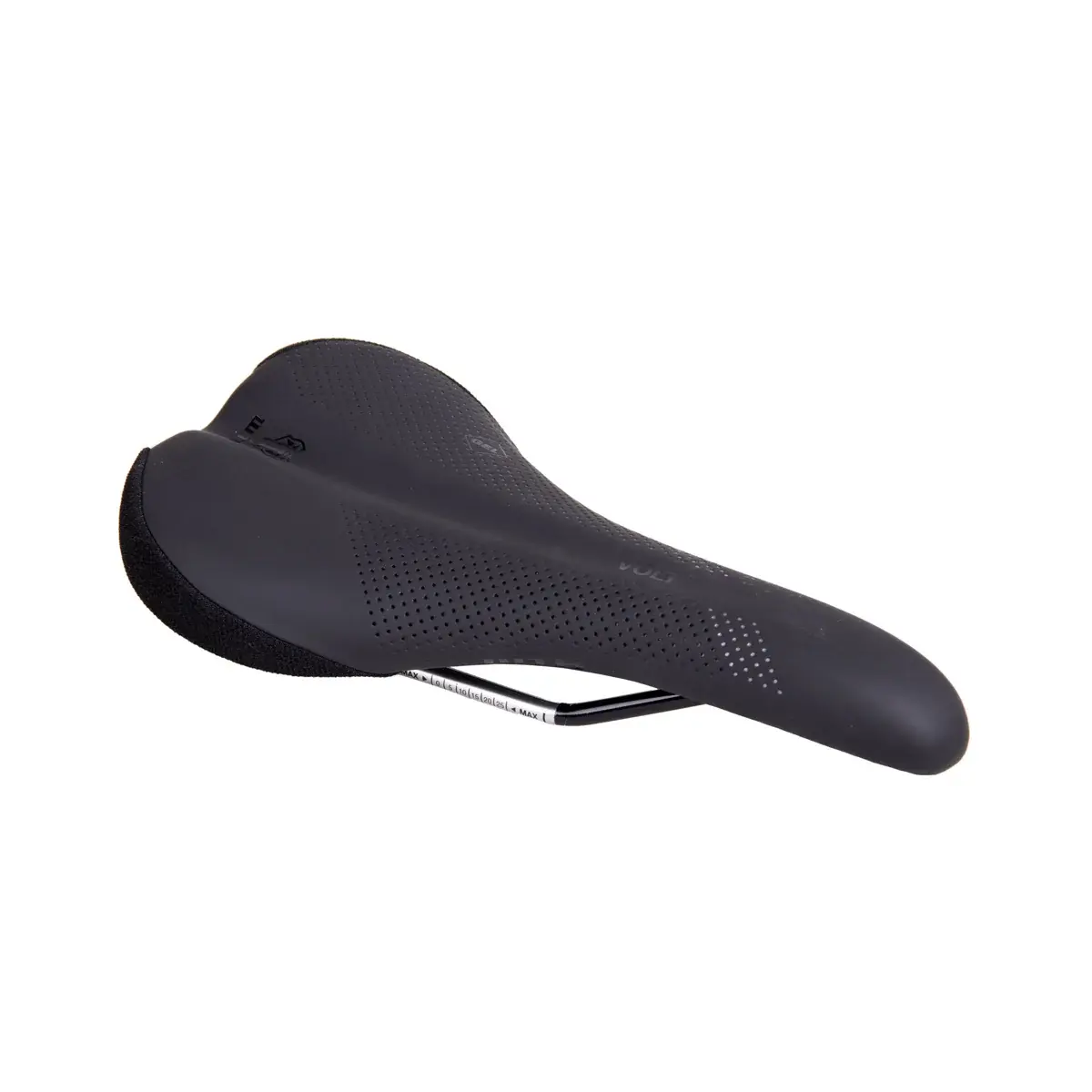
WTB
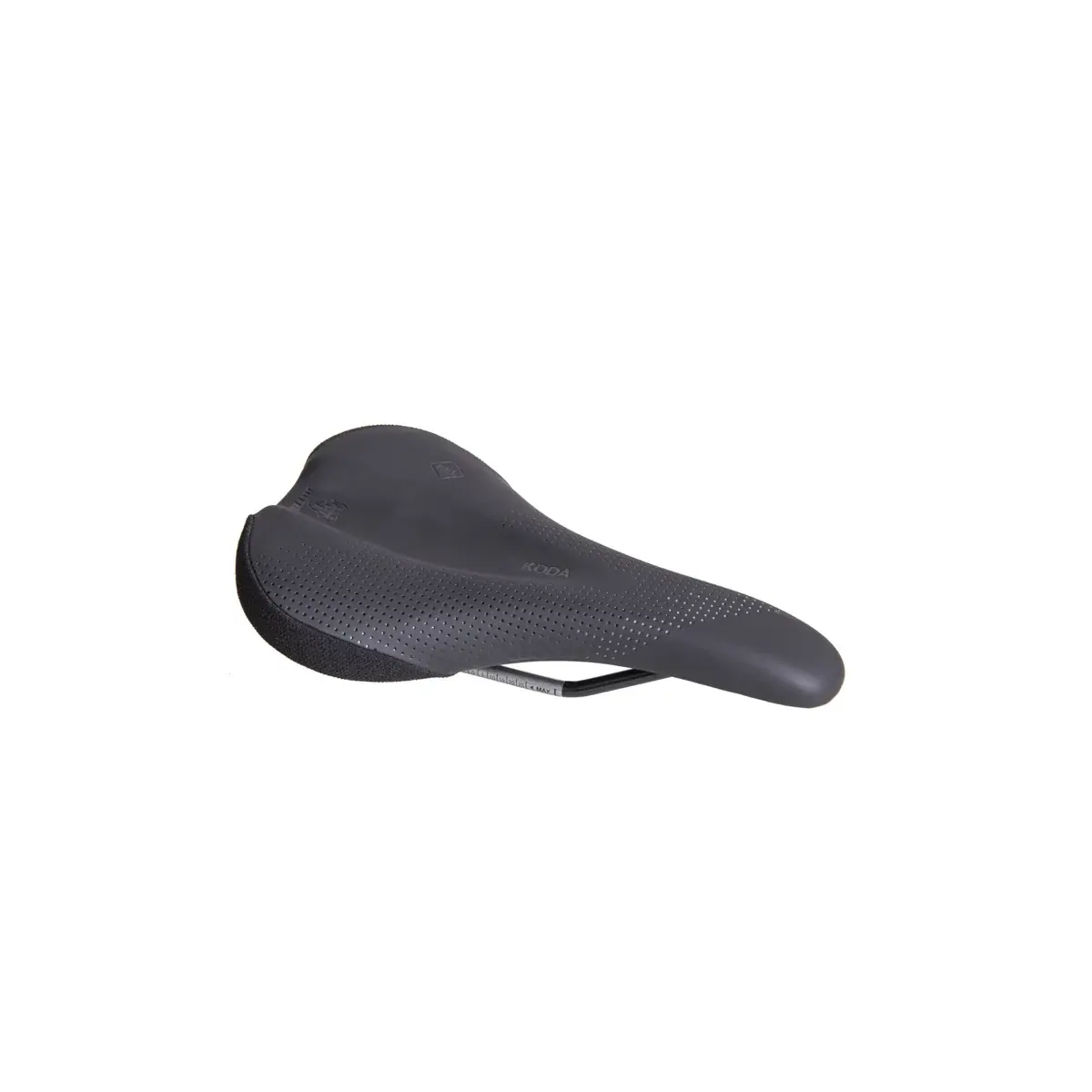
WTB
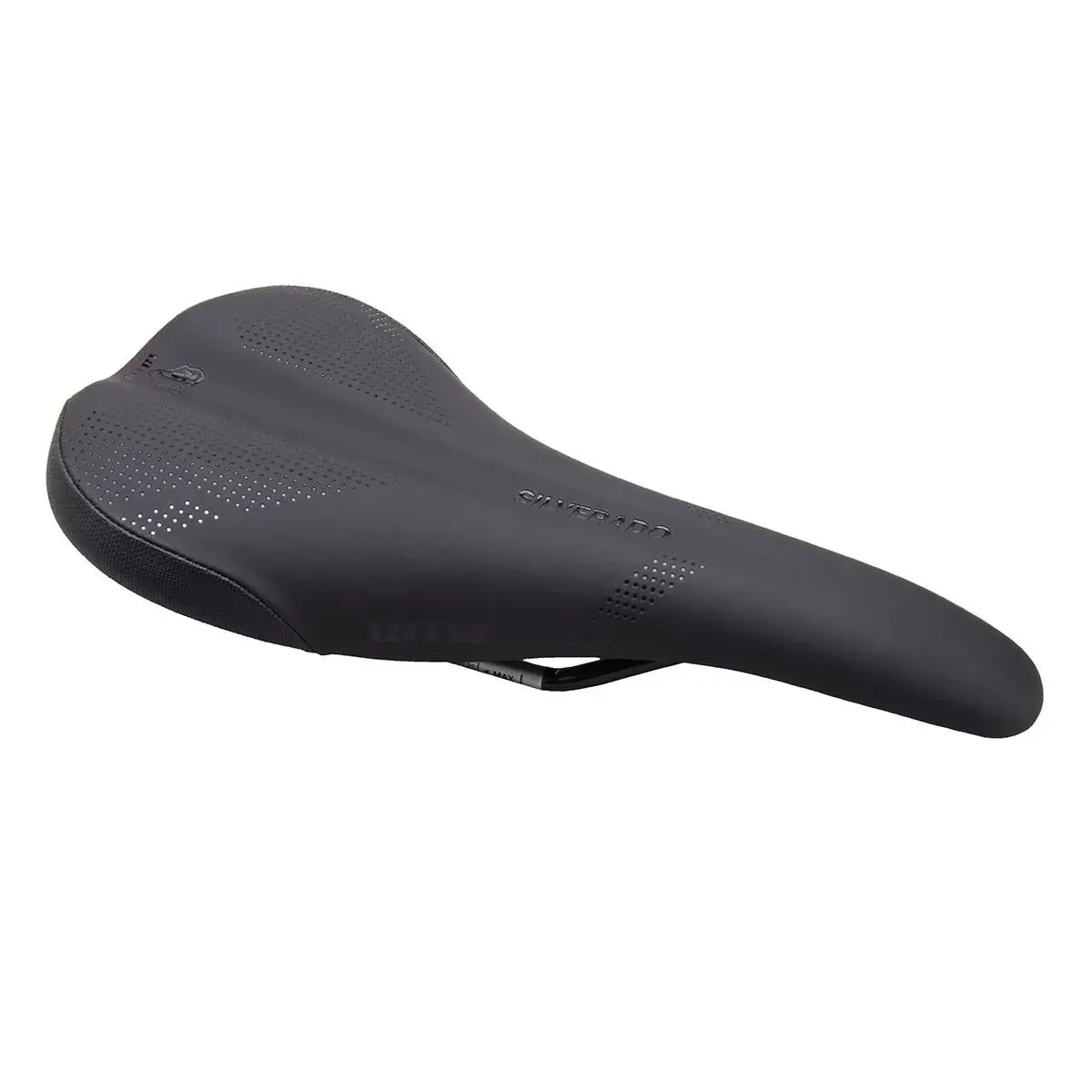
WTB
Saddle Silverado Cromoly Medium
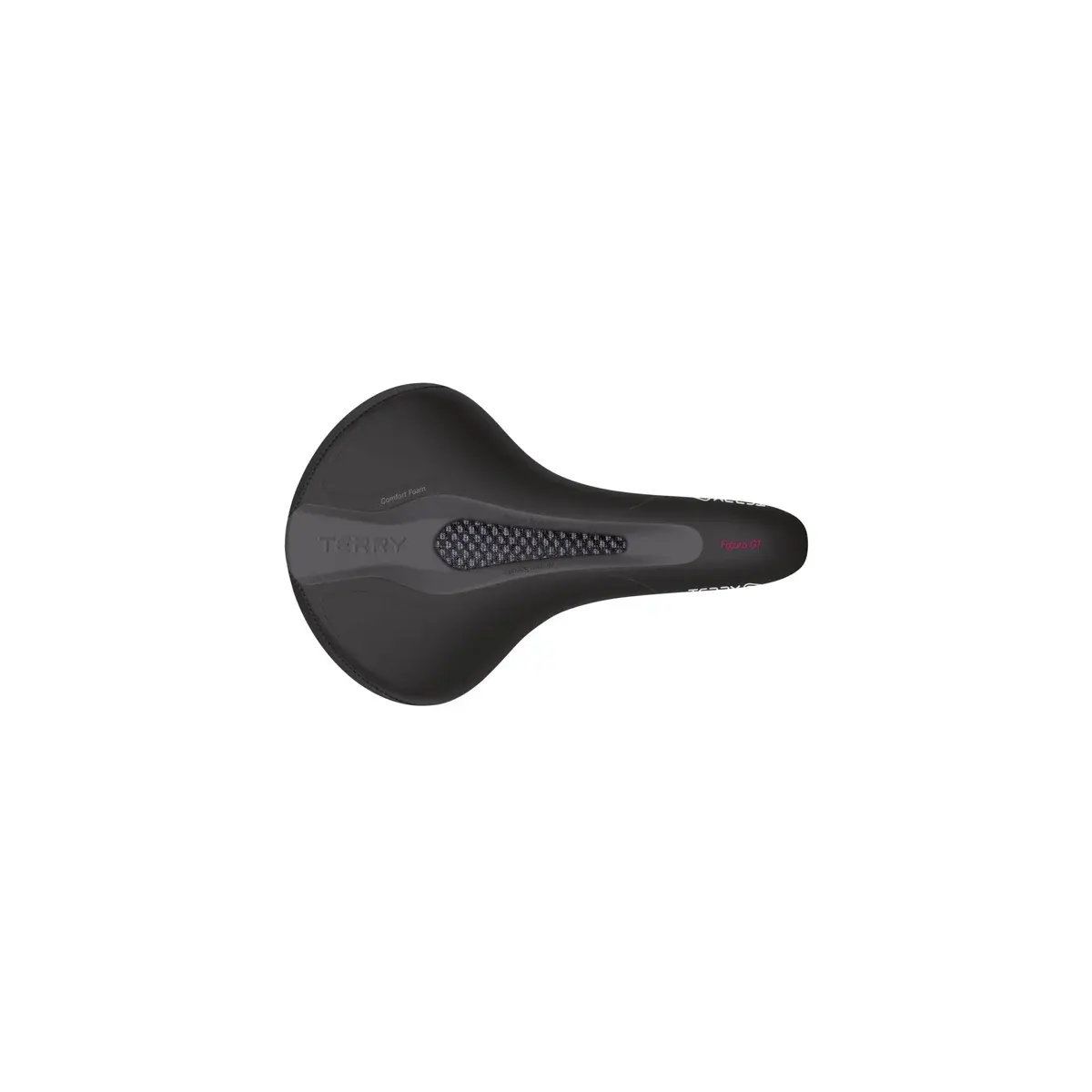
Terry
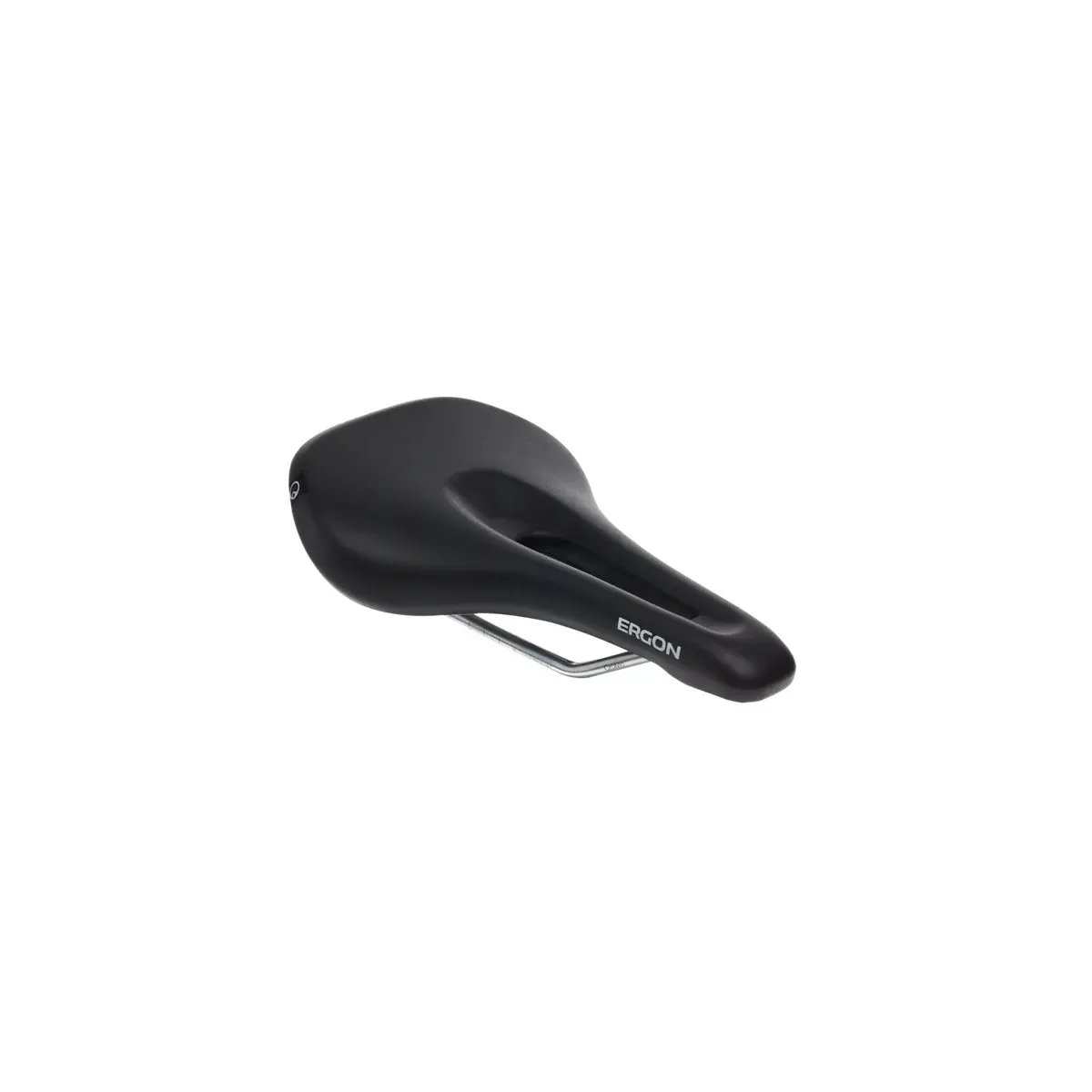
Ergon
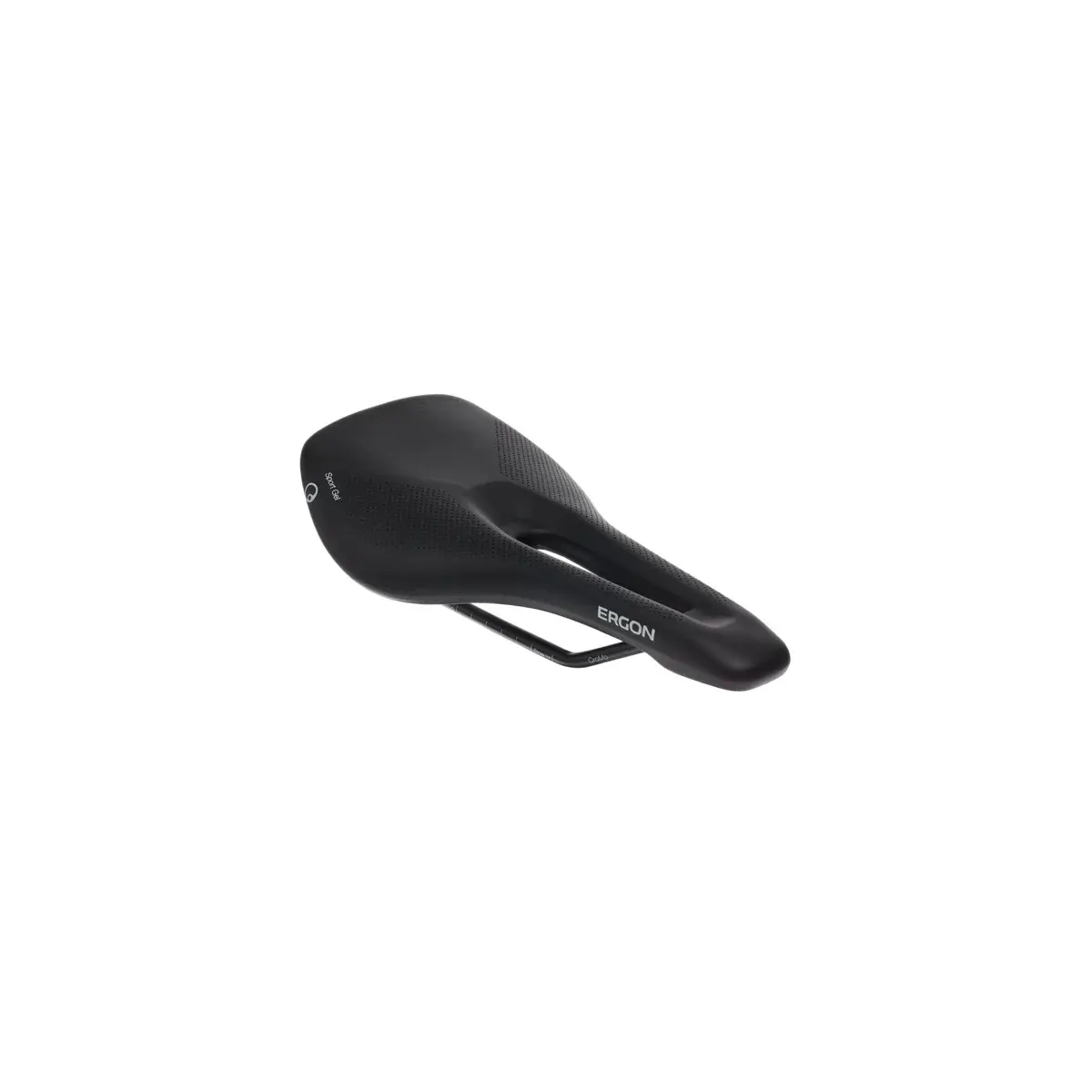
Ergon
Women's saddle SR Sport Gel Women
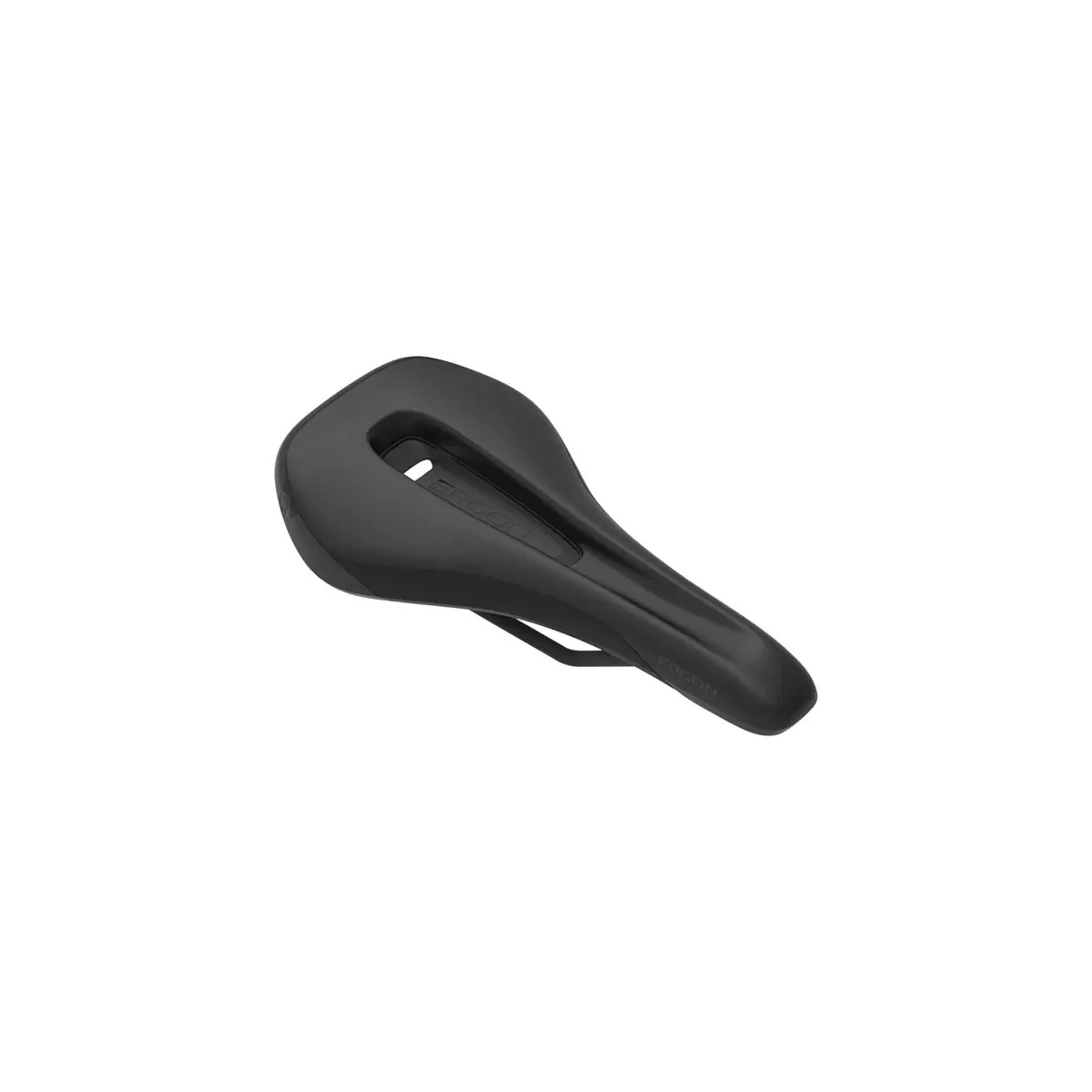
Ergon
Men's bike saddle SM Enduro Comp Men
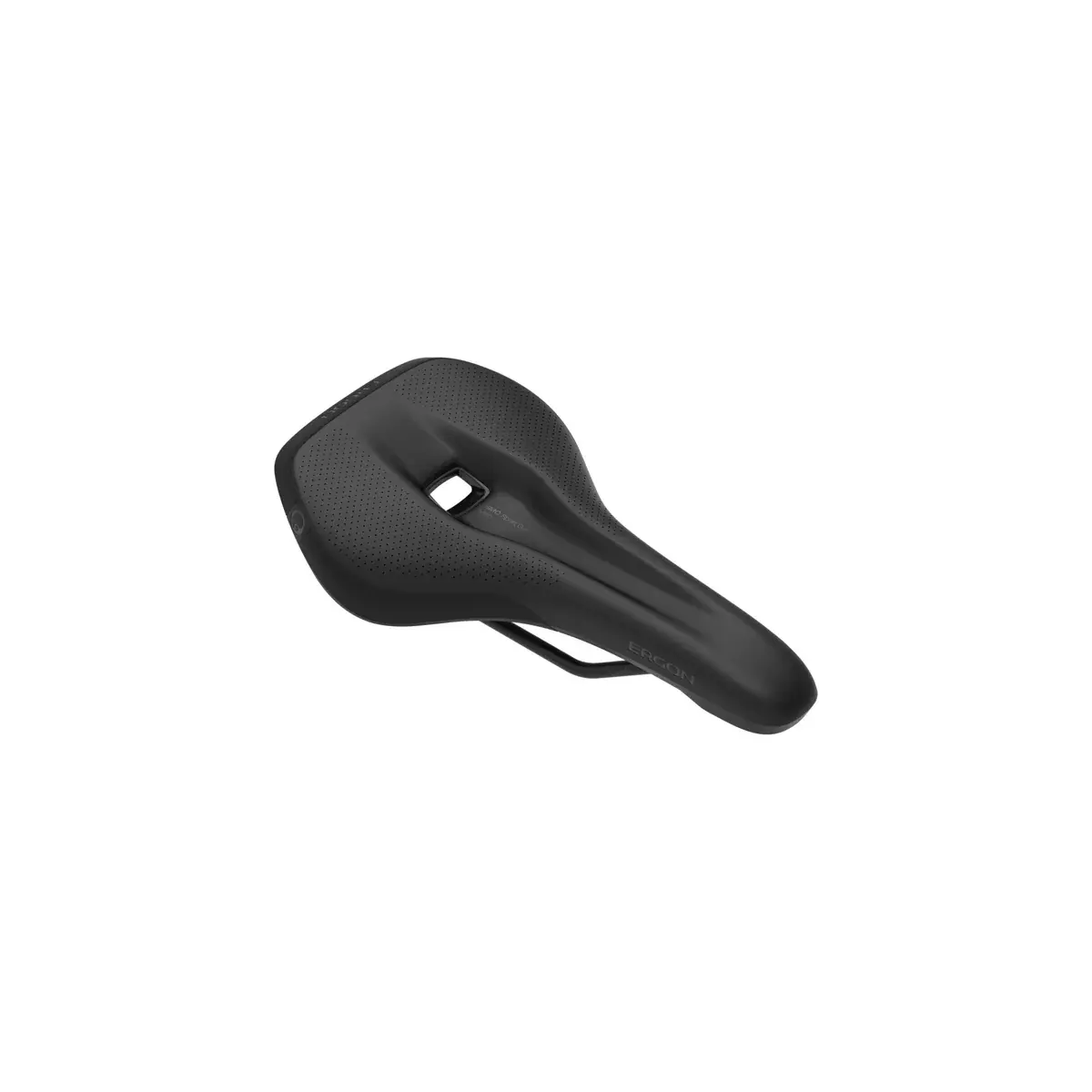
Ergon
Men's bike saddle SMC Men Sport
Ergon
Ergon
Ergon
Ergon
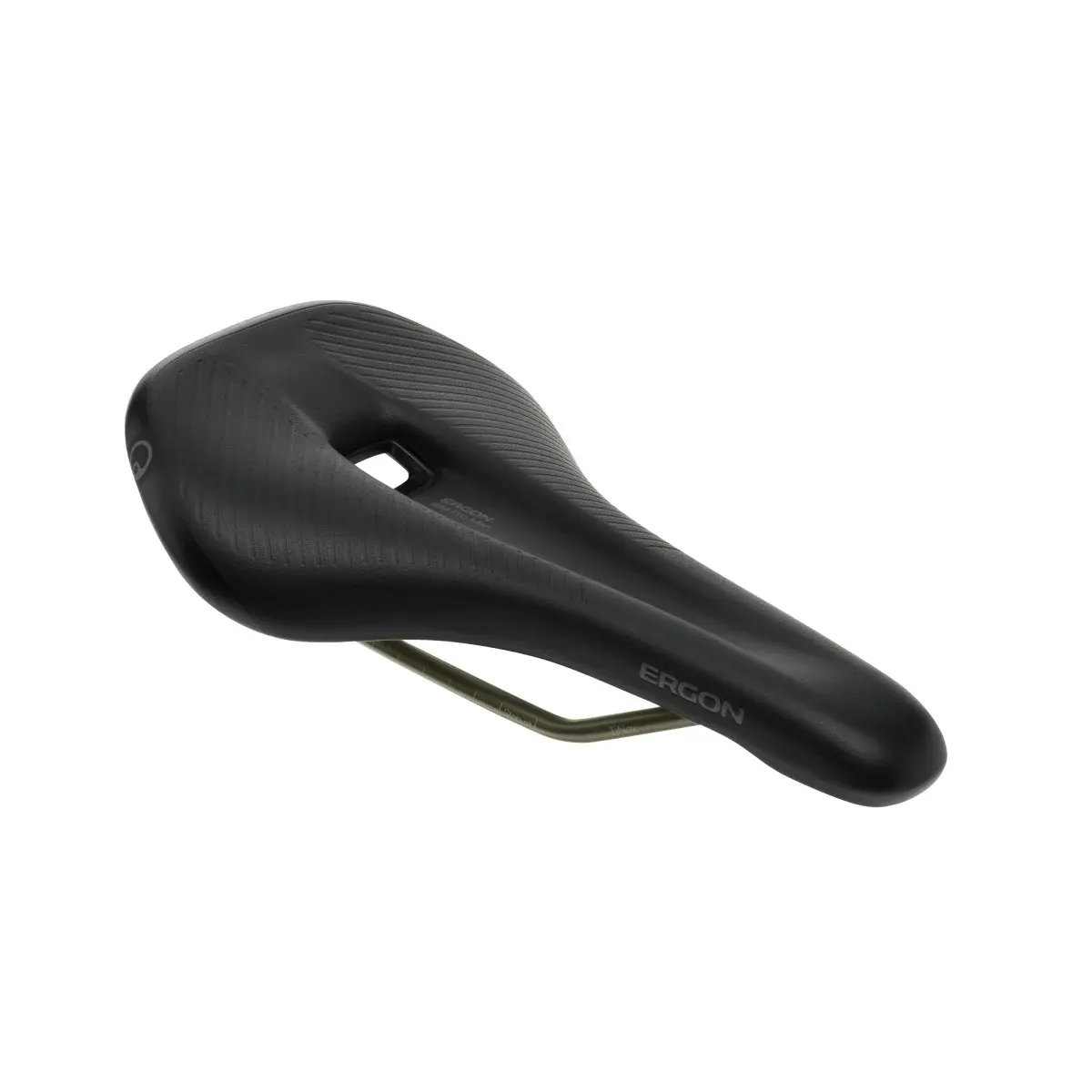
Ergon
Men's bike saddle SM Pro black
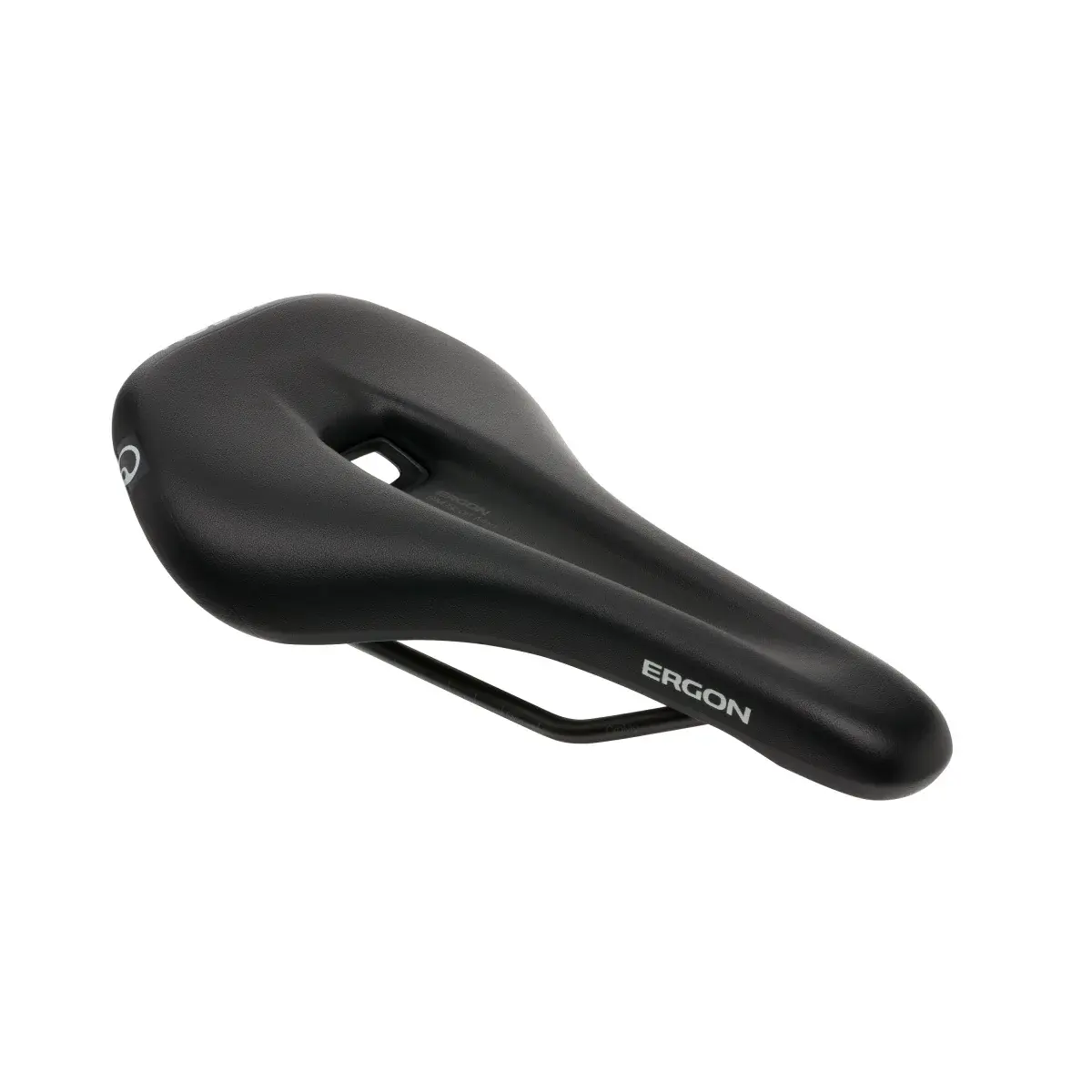
Ergon
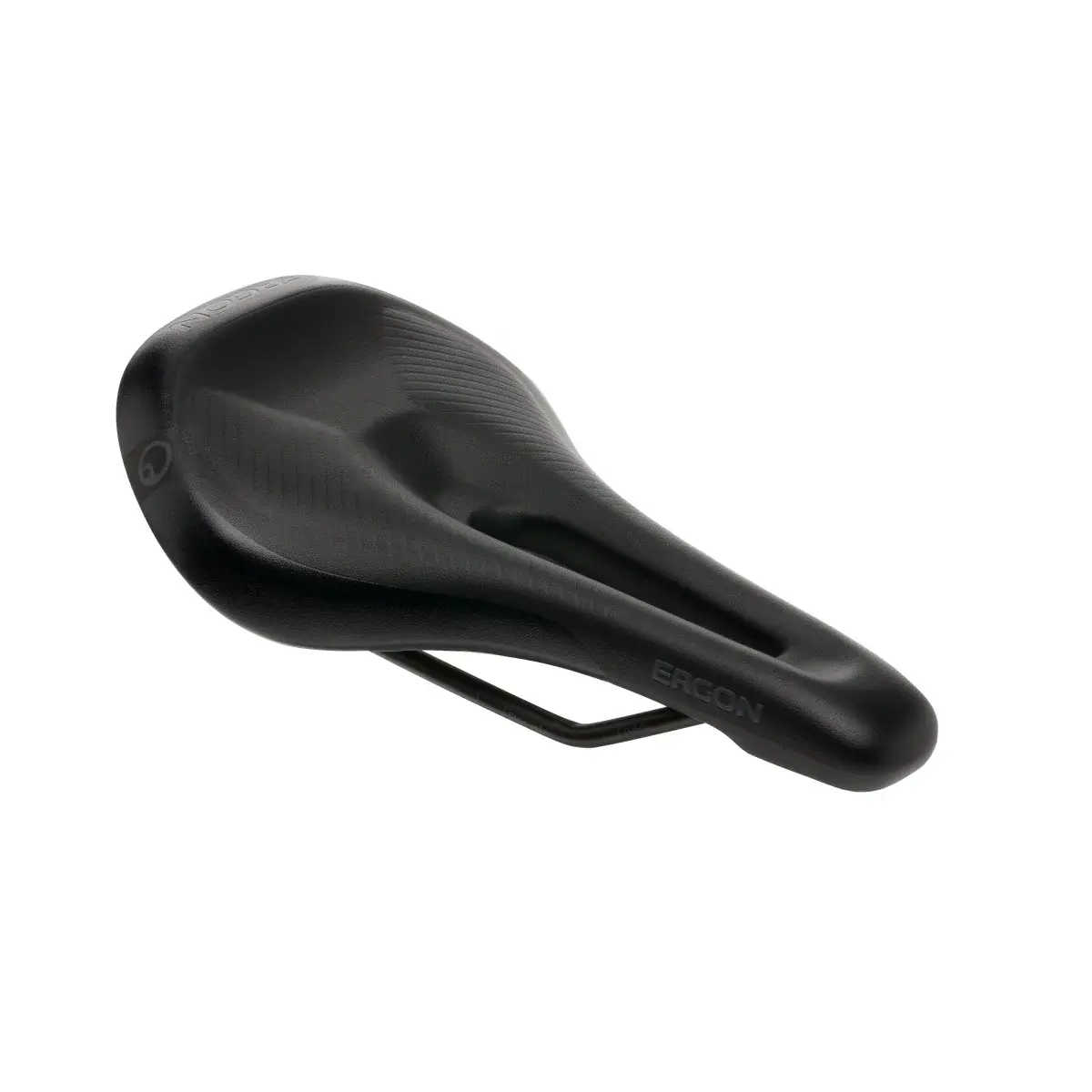
Ergon
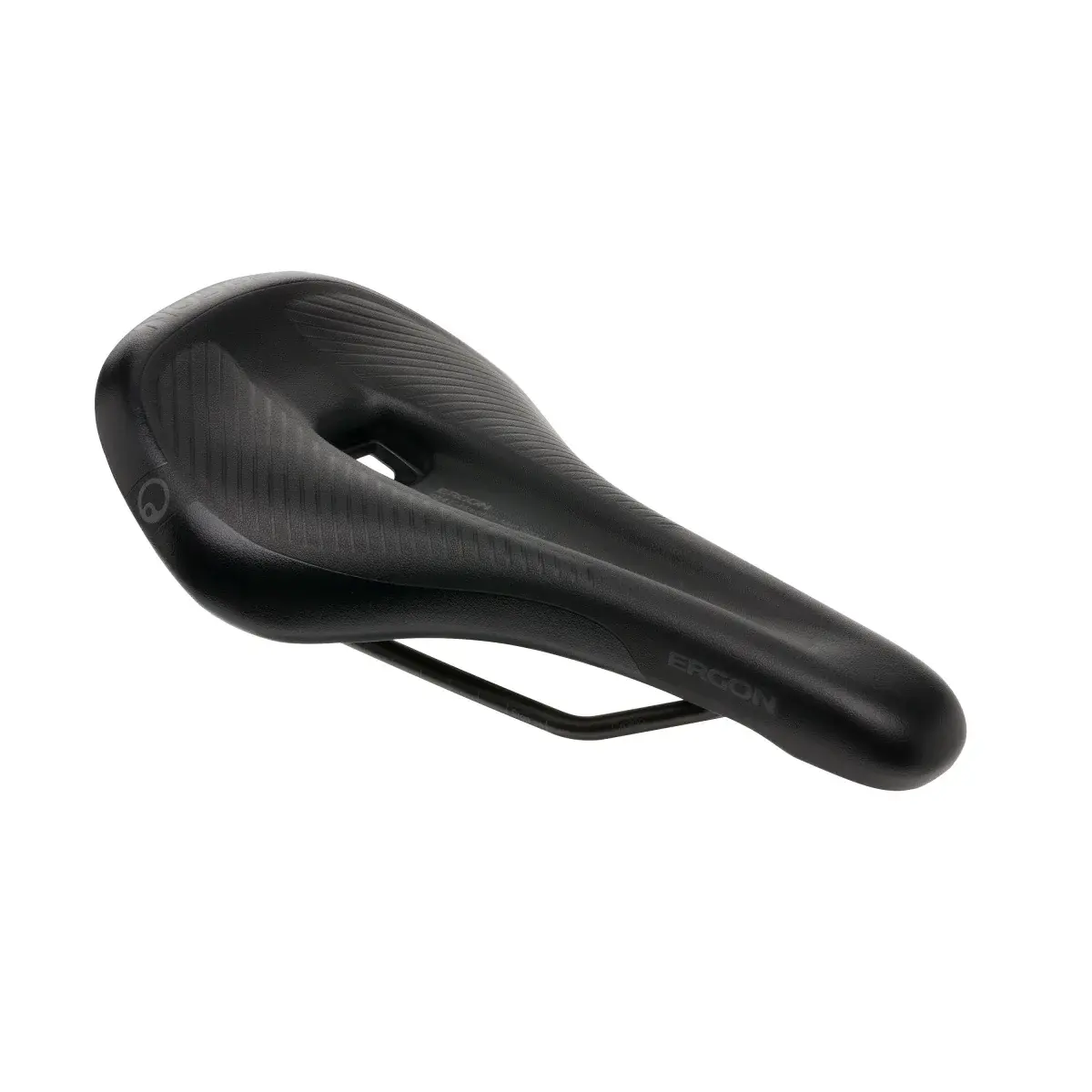
Ergon
Men's bike saddle SM E-Mountain

Ergon
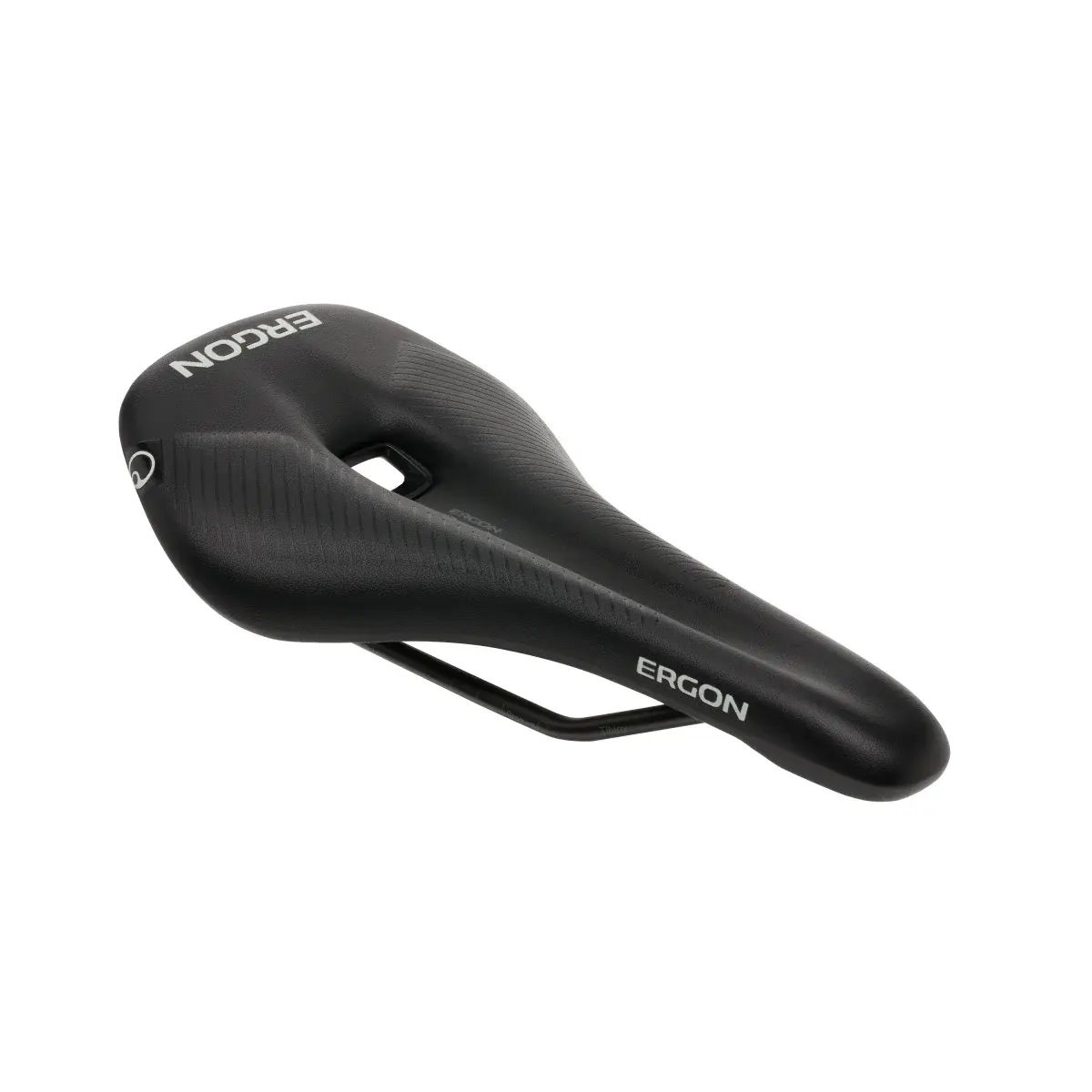
Ergon

Ergon

Ergon
Men's bike saddle SR Pro Carbon

Ergon
Men's bike saddle SC Core Prime

Ergon
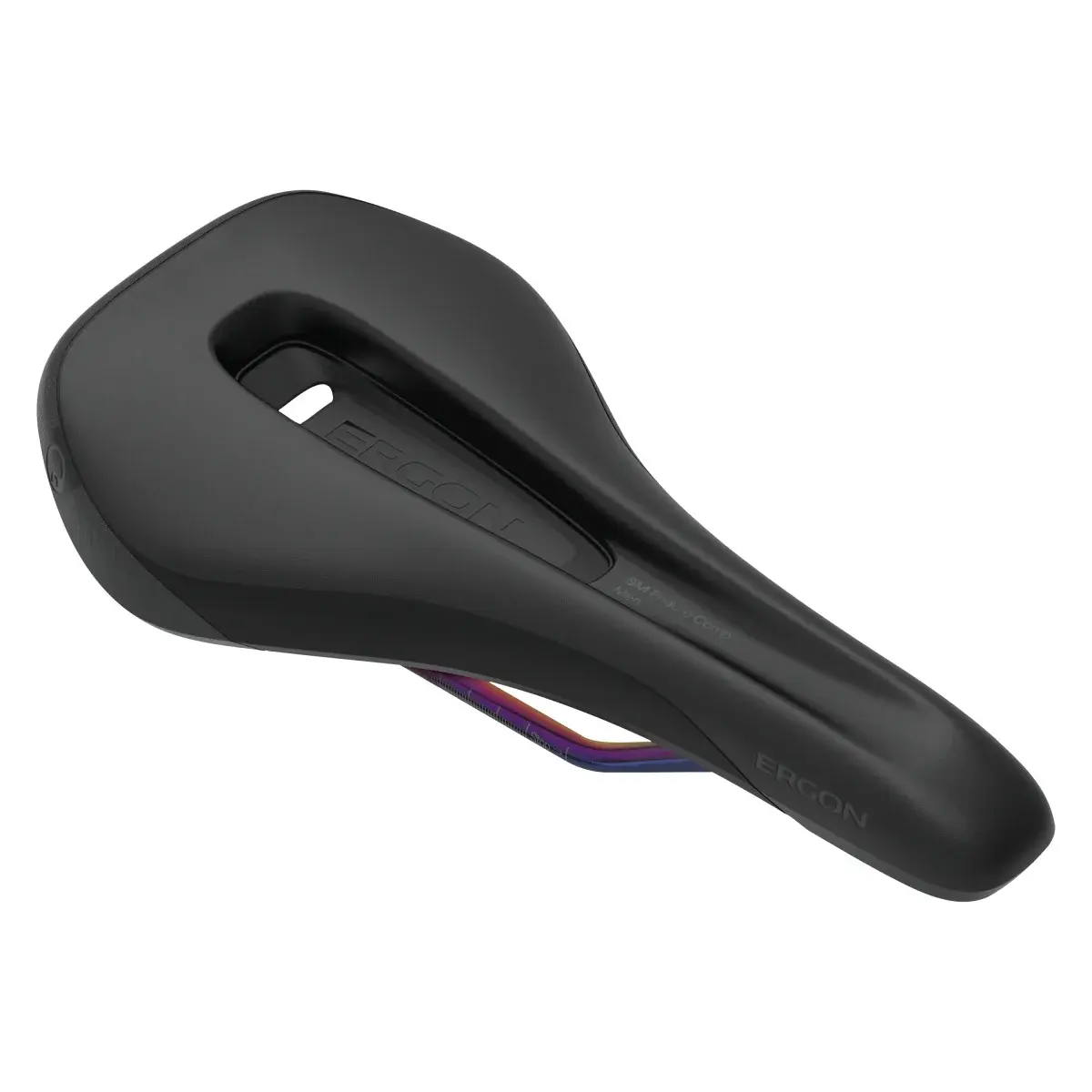
Ergon
Men's bike saddle SM Enduro Comp stealth/oil slick
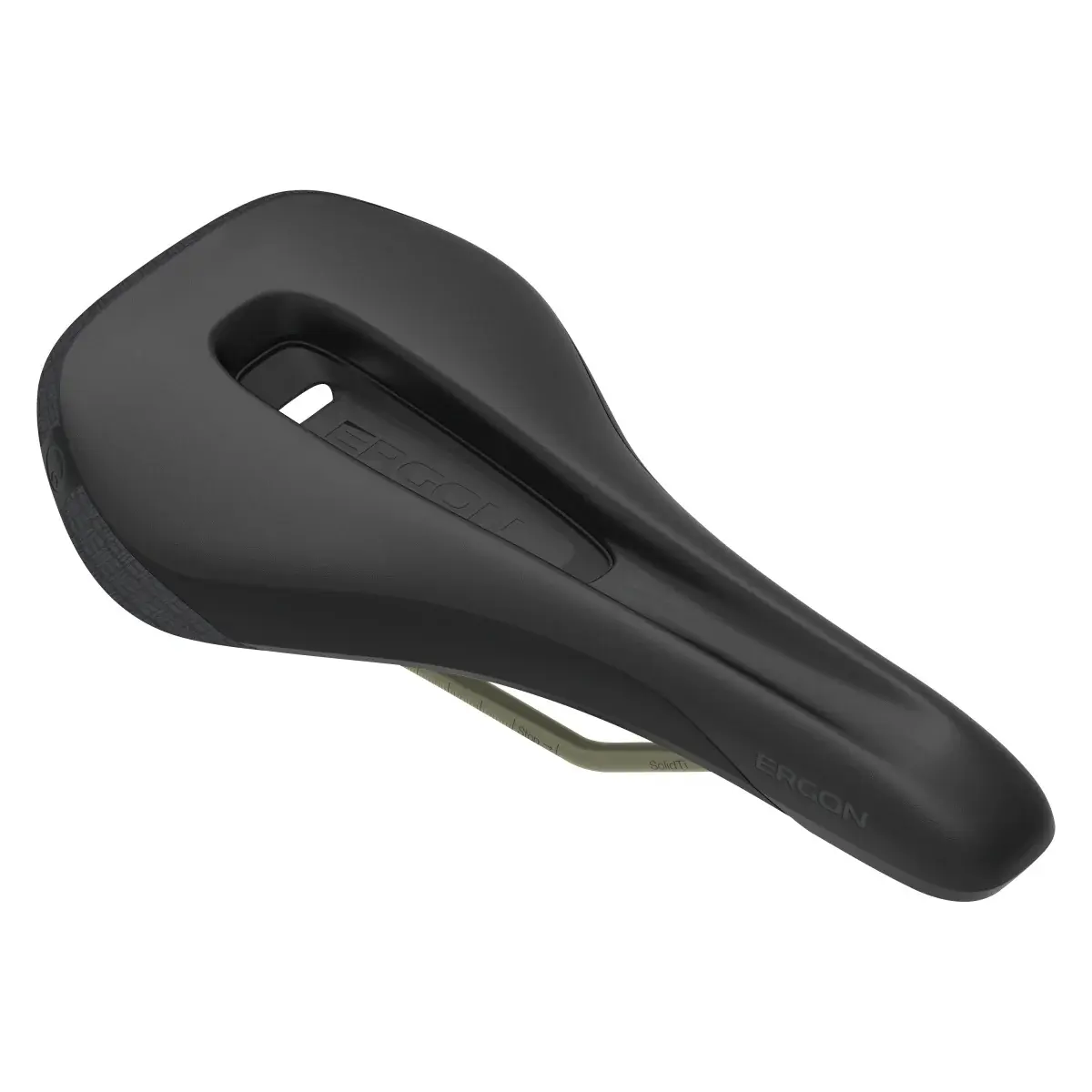
Ergon
Men's bike saddle SM Enduro Pro Titanium
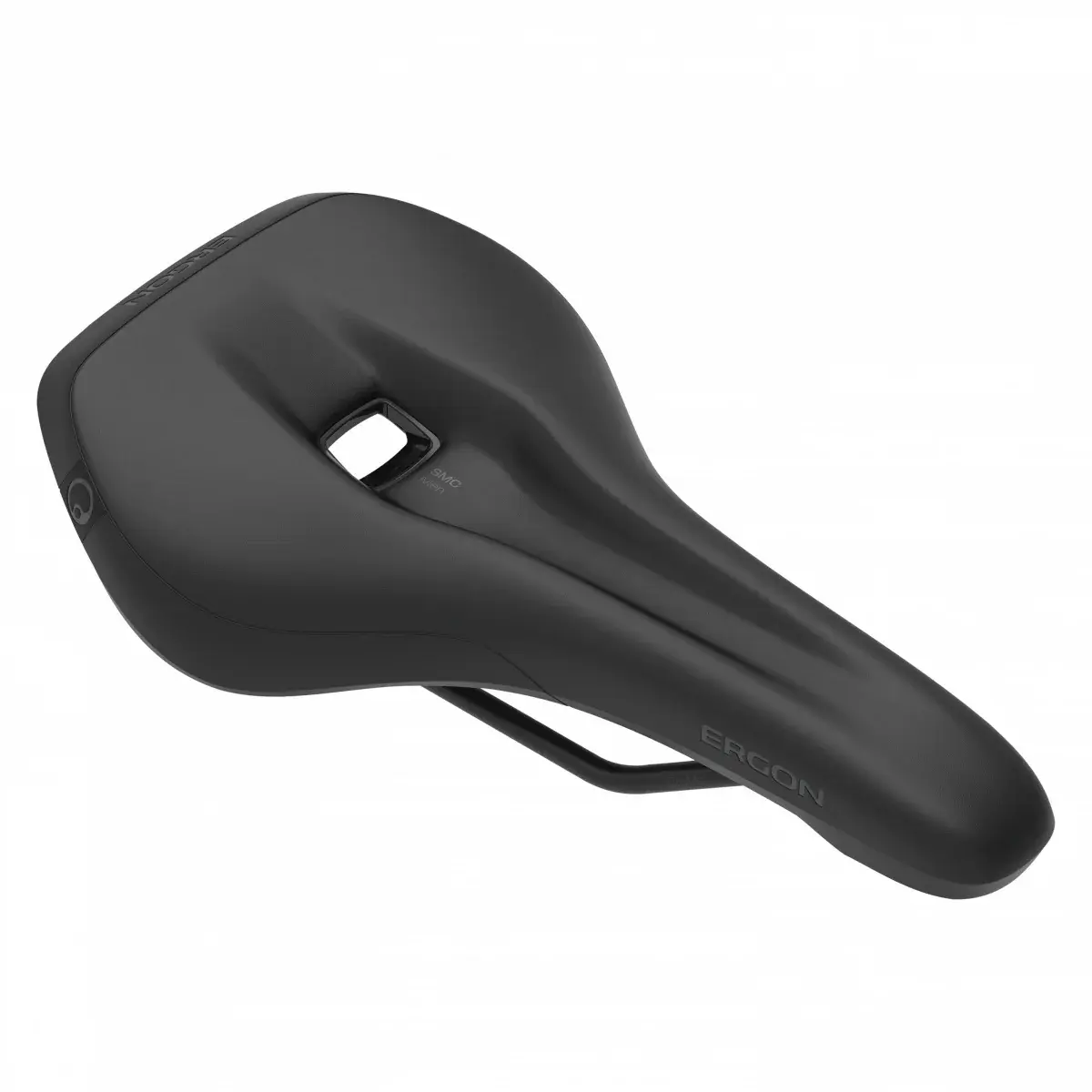
Ergon
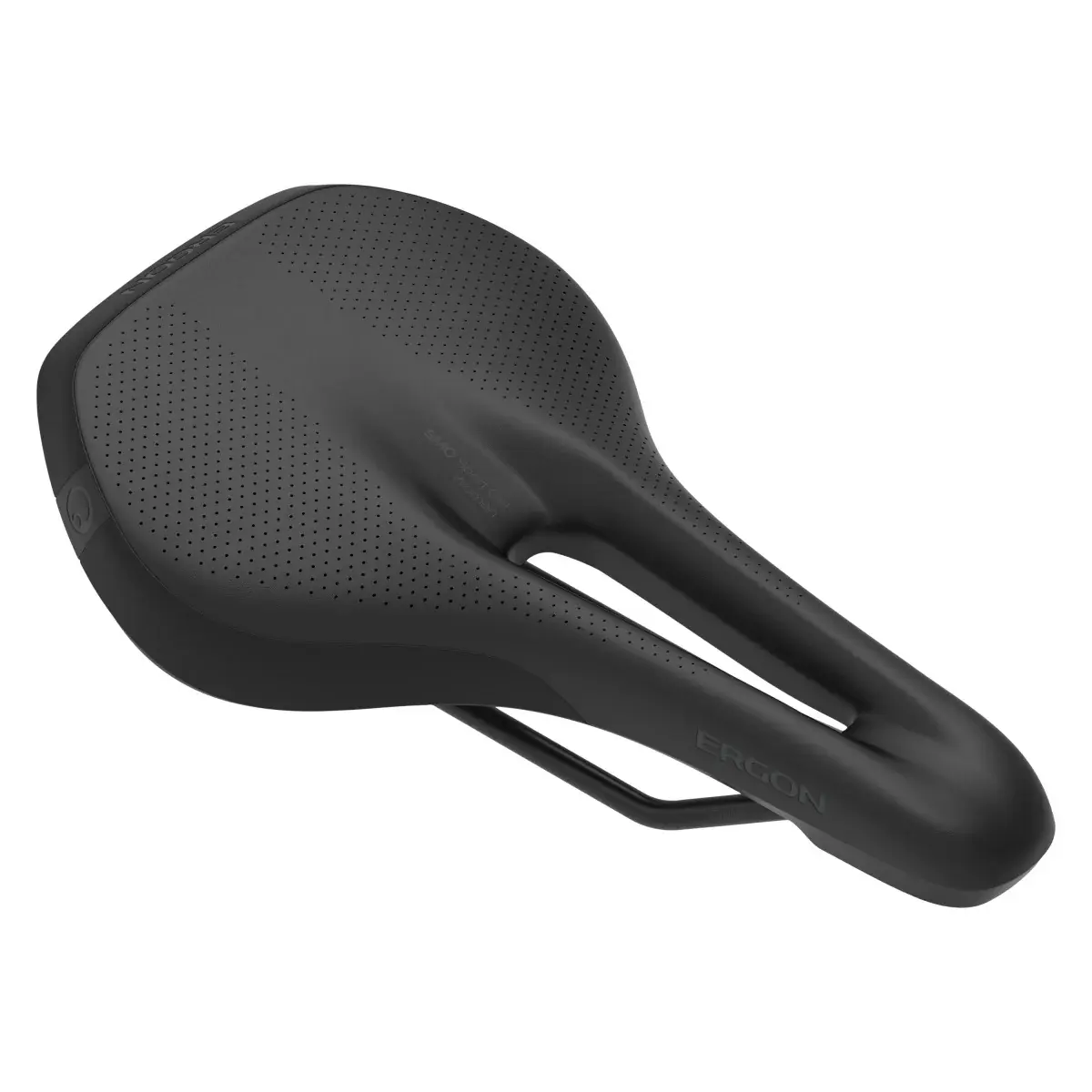
Ergon
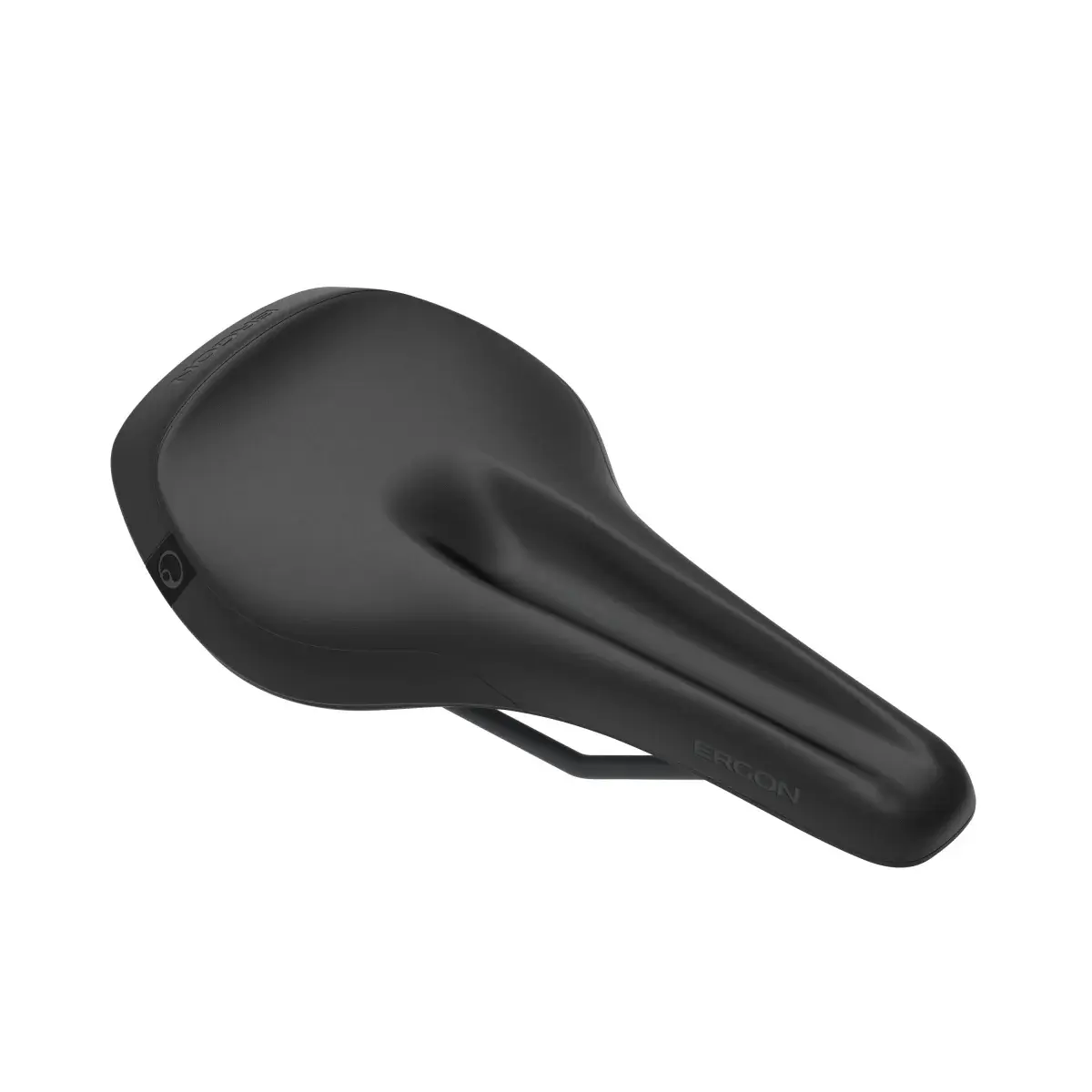
Ergon
Women's saddle SM E-Mountain Core Prime
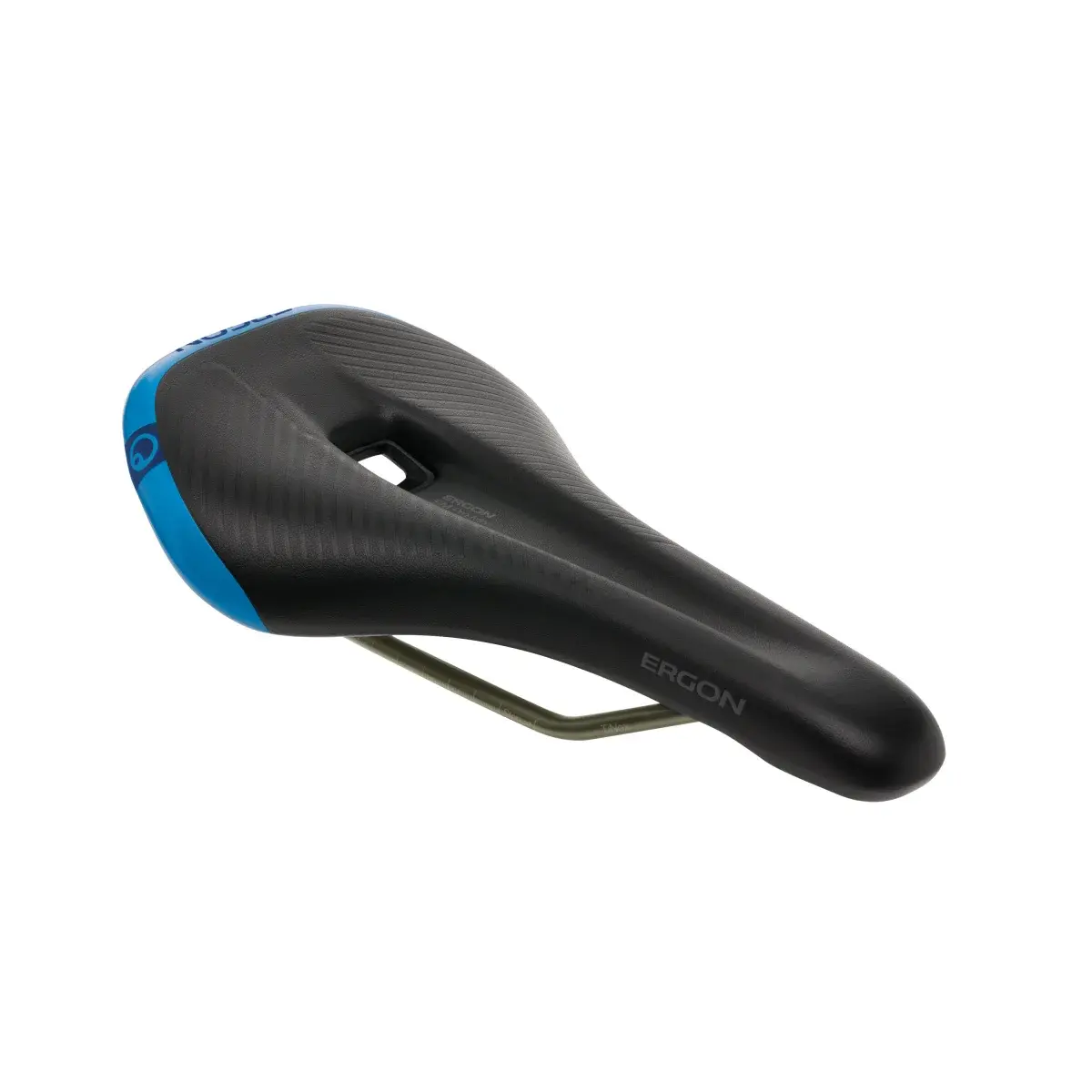
Ergon
Men's bike saddle SM Pro midsummer blue
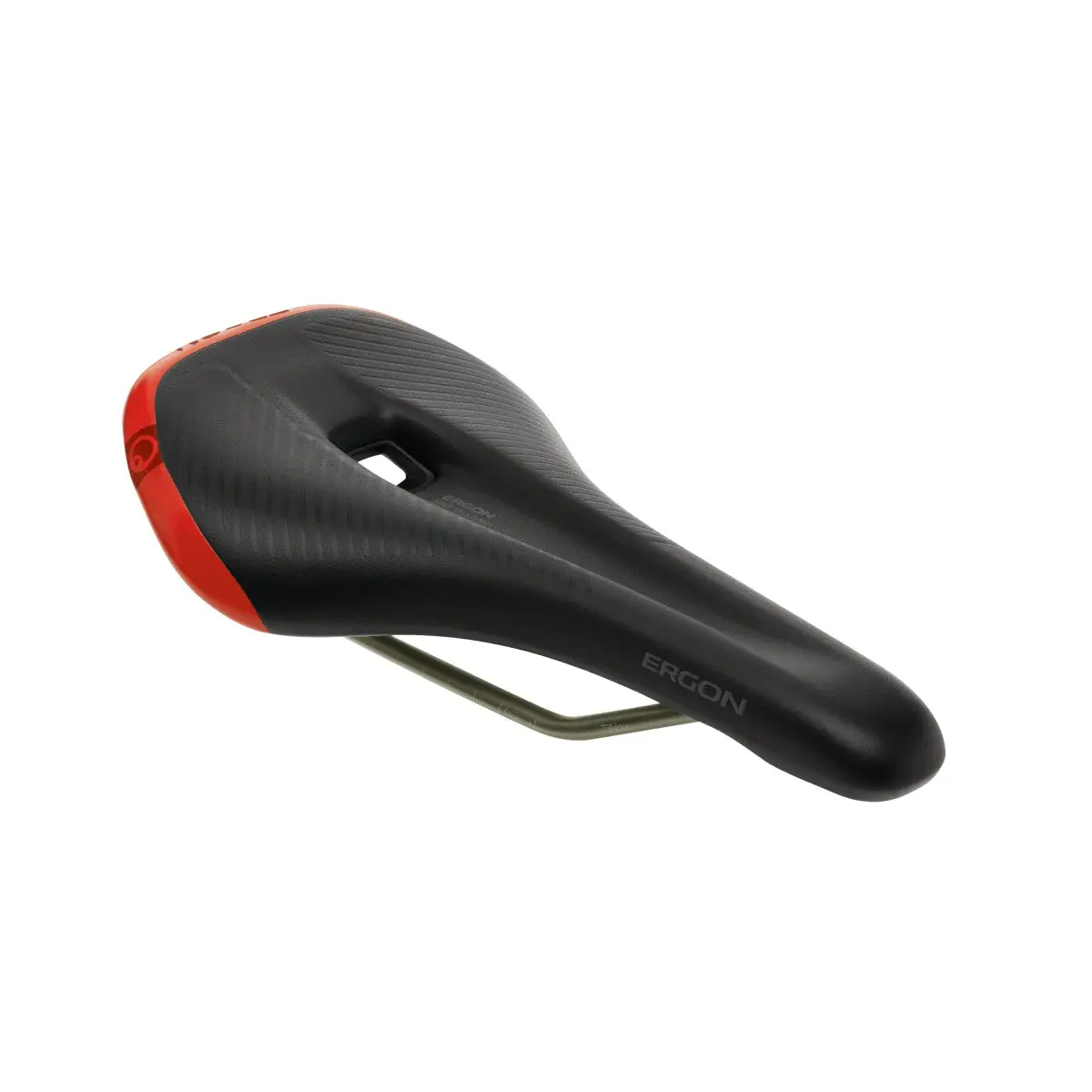
Ergon
Men's bike saddle SM Pro risky red

Ergon
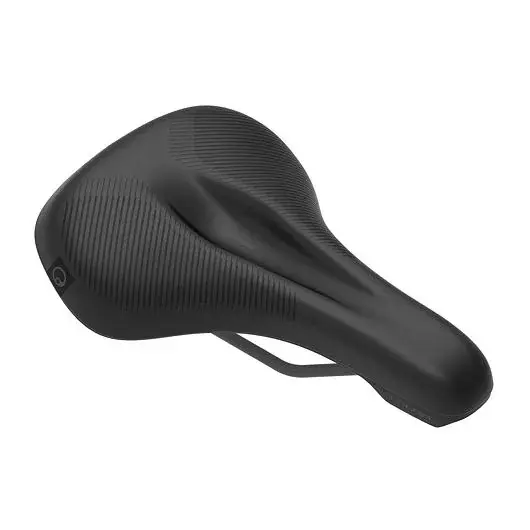
Ergon

Ergon
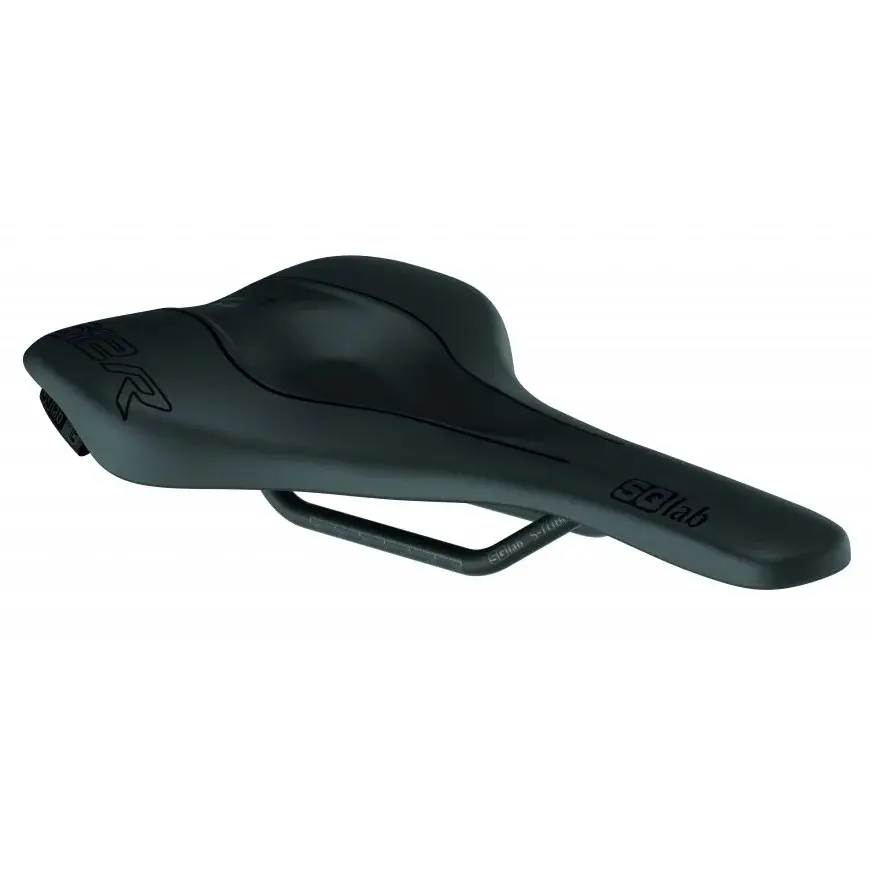
SQ Lab
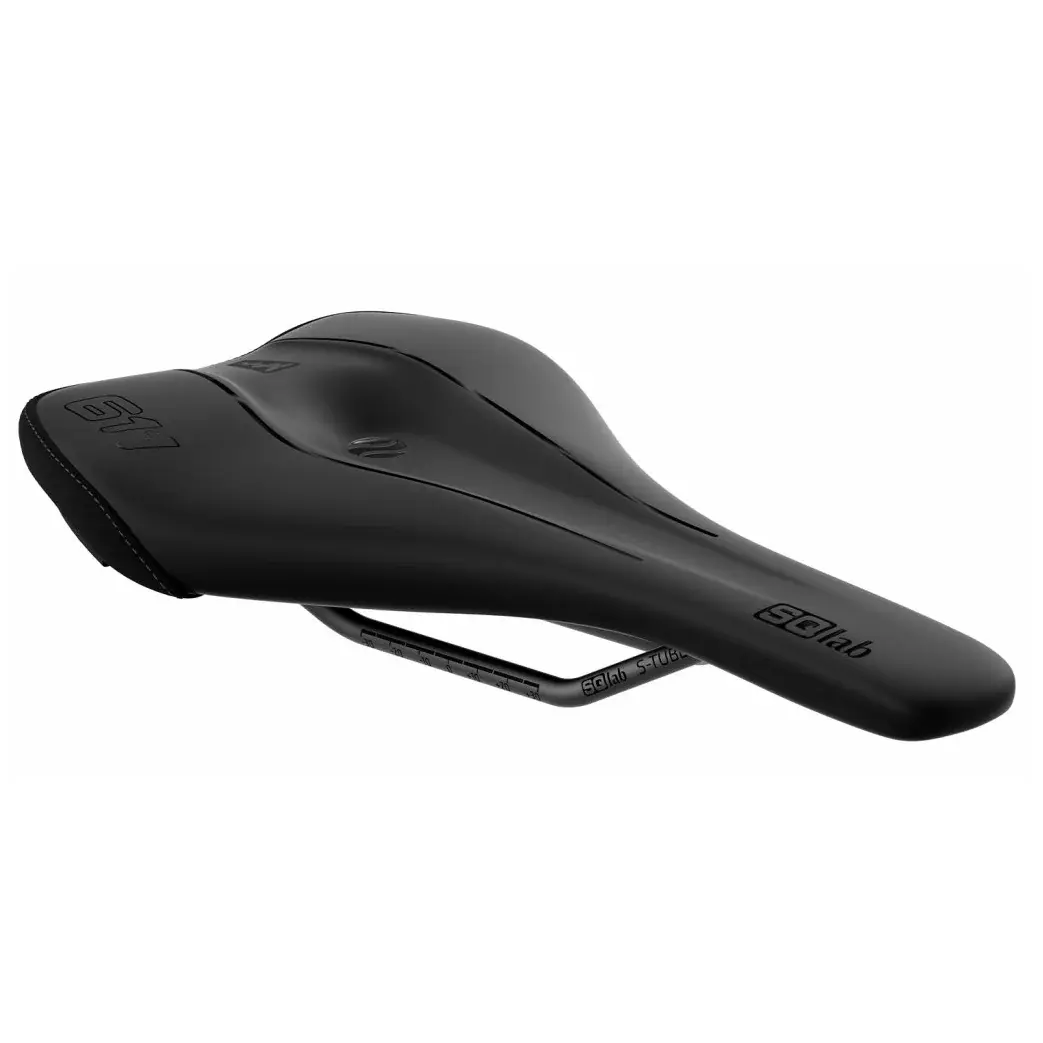
SQ Lab
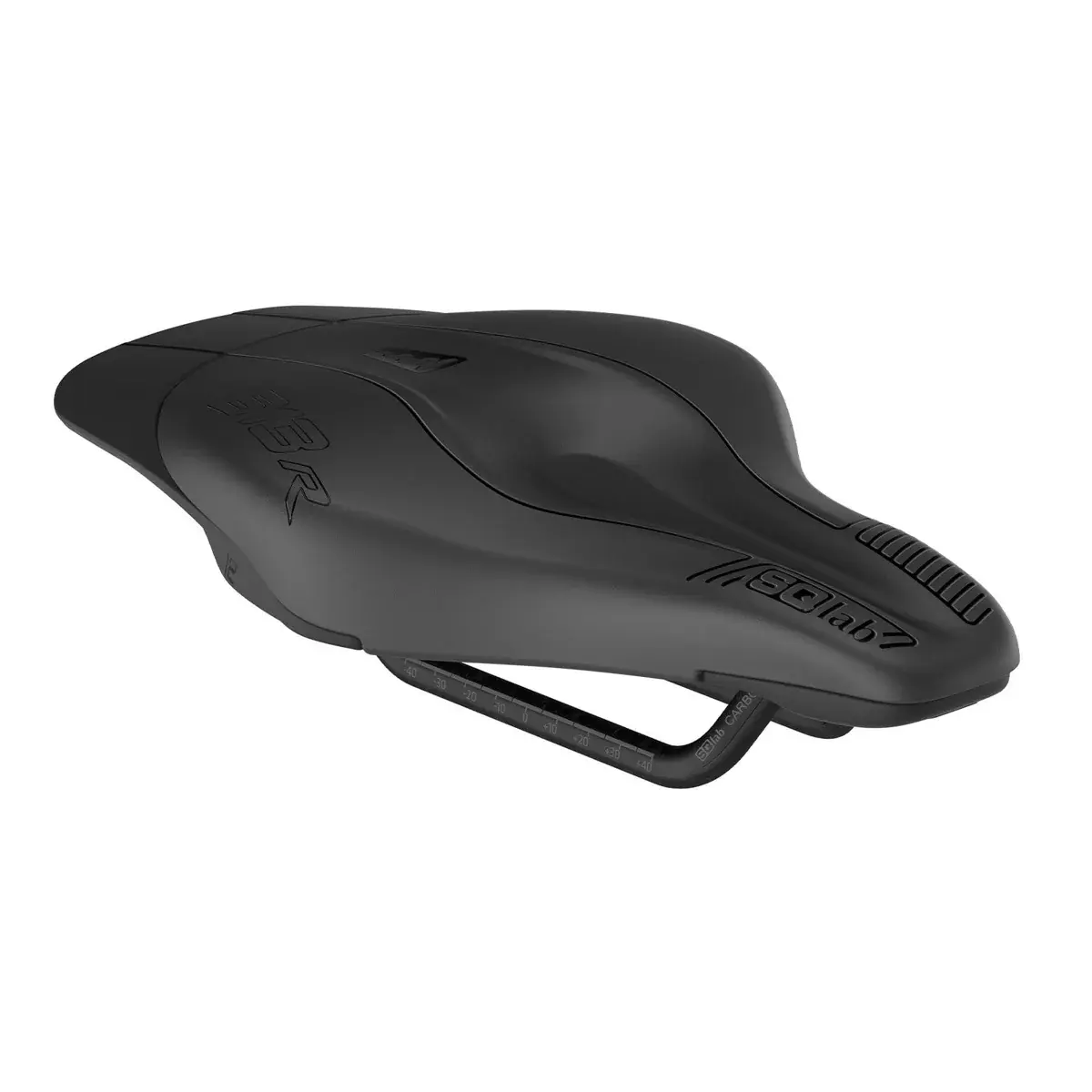
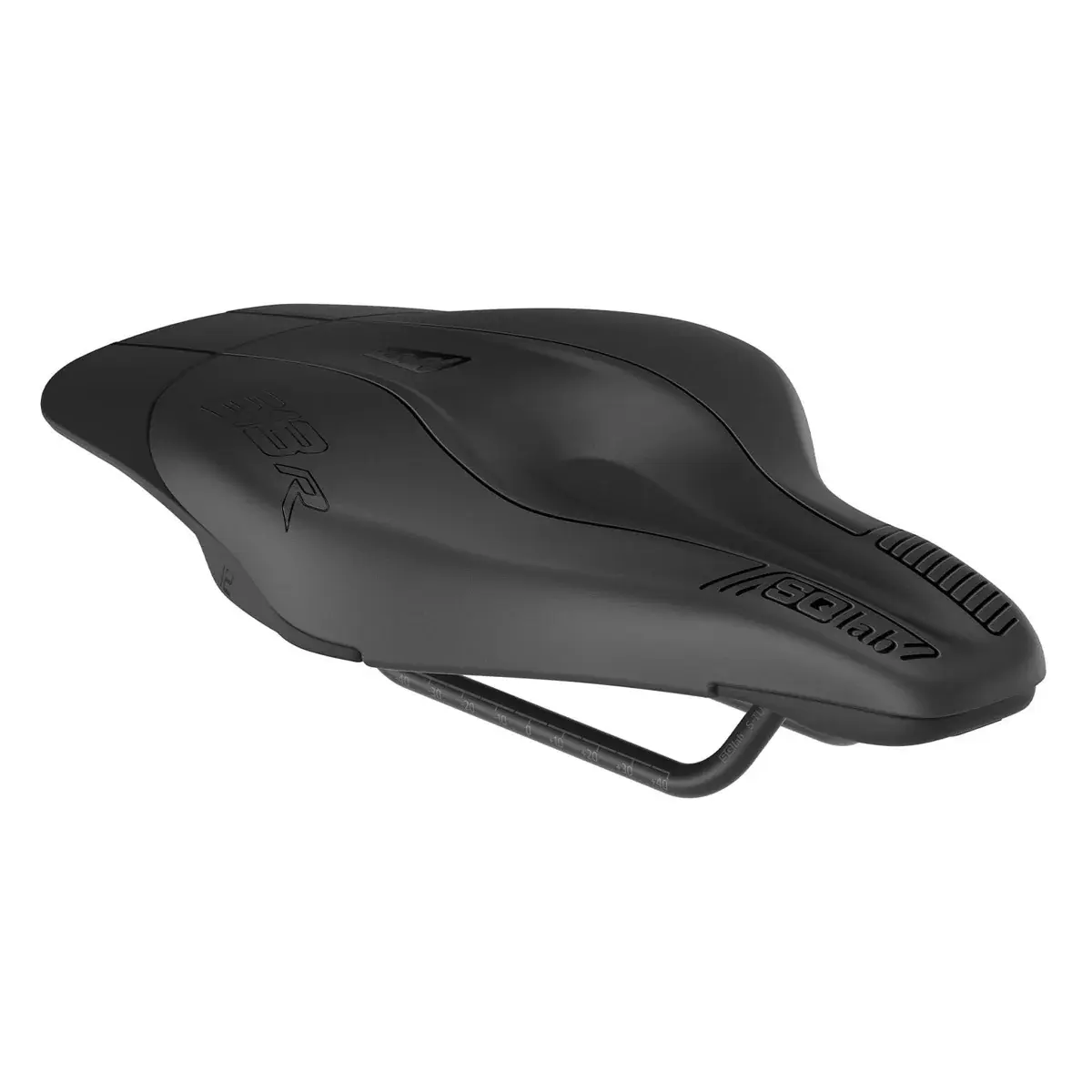
Saddle 611 Ergowave active 2.1 S-Tube
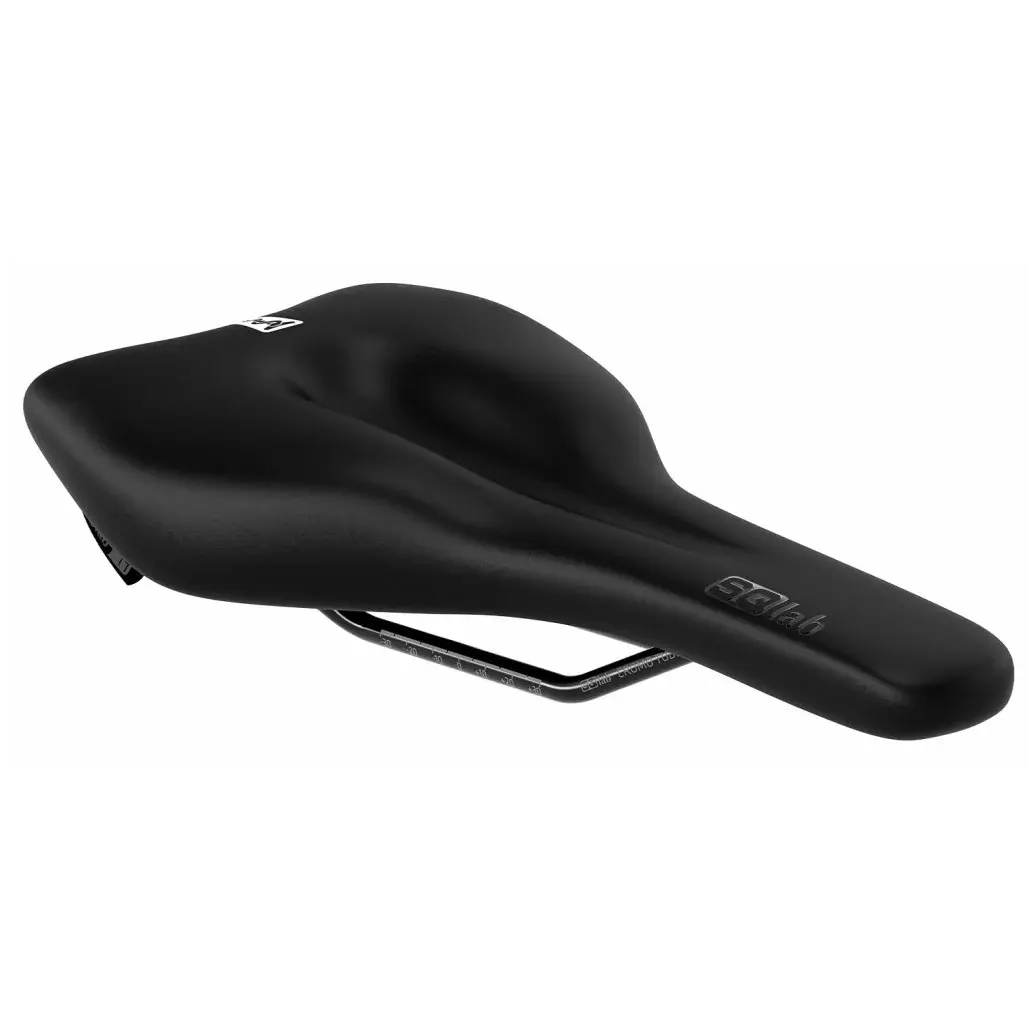
SQ Lab
SQ Lab
SQ Lab
Ergon
Women's saddle SM E-Mountain Pro Women
Ergon
Men's bike saddle SM E-Mountain Pro Men
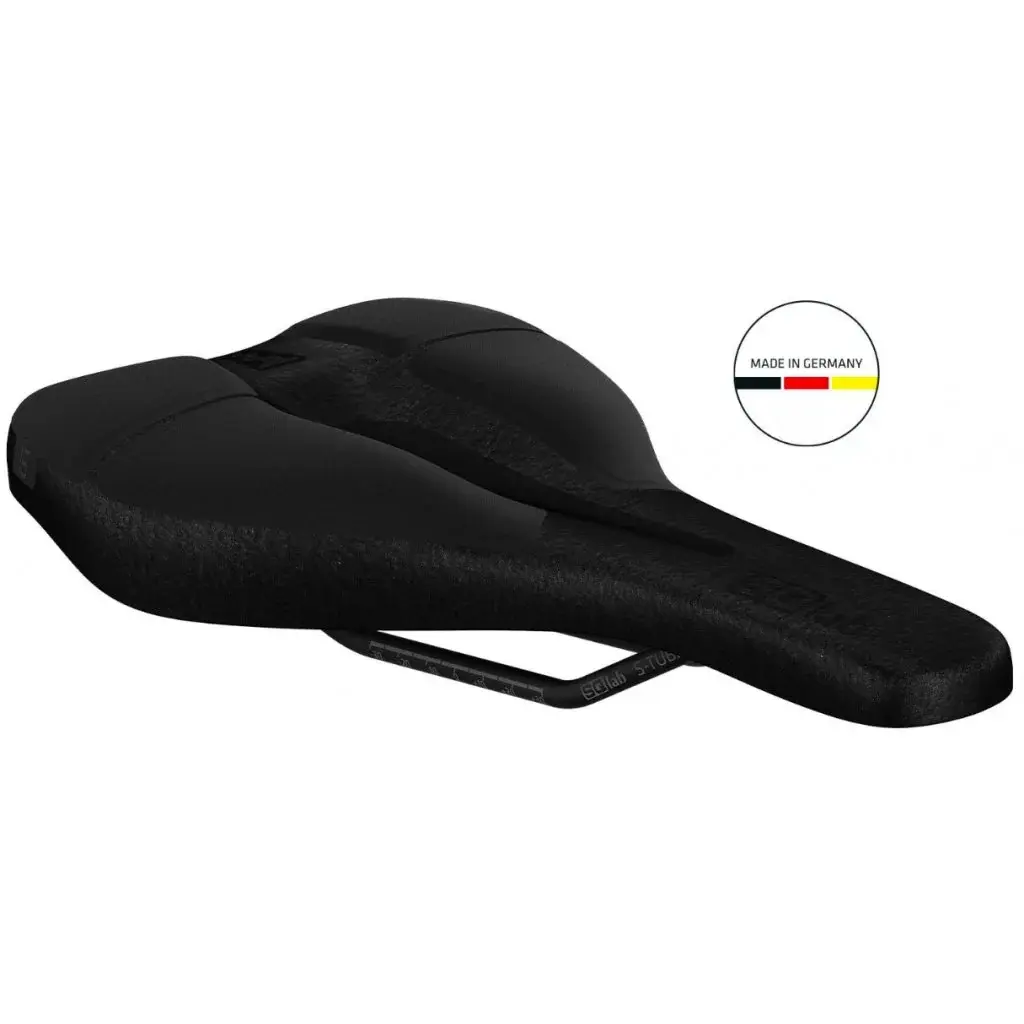
SQ Lab
Saddle 610 Infinergy M-D active 2.1
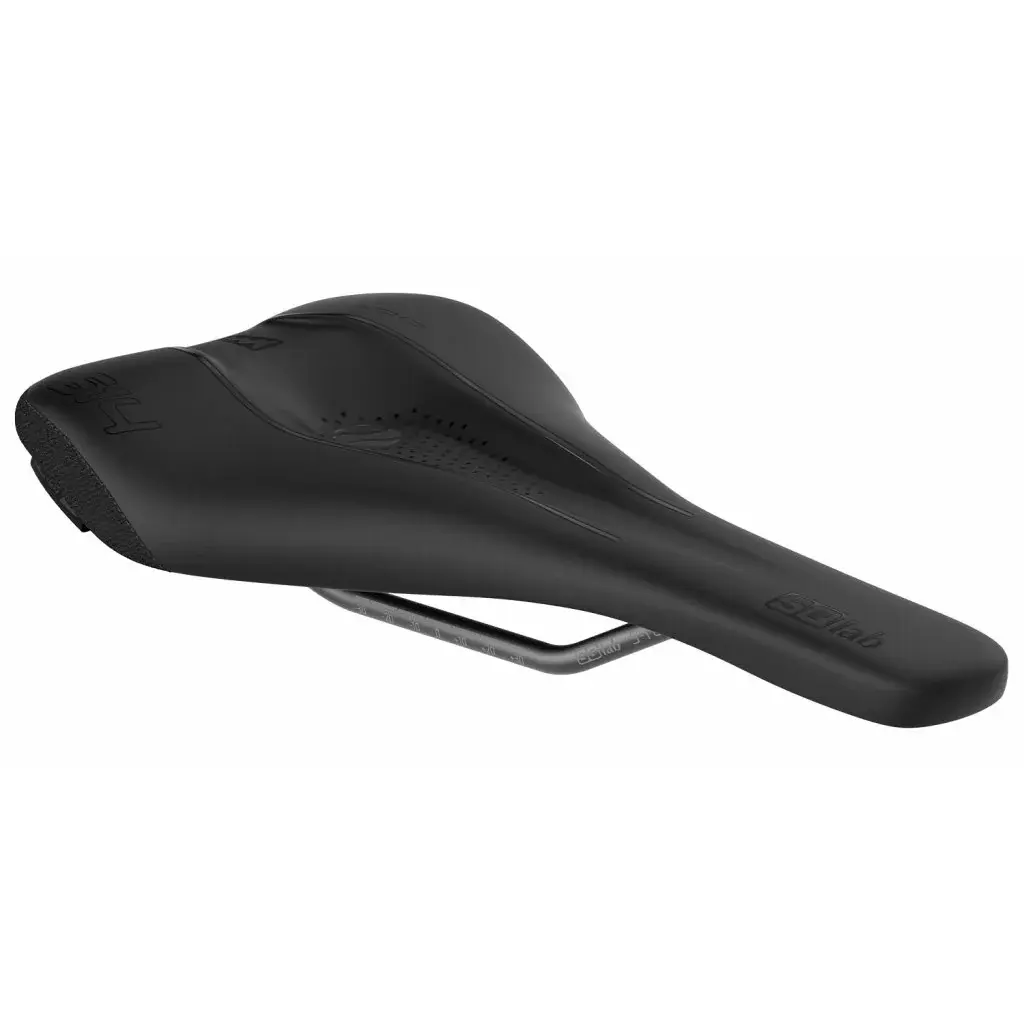
SQ Lab
Saddle 614 Ergowave active 2.1 gravel
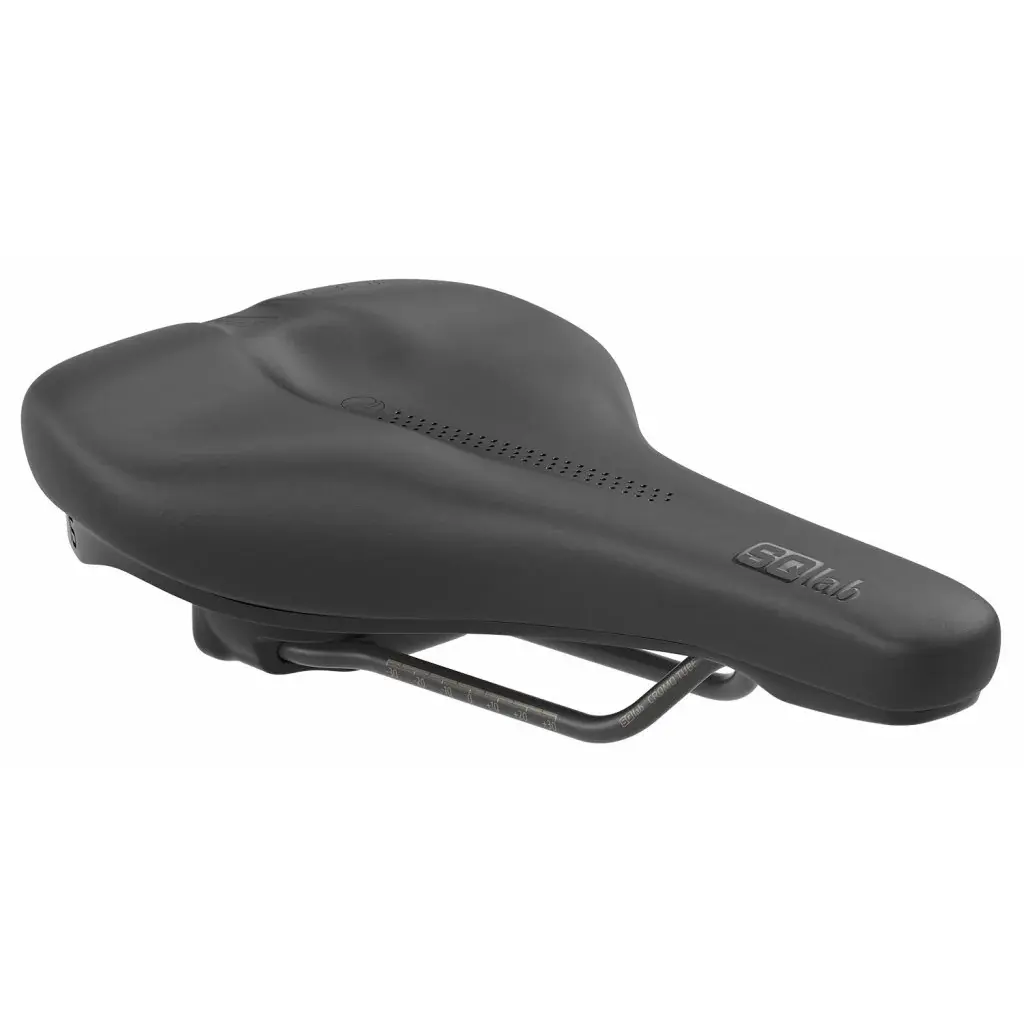
SQ Lab
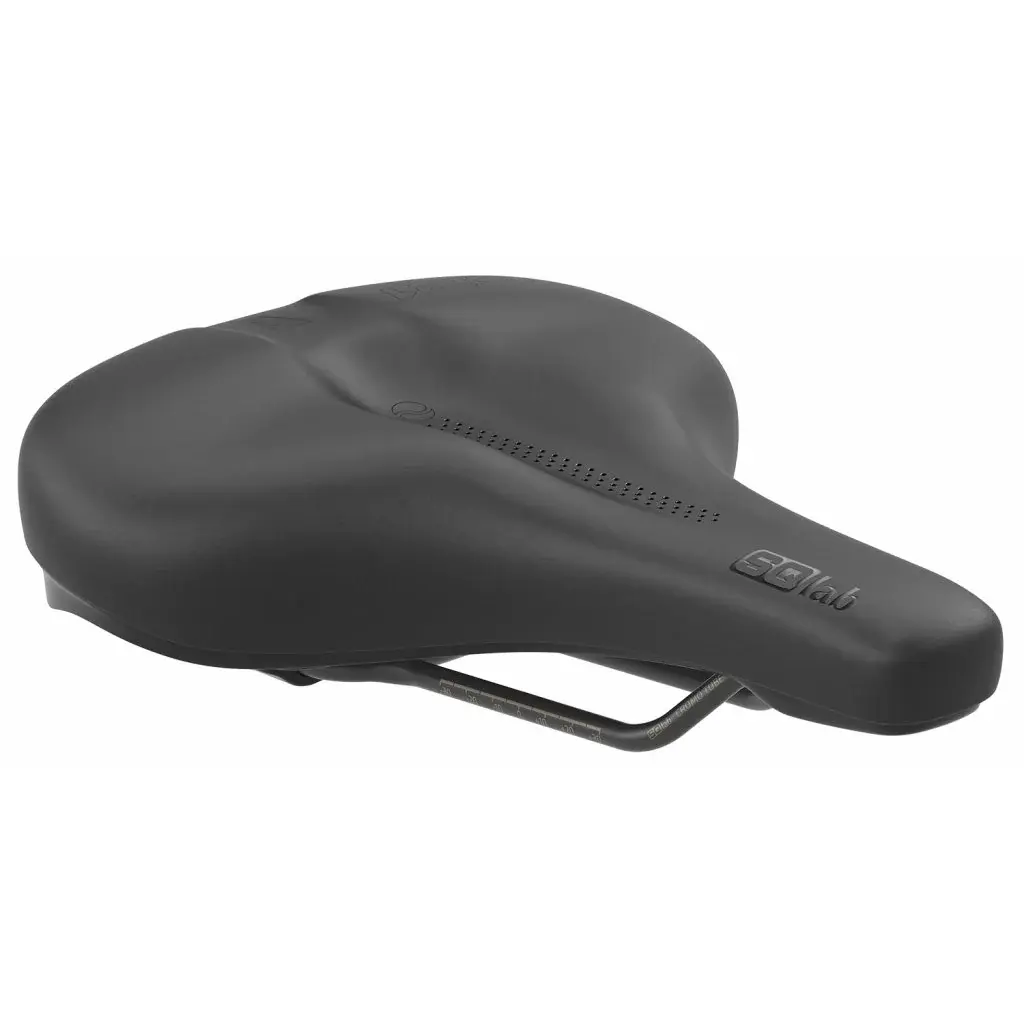
SQ Lab
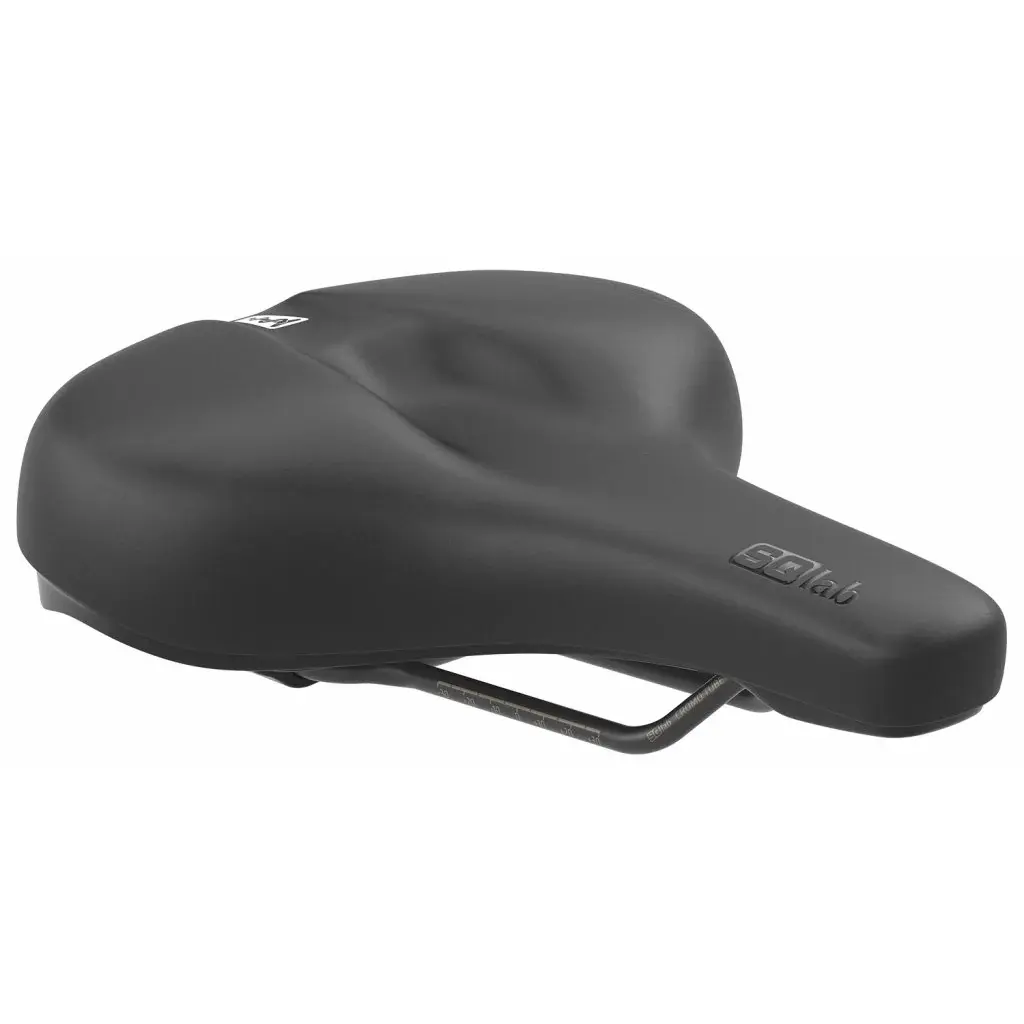
SQ Lab

Terry
Saddle Figura GTC Gel Men black
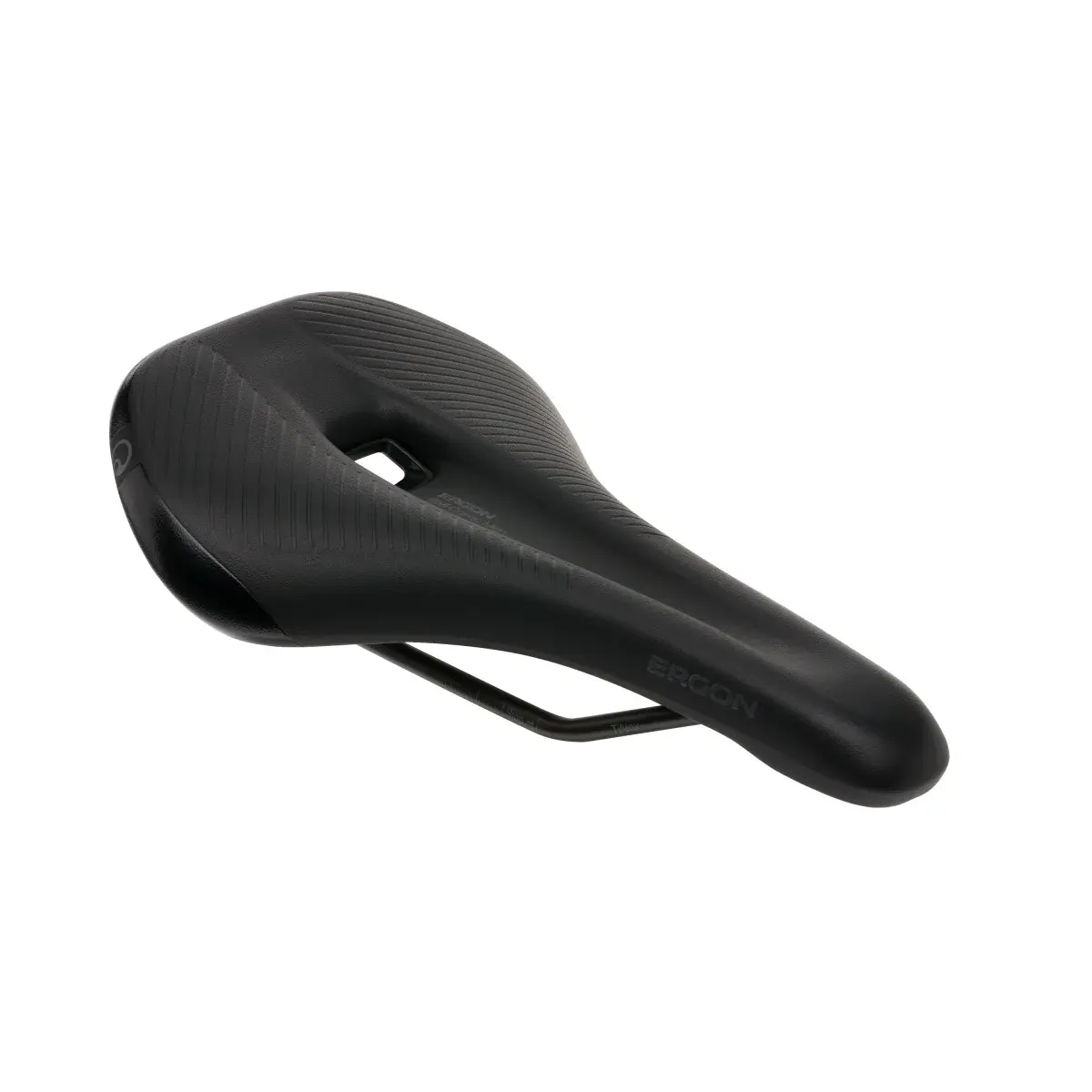
Ergon
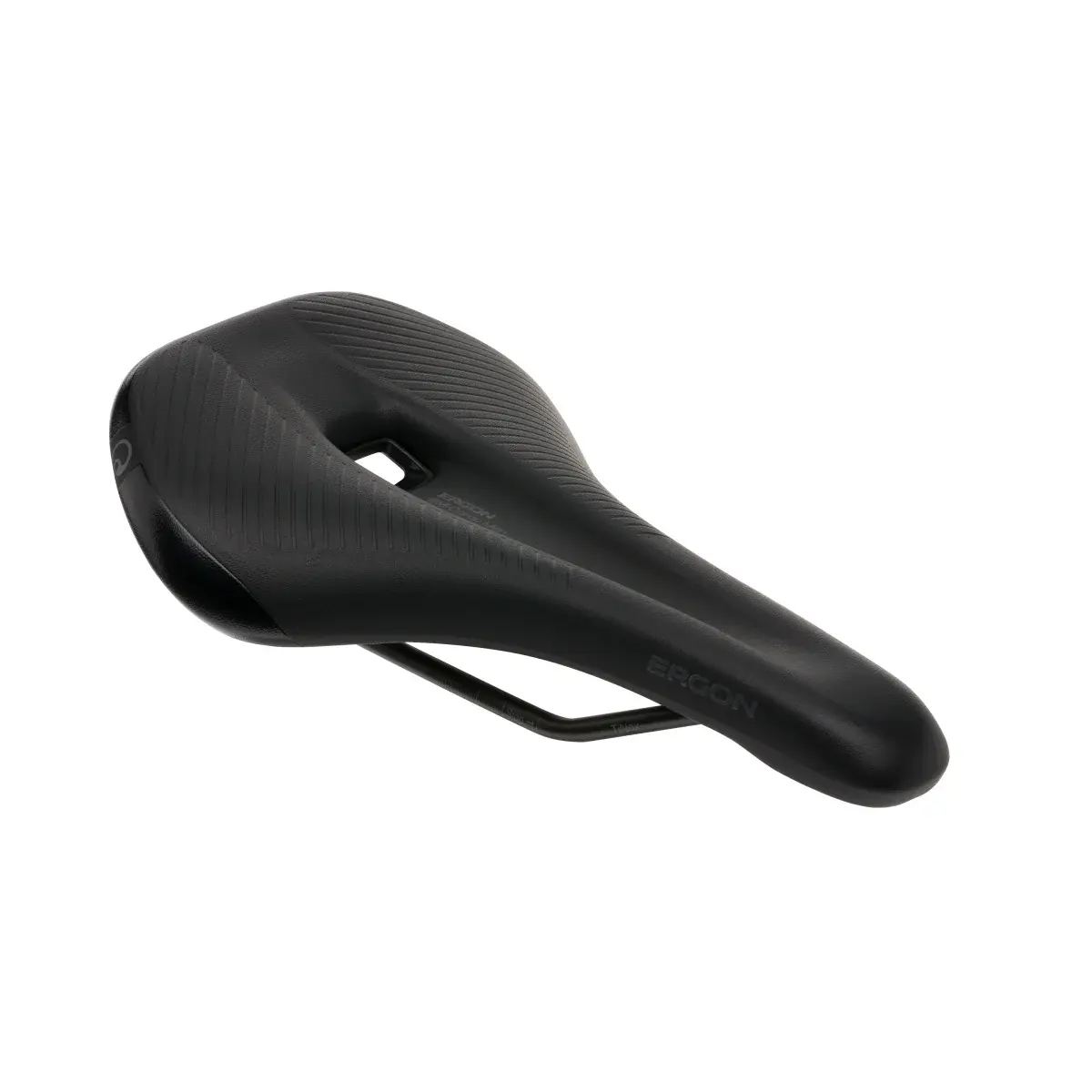
Ergon
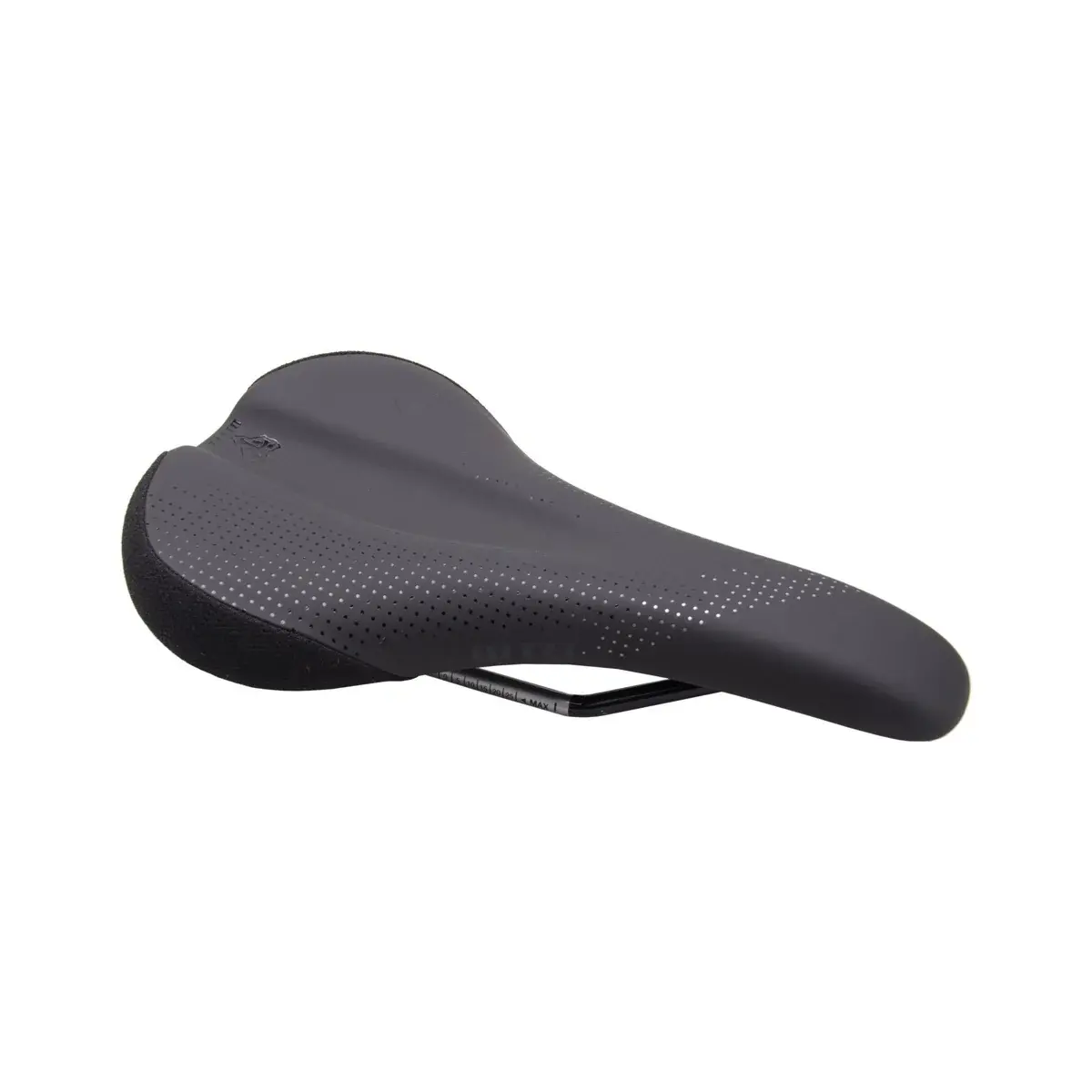
WTB
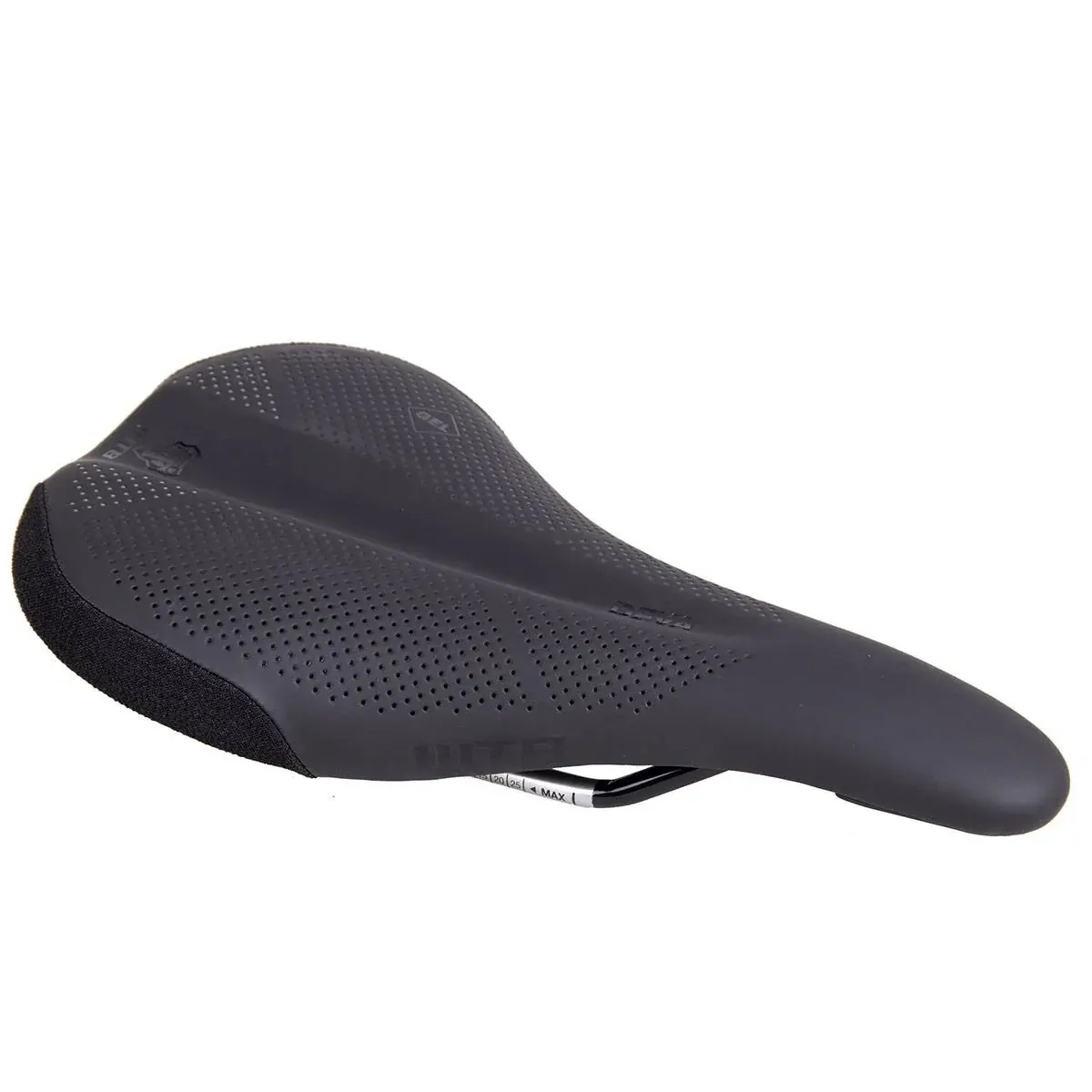
WTB
MTB saddle Deva Cromoly Medium
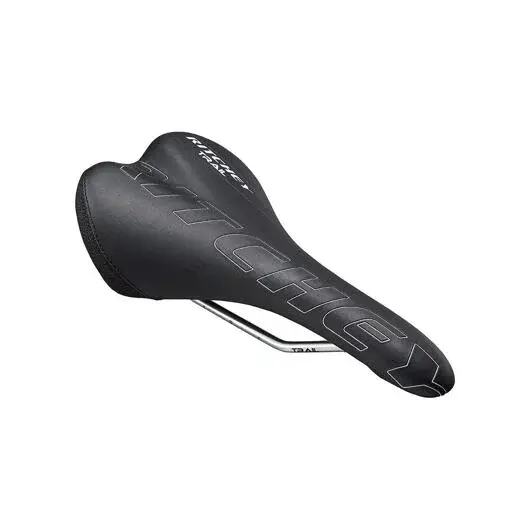
RITCHEY
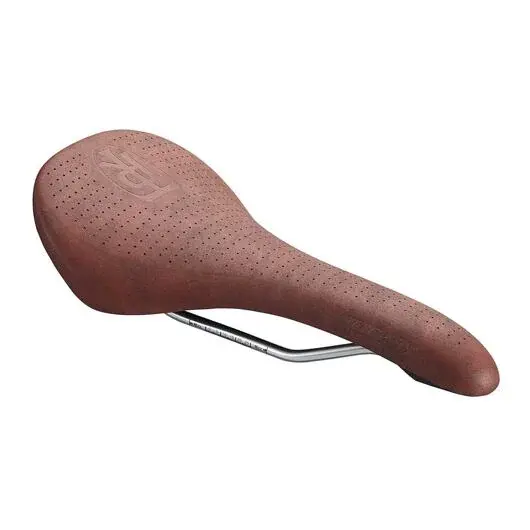
RITCHEY
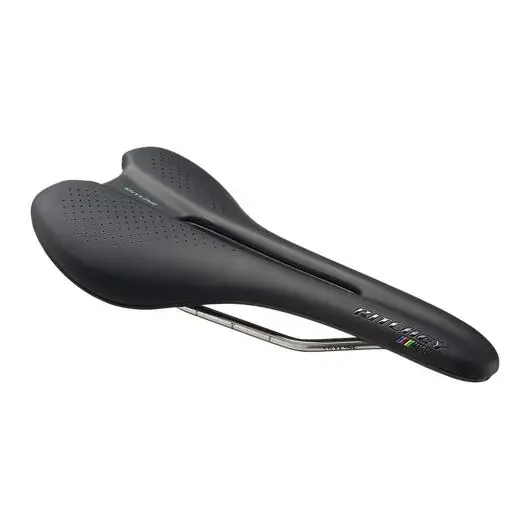
RITCHEY
Showing 1–72 of 72 products
Our gear specialists are here for you. We offer tailored advice for any adventure.
Contact an expert


