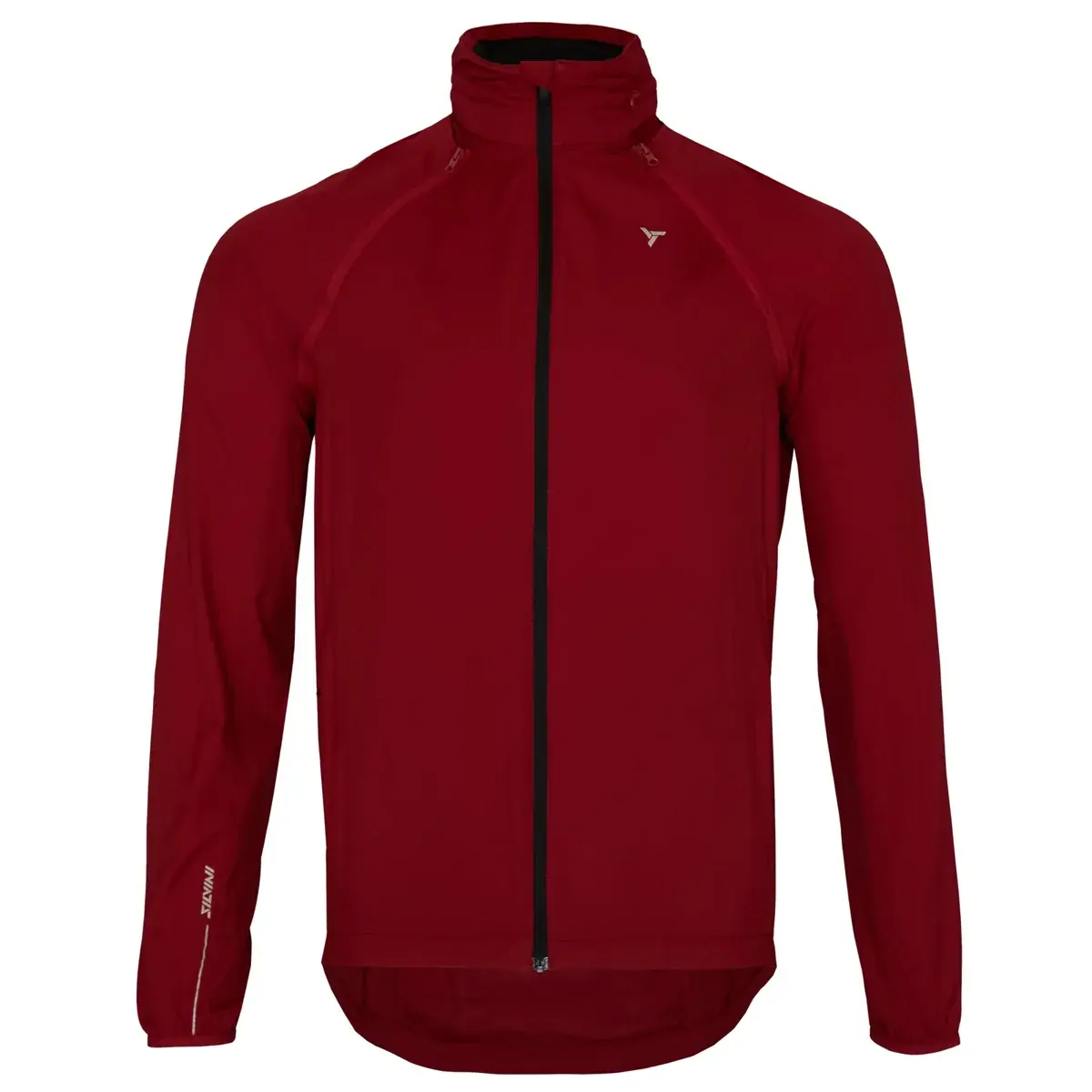
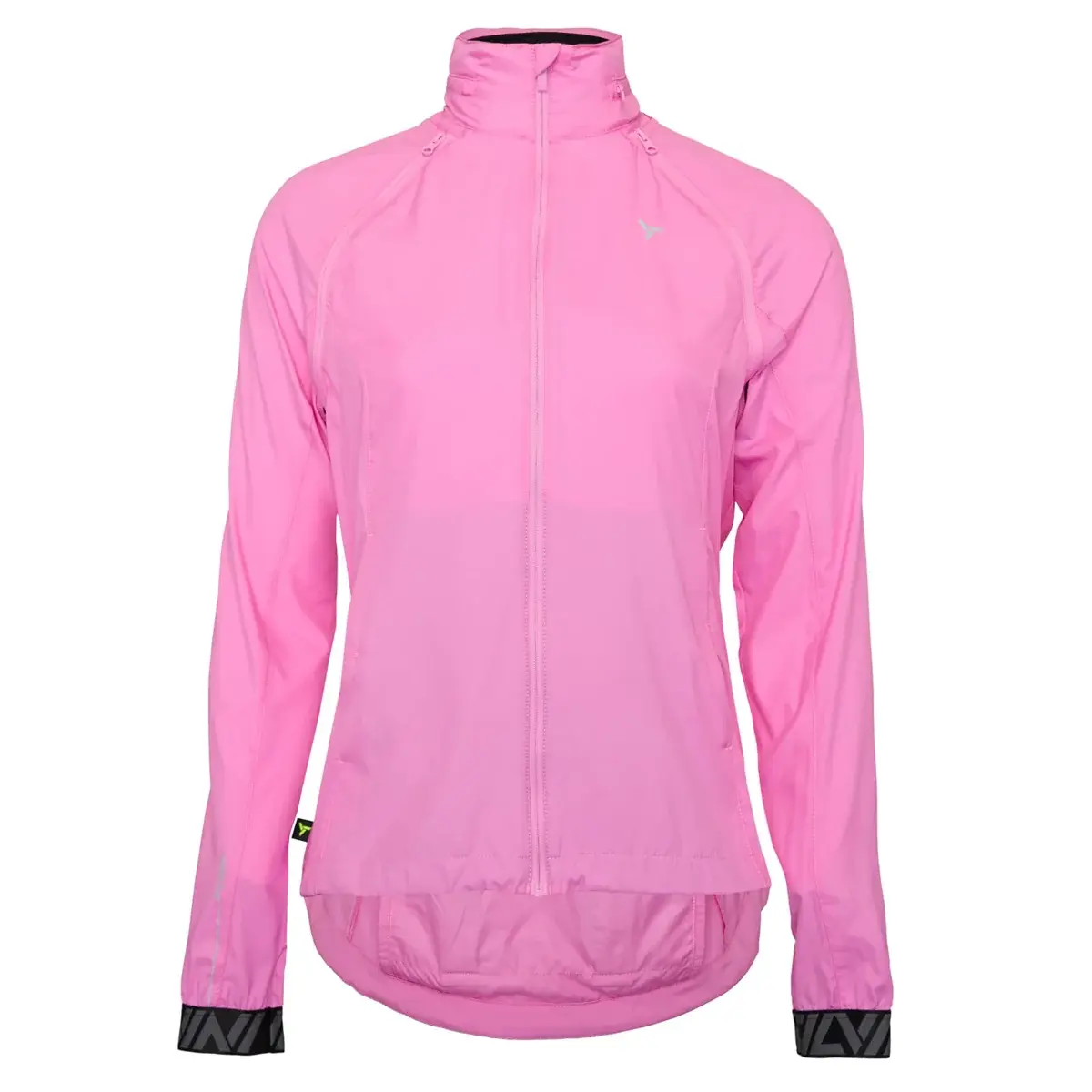
1. First step: What adventure awaits you?
Before you start choosing, think about what you need the jacket for. Different activities require different features:
- Via ferratas and climbing – a durable jacket with a fixed hood (ideally helmet-compatible) and a two-way zip that doesn't interfere with a climbing harness.
- Mountain hiking and treks – a lightweight membrane jacket that is waterproof but breathable at the same time.
- Running and cycling – ultralight, windproof jackets that are easily packable into a pocket.
- Easy walks and the city – there's no need to spend money on a membrane, you'll appreciate plenty of pockets and a stylish fit more.
And now let's look at the main technologies and materials that make an outdoor jacket what it is!
2. Waterproofness, breathability, and wind resistance: The key to comfort
A jacket must withstand rain, wick away sweat, and protect against the wind. But how do you make sense of it all?
Waterproofness – hydrostatic head is your friend!
It indicates the height of the water column the material can withstand before it starts to leak. The higher the number, the better:
- 3 000–5 000 mm – suitable for the city and easy trips.
- 10 000 mm – ideal for hiking and the mountains.
- 20 000 mm and more – extreme conditions, prolonged exposure to rain, alpine hiking.
Tip: Taped seams and water-resistant zips are a must-have, otherwise water will leak through right there!
Breathability – so you don't boil in your own jacket!
Breathability is measured in grams of water vapour passing through per 24 hours (g/m²/24h). The higher the number, the better it wicks away sweat.
- 5 000 g/m²/24h – basic breathability for everyday wear.
- 10 000 g/m²/24h – ideal for mountain hiking.
- 20 000+ g/m²/24h – a great choice for active sports, such as running or ski touring.
Tip: Jackets with underarm ventilation zips help regulate temperature during movement!
Wind? An uninvited guest!
Not all waterproof jackets are windproof. If you're heading into harsh weather, go for a membrane that will protect you against both wind and rain.
3. Softshell, membrane, or hybrid? Which material to choose?
The material of the jacket determines its functionality. Let's look at the three main types:
- Softshell – stretchy, comfortable, breathes well. Suitable for dry and windy conditions. It is not waterproof, but with a DWR finish it can withstand drizzle for a short time.
- Membrane jacket – the absolute queen of waterproofness! It uses porous membranes (e.g. Gore-Tex, Climatic, Resstex) that don't let water through, but allow sweat to escape.
- Hybrid jackets – combine multiple materials for optimal performance. For example, an insulated front panel and breathable side panels ensure great comfort during active movement.
4. Proper layering – the foundation of an outdoor outfit
It's not just about the jacket! To stay warm and dry, you have to layer:
- Base layer (thermal underwear) – wicks sweat away from the body (Merino wool, synthetics).
- Insulating layer – traps heat (fleece, down or synthetic jacket).
- Outer layer (jacket) – protects against rain and wind (softshell, membrane).
Tip: Layer up more in winter, less in summer – a simple rule that keeps you comfortable!
5. Details not to forget
- Hood – should be adjustable, ideally helmet-compatible.
- Pockets – side pockets positioned higher up are ideal for climbing activities.
- Ventilation – underarm zips = better ventilation.
- Zip and collar – a high-quality zip protects against the wind blowing through, the collar should be high enough.
6. Trend: ultralight jackets
The lighter the jacket, the more packable it is. Ultralight jackets weigh around 100–300 g, but watch out – as the weight drops, abrasion resistance and elaborate technical details often decrease. If you're planning tough expeditions, don't skimp on durability!
Summary: How to choose the right jacket?
- For via ferratas and climbing – a durable membrane jacket with a helmet-compatible hood
- For hiking and treks – a breathable membrane jacket, ideally 10 000 mm+
- For running and cycling – an ultralight, windproof jacket
- For the city and walks – a softshell or lightweight waterproof jacket
Whether you're setting off on a mountain trek or just walking the dog in the rain, the right outdoor jacket will ensure your comfort and protection in any weather. You can find all types in our online shop. So which one will be yours?
Back to blog