1. Choose the right time and route
- Morning: it is usually coolest around sunrise. A morning run is the most pleasant in summer.
- Evening: it stays light for a long time, but the air is still warm, and the tarmac and concrete radiate the heat they have absorbed during the day.
- Midday and afternoon: skip these on hot days. The sun beats down the hardest and the heat is at its peak.
- Shade: run in the forest, in a park, or along the water. Even in summer, a forest path is several degrees cooler than a baking housing estate.
- Water on the route: plan your loop around a drinking fountain or places where you can refill your bottle.
2. Give your body time to acclimatise
Your body gets used to the heat gradually, taking about a week or two. It will start to sweat earlier and your heart rate won't spike as much at the same level of exertion. For the first hot days, shorten your route and slow down. Your body will learn to tolerate the heat, but not in a single day.
3. Slow down and run by feel
- Leave the pace at home. In the heat, your heart rate is higher at the same pace. Run by feel or by heart rate, not by a watch with a target pace.
- Shorten your run and move a demanding training session (intervals, long run) to a cooler morning or day.
- Listen to your body. If you don't feel well, walk or stop running. Today's training is not worth getting heatstroke.
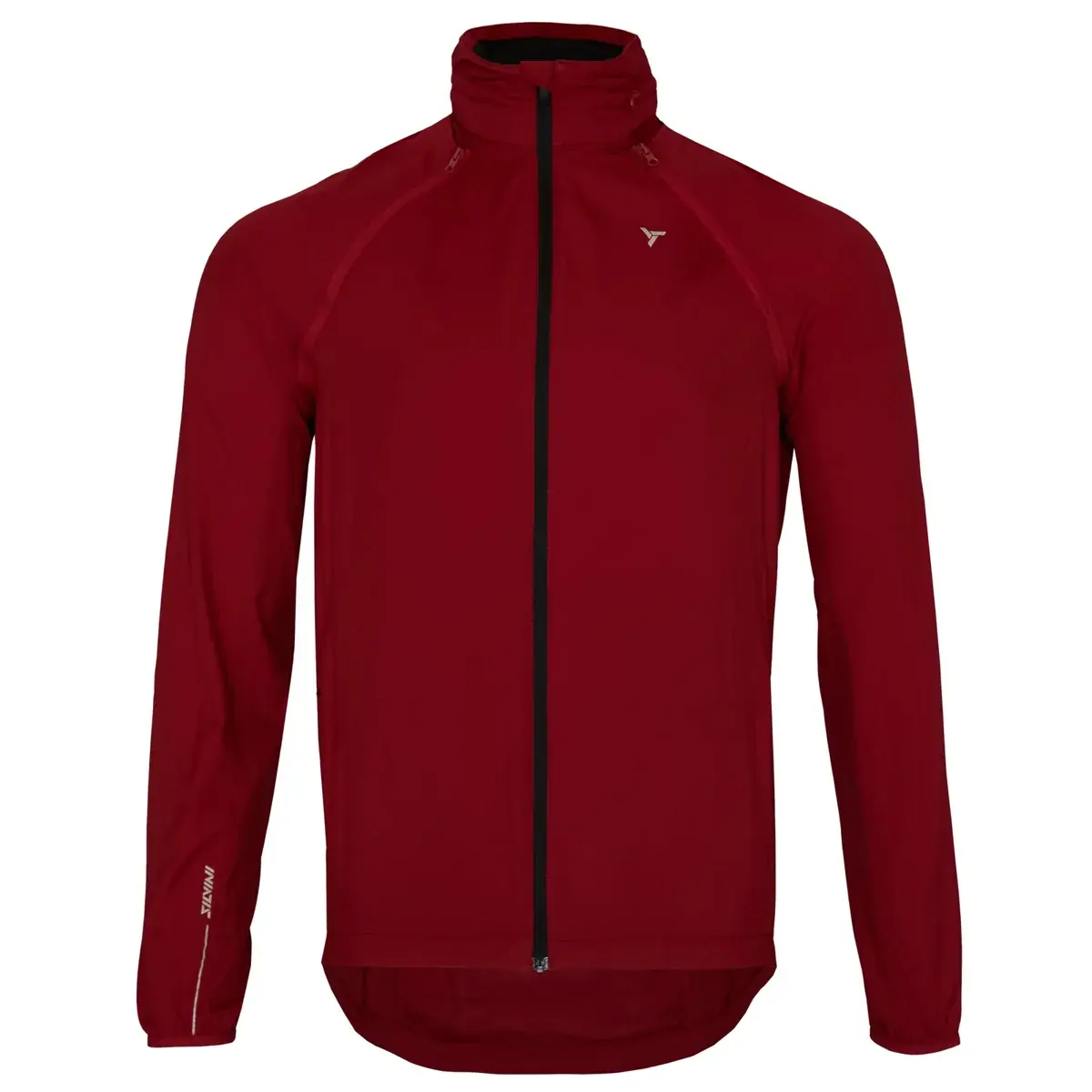
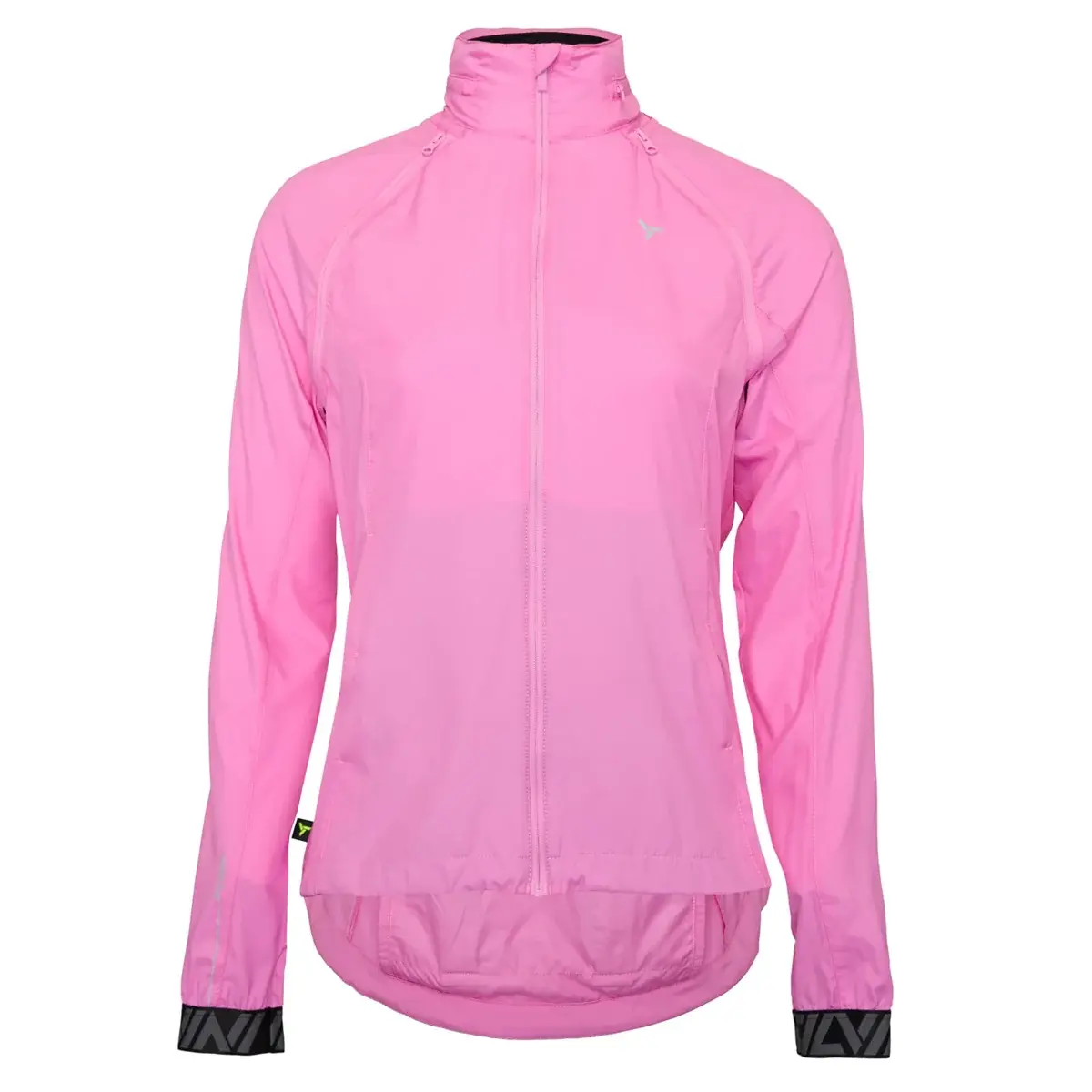
4. Clothing: lightweight, light-coloured, technical
- Technical fabric: synthetics or thin Merino wick sweat away from the skin and dry quickly. Cotton absorbs it, gets heavy, and chafes.
- Light colours reflect the sun, dark ones absorb it.
- A looser fit and mesh (mesh) panels let air reach your body.
- Cap or headband: a peak protects your face and eyes, a headband stops sweat from running into your eyes. You can soak a cap in water to cool you down.
- Socks: technical socks keep your feet drier. A wet foot gets chafed more easily and develops blisters.
- Chafing: you sweat more in the heat, and sweat with salt chafes the skin on the inner thighs, in the armpits, and under the straps. Anti-chafing cream or tight-fitting shorts will help.
We describe how to layer clothing in the article How to choose and layer base layers.
5. Drinking
- Drink all day, not just before the run. Do not head out into a hot day already feeling thirsty.
- Short run: for a shorter run, it is usually enough to drink well before and after it. However, in the heat, take water with you even for a shorter loop.
- Longer run: drink continuously in small sips, according to your thirst.
- Minerals: salt is lost with sweat. For a run lasting more than an hour and when sweating heavily, do not just drink plain water, but also a sports drink or water with an electrolyte tablet. Overdoing it with plain water is not good either.
- After the run: replenish fluids and salt, perhaps with food or mineral water.
How to carry water:
- handheld bottle with a strap for a short run
- running bum bag for a smaller bottle, mobile, and keys
- running vest with soft flasks on the chest or a hydration bladder for longer and trail runs where you can't refill water along the way
You can find more bottles and bladders in the hydration for runners section.
6. Protect your skin and eyes
- Sun cream with a high SPF should be applied before the run. Choose a waterproof one so that sweat doesn't wash it off immediately. Don't forget your neck, ears, and shoulders.
- Sunglasses with a UV filter protect your eyes from UV radiation, and you won't have to squint the whole time. Lightweight glasses that don't slip even when you are sweaty are suitable for running. You can find them among running accessories.
- Ticks: they are most active in the summer in the forest, tall grass, and bushes. Check yourself after a run. We write about how to protect yourself from them in the article Ticks – unwelcome companions on our journeys.
7. Cooling down during the run
- Soak your cap, bandana, or snood in cold water.
- At a drinking fountain, pour water over your head, the back of your neck, and your forearms.
- Run part of the way in the shade, even at the cost of a longer loop.
8. When to stop running immediately
The signs of overheating are:
- you feel dizzy, have a headache, or feel sick
- you get goosebumps in the heat or feel cold
- you stop sweating even though it is hot
- you find it hard to concentrate and lose track of where you are
If you experience any of these symptoms, stop running, go into the shade, cool yourself with water, and have a drink. If a person is confused or even loses consciousness, call the emergency services on 999 or 112.
9. After the run
- Cool down: a shower, shade, a cold drink.
- Replenish fluids and food.
- Get some sleep. Hot nights worsen sleep and with it recovery, so expect some easier days in summer.
- Wash sweaty clothes as soon as possible. Synthetics hold odour, and sweat shouldn't stay on them until the next day.
Range: running clothing · running shoes · caps · headbands and bandanas · hydration · running vests · sunglasses · running nutrition
Back to blog