If you are planning to start climbing outdoors, you will need specific gear for outdoor conditions to help ensure your safety and comfort. We have put together a list of gear that is good to have:
1. Climbing shoes
- they are essential, but for outdoor terrain, climbing shoes with a more durable sole and better grip on natural rock are more suitable
Tip: It is better to buy your first climbing shoes in a specialist shop rather than online, where they can advise you and choose the most suitable ones. You can also find suitable climbing shoes in our range of climbing shoes. For sandstone climbing, it is better to choose climbing shoes with a softer sole, while for granite and other solid surfaces, climbing shoes with a harder sole are more suitable.
2. Harness (climbing harness)
- it is important for safety when climbing to great heights. The climber ties into the rope through it, and it protects them during a fall. It must fit perfectly, not restrict movement and be comfortable even when sitting in it for a long time.
Tip: Choose a comfortable and well-fitting harness, as you will spend more time on the rock than on an indoor wall. You can find all models in our range of harnesses.
3. Climbing rope
- on rock, a rope is essential for belaying. A rope with a surface treatment is best suited for outdoor conditions.
Tip: The length of the rope depends on the area where you climb, but ropes around 60 to 80 metres long are mostly used. To start with, you can borrow a rope from more experienced climbers or a climbing centre.
4. Carabiners and quickdraws
- a carabiner is used to connect various parts of climbing gear (such as a rope, a harness, or a belay device). Climbing quickdraws are two carabiners connected by a sling, which are used for running belays on the rock.
Tip: High-quality carabiners that are resistant to wear and tear are used for rock climbing. Make sure you have at least several quickdraw sets and carabiners for belaying.
5. Helmet
- it is absolutely essential for safety when climbing outdoors, as you can encounter falling rocks or unexpected accidents.
Tip: Choose a helmet that is comfortable, fits well and has good ventilation for better comfort during long climbs.
6. Belay devices
- various belay devices are used on rock. Semi-automatic belay devices that block a fall themselves are ideal for beginners, as well as tubular belay devices with a guide mode, which allow belaying a second climber directly from the belay station
Tip: If you are planning to climb with a partner and need a belay device, it is better to have your own and thus have control over the whole process. It is ideal to have at least 2 belay devices, e.g. a figure eight descender.
7. Chalk and chalk bag
- chalk helps keep your hands dry and improves grip. It is common for hands to sweat on the rock, so chalk is a necessity.
Tip: A chalk bag keeps your chalk in one place and within easy reach
8. Climbing backpack
- you will carry all your gear, food, water and other necessities in your backpack. It should be ergonomic and comfortable, as you will have it on your back during transitions between sectors.
Tip: The backpack should be durable, have enough volume for everything you need, but shouldn't be too heavy. A climbing backpack is often equipped with a place to attach a rope, and do not forget a rope tarp.
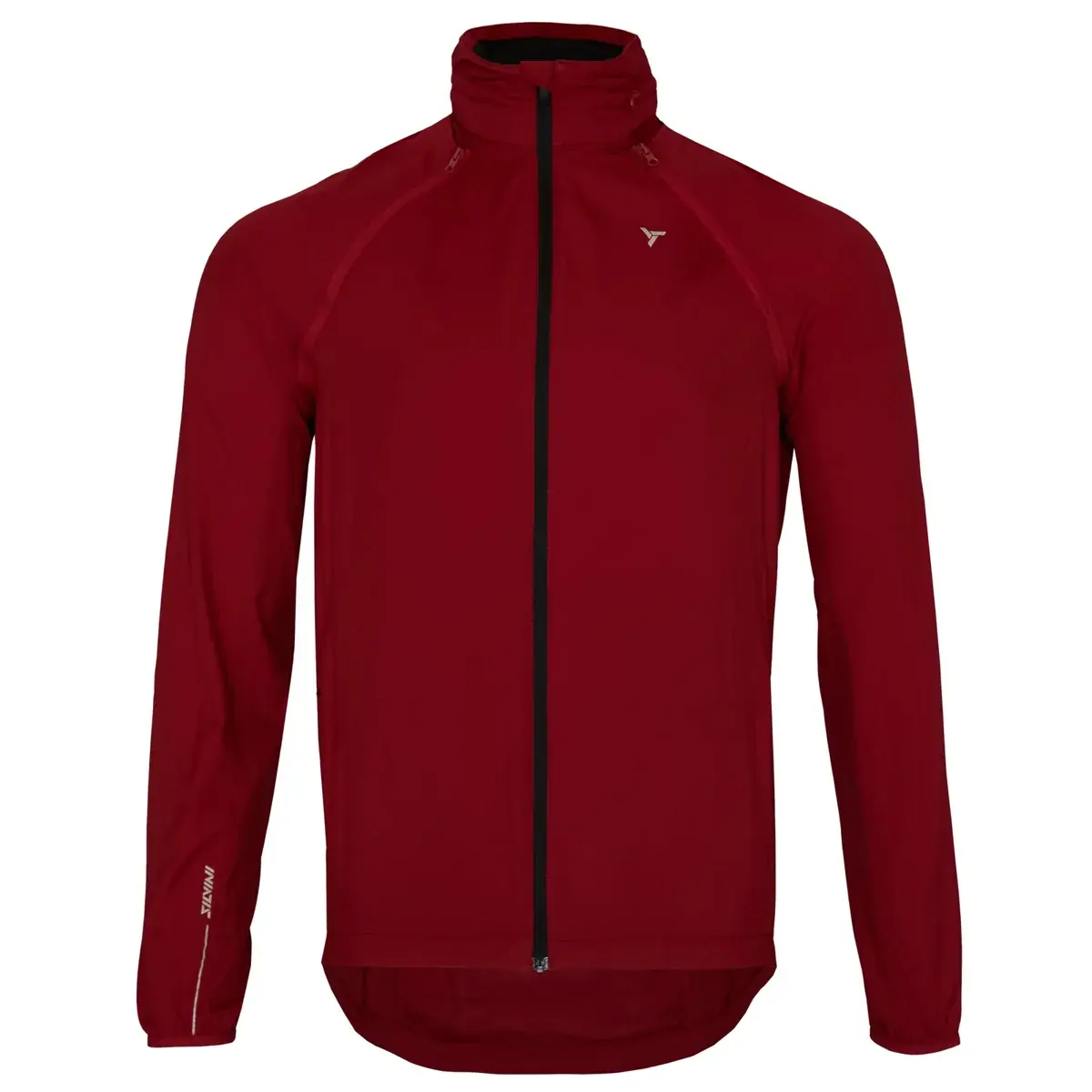
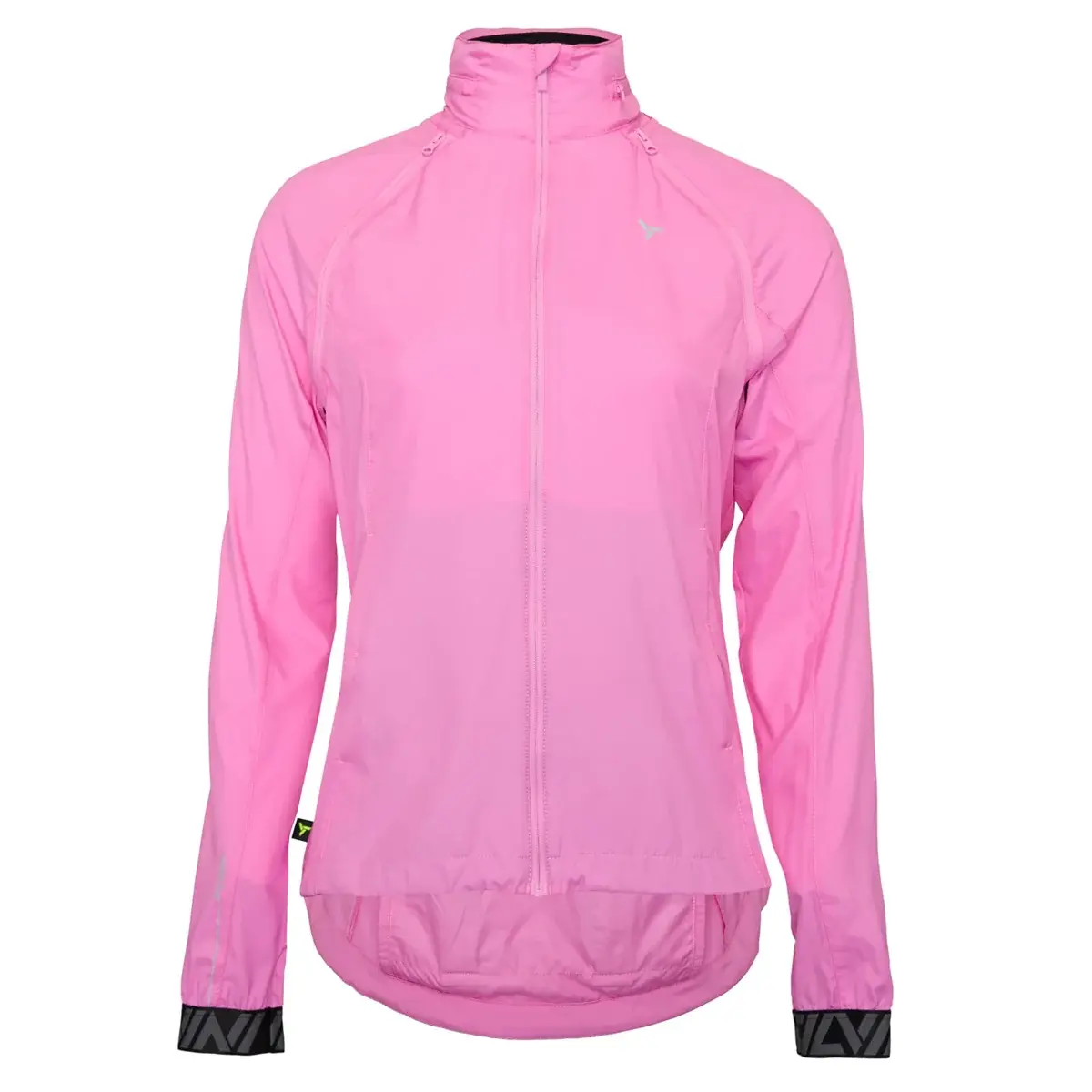
9. Clothing
- outdoor climbing often takes place in various weather conditions, so it is important to have suitable clothing
Tip: For outdoor climbing, choose clothing that is comfortable and does not restrict your movement. Also, keep in mind that it should protect you from the sun and wind.
10. First aid and emergency gear
- in case of an injury or accident, it is always good to have basic first aid gear and emergency supplies with you (e.g. a knife, spare food and water, a torch).
Tip: Check that you have a small first aid kit in your backpack containing bandages, plasters, antiseptics and other basic items.
If you are just learning to climb outdoors, it is good to start with an instructor or an experienced partner who will guide you through basic techniques and safety procedures. Do not be afraid to ask anything; it is primarily about your safety!
Every rock and area has its own specifics (rock types, difficulty, weather), so it is important to familiarise yourself with the local conditions and adapt to them.
With our gear, you will have everything ready for safe and comfortable climbing on natural rock! You can find everything you need in our online shop.
Back to blog