Backpack: a light companion, not a weight
Before you start packing, ask yourself a question: how much do I really need? For a one-day hike or a summer trek for two to three days, a backpack with a volume of 20–35 litres is more than enough. Useless items will not fit in it, and everything important will fit in it comfortably.
When choosing, look for the low weight of the backpack itself (the ideal is around 1 kg), a well-ventilated back system, and comfortable shoulder straps. Having enough pockets also plays a big role, especially on the sides and on the hip belt, for a water bottle, an energy bar, or a mobile phone.
Packing tips
- Put heavier items (like water and food) as close to your back as possible.
- Keep the things you need during the day (a raincoat, a hat, a camera) on top or in quickly accessible pockets.
- Do not overpack! A loosely packed backpack is your best partner: lighter, more airy, faster.
Clothing: layers that breathe with you
In summer, the weather can change faster than the mood in a mountain hut. The key to comfort is technical, quick-drying, and lightweight clothing that will protect you from the heat, wind, and summer showers.
Basic gear
- A t-shirt made of Merino or synthetics: wicks away sweat, dries quickly, does not smell.
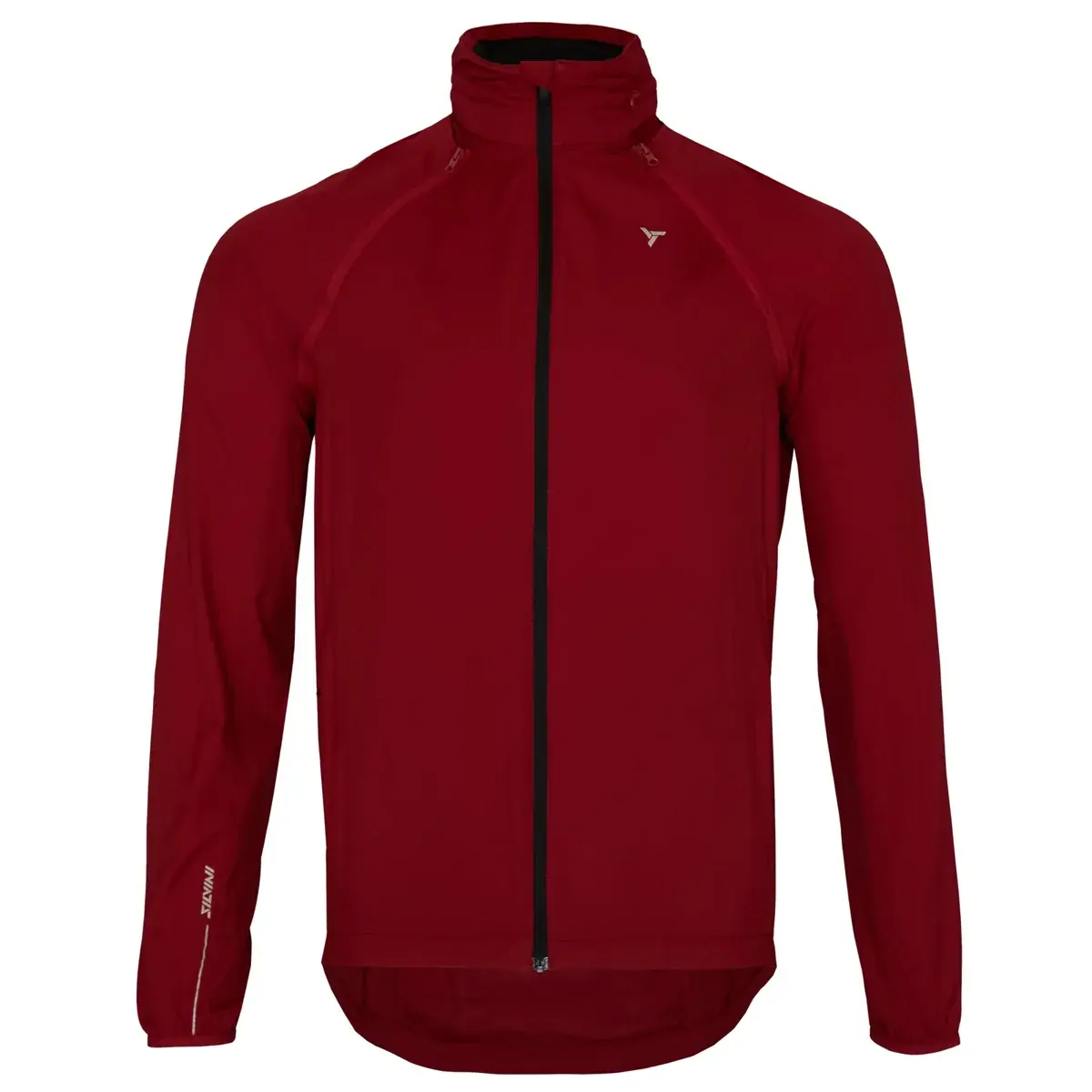
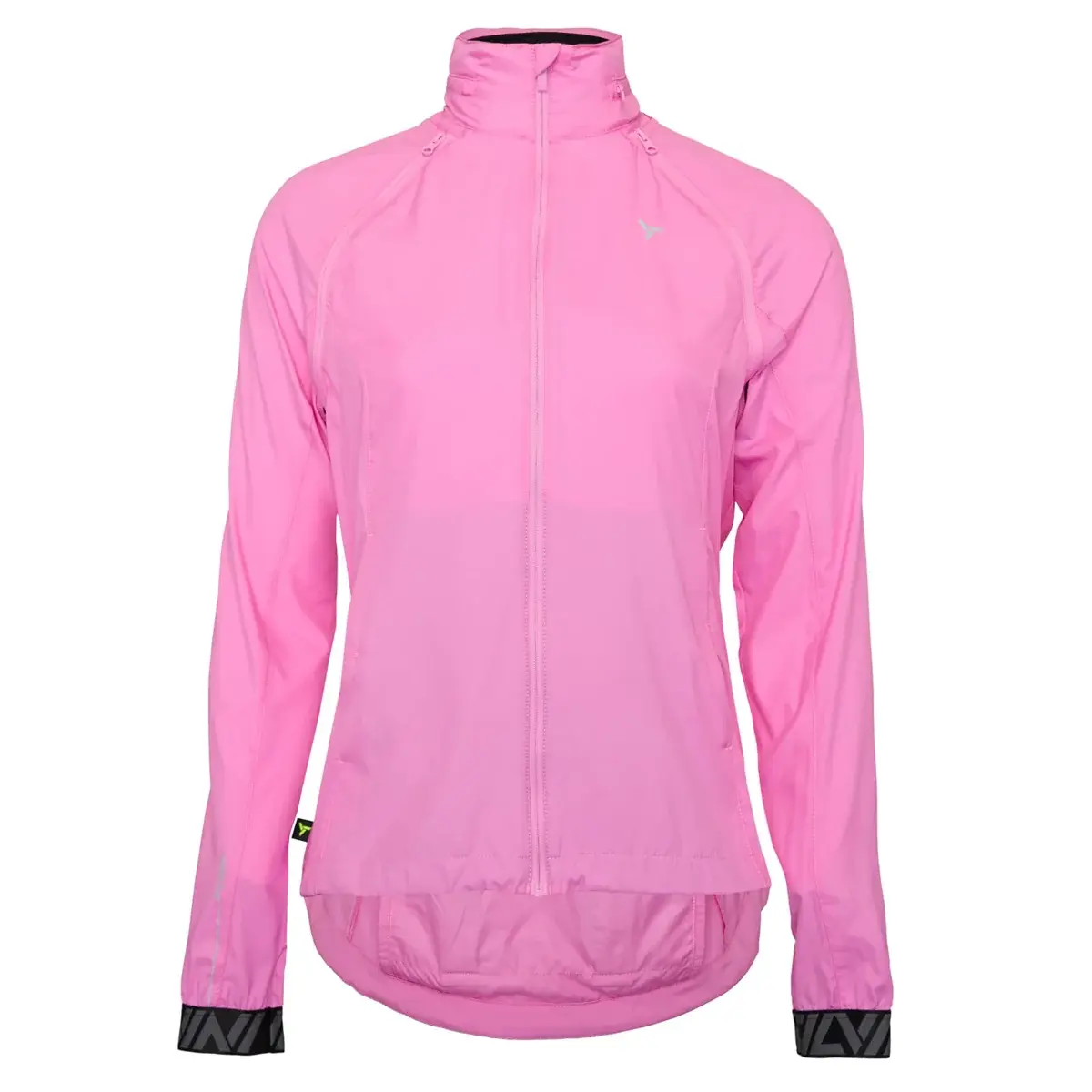
- A light jacket or windbreaker: ideally windproof and at least a bit waterproof.
- Shorts or leggings depending on the terrain and what you feel comfortable in.
- A cap or a hat and sunglasses: sun protection is key.
Forget about cotton. Once it gets damp, it holds moisture and makes you cold. Technical materials, on the other hand, work with you.
Footwear: light and secure on every step
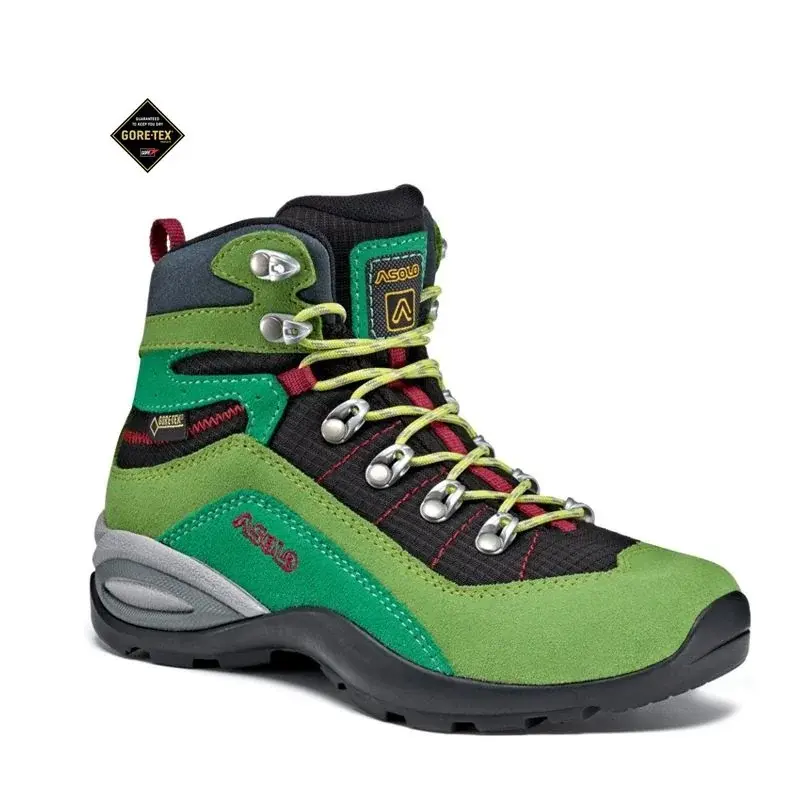
The right footwear is essential. Your feet carry you through the landscape, so they deserve both comfort and security. For summer, we recommend low trekking shoes or trail running models: light, breathable, but with a good sole.
What to look for
- An outsole with grip for various types of terrain (Vibram or similar).
- A breathable upper, your foot must breathe.
- A low profile for freedom and lightness in every step.
Tips from a trail veteran
- Break in your shoes before the hike so that blisters do not bother you.
- Choose technical socks, ideally seamless, made of Merino or synthetics.
- On a hot day, feel free to take a break, take off your shoes, and let your feet air out. They will thank you.
Unexpected situations: a small first aid kit, a big help
Summer may tempt you to pack light, but even in summer, a fall, a sting, overheating, or sunstroke can happen. A small but practical first aid kit in your backpack is the key to preventing a minor problem from becoming a major one.
What a minimalist first aid kit should contain
- Sterile plasters, ideally hydrogel ones for blisters (like Compeed).
- Disinfectant wipes or gel.
- A small sterile bandage.
- Tweezers for ticks and splinters.
- Paracetamol or ibuprofen.
- An antihistamine for allergic reactions (like Zyrtec).
- Tape or sports tape.
- A spare face mask, gloves, and a triangular bandage.
- A card with important contacts.
What if you lose signal or GPS?
In the mountains, a phone signal is not a given, and even modern technology can fail. Therefore, always have a backup plan ready.
Basics of navigation without a signal
- Download an offline map (such as Mapy.cz).
- Carry a paper map and a compass. And learn to read them, at least the basics.
- Observe the terrain and remember prominent landmarks.
- If you get lost, do not walk around chaotically. Stop, assess the situation, and try to find the last known location.
When a storm hits: how to create a shelter
The weather in the mountains changes quickly. When you get caught in a downpour, wind, or a thunderstorm, have a plan.
Emergency shelter
- Seek out a natural shelter from the wind: a rock, dense vegetation, or lower ground (but not a valley bottom in the rain!).
- Carry an emergency tarp, a poncho, or a foil blanket; it can be strung up between trees.
- Do not sit directly on the ground; sit on your backpack or branches.
- During a thunderstorm, do not hide under an isolated tree. Instead, take cover in a forest or sit on your backpack in a crouched position.
Animal encounters: what if I meet a bear or a wolf?
Meeting a wild predator is rare, but possible. It is important to stay calm and respect nature.
General rules
- Do not hike in the mountains at dusk or in the dark; predators are most active then.
- Make noise: talk, sing, whistle. Most animals will avoid you.
If you meet a bear
- Stay calm. Do not run; slowly back away.
- Keep food sealed and do not leave any scraps behind.
- Speak calmly; the animal is usually just checking you out.
If you meet a wolf
- Stand your ground and look at its body, not directly into its eyes.
- Raise your hands to make yourself look bigger. If it approaches, shout and make noise.
- Do not turn your back on it; back away.
Remember that most of these animals do not want to attack you. However, respect and prudence can help you more than any gear.
Lightness does not mean carelessness
When you pack thoughtfully, you walk lightly. But when you pack wisely, you walk safely. You will feel the difference in a storm, in the fog, during an injury, or when your technology fails. Prepare yourself, therefore, not only with a technical t-shirt but also with a calm mind.
And then you can set off. With a backpack that does not hurt, with footwear that supports you, and with the knowledge that whether sun or clouds await you, you have everything ready. Because mountains are not a challenge for a strong body, but for a wise spirit.
When something happens: who to call and what to do
Important phone numbers
- 112: the single European emergency number.
- 999: emergency services in Ireland.
- 1210: Mountain Rescue Service of the Czech Republic (24/7 line).
- In Czechia, download the Záchranka app. Using GPS, it will send your location to rescuers and enable quick communication even where the signal is weak.
First aid in brief
- Calm the situation down. Panic does more harm than a scratch.
- Ensure safety for yourself and others; for example, move the injured person off the path if there is a risk of falling rocks.
- Stop any bleeding, treat the wound, cool the swelling.
- If you do not know what to do, call for help. It is no shame to call; the shame is waiting until it is too late.
- Monitor the weather. A mountain storm can be faster than your legs.
Setting off with lightness and prudence
You need very little for a summer hike: good shoes, technical clothing, a little something to eat, water, a smile, and a bit of humility in your pocket. Still, it pays to remember that mountains are not just a backdrop, but a living world, and we are only guests in it. If we approach every hike with respect, they will reward us not only with views but also with peace of mind.
So step out lightly, but with the knowledge that even the unexpected will not catch you off guard. That is exactly where true outdoor wisdom lies.
Back to blog